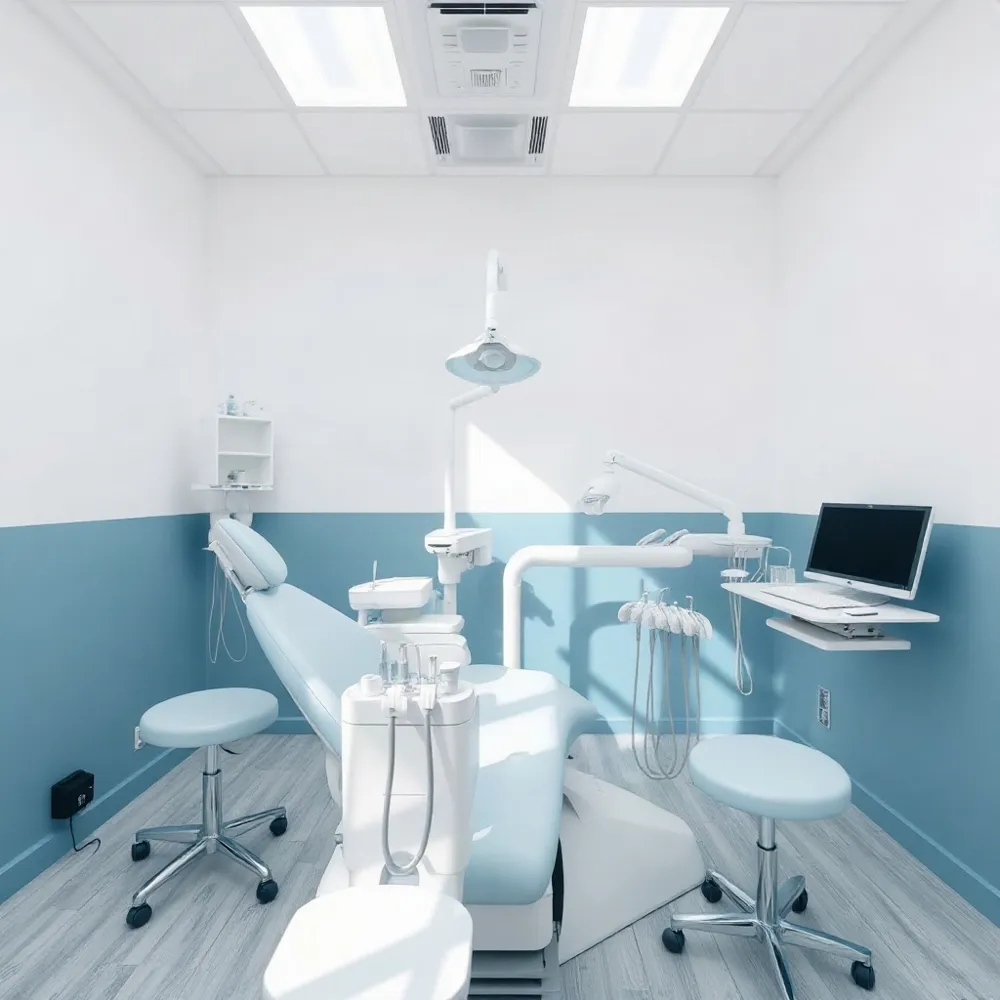
Modernizing the Approach to Restorative Dentistry
Restorative dentistry encompasses a range of clinical procedures focused on repairing or replacing damaged or missing teeth to improve both oral health and functional chewing ability Restorative Dentistry: What It Is, Types & Procedures. Beyond pure function, this field increasingly emphasizes aesthetic symmetry, ensuring that repairs blend naturally into your smile.
The discipline has evolved significantly, shifting from traditional manual techniques toward comprehensive digital systems. Modern practices like ashleyburnsdds.com utilize these precision-driven tools to elevate the quality of patient care. By integrating advanced imaging and CAD/CAM workflows, dental teams can move away from messy, traditional impression materials to highly accurate 3D models.
The primary goal remains unchanged: the preservation and restoration of a healthy mouth. Achieving this requires addressing dental decay and structural damage early to prevent more invasive interventions like extractions or root canal therapy. At ashleyburnsdds.com, professional care relies on these technological advancements to ensure that every restoration is custom-fit for optimal longevity and natural appearance.
Understanding Foundations of Restorative Care and Investment
 Restorative dentistry is a specialized field focused on repairing or replacing teeth that have been damaged, decayed, or lost, with the goal of restoring both proper function and structural integrity Restorative Dentistry: What It Is, Types & Procedures. Common procedures include fillings, crowns, bridges, and dental implants, all of which are designed to improve your ability to eat comfortably and speak clearly. Beyond immediate functional improvements, these treatments act as a vital investment by preventing further deterioration, such as bone loss or the shifting of adjacent teeth. By addressing these issues early, you protect your long-term oral health and reduce the risk of more serious systemic conditions. At ashleyburnsdds.com, we view each procedure as a way to build a lasting foundation for a healthy, confident smile, enhancing both your overall well-being and daily quality of life.
Distinguishing Between Basic and Major Restorative Care
In the field of dentistry, restorative procedures are often categorized based on their complexity and the extent of the oral repair required. Basic restorative treatments typically address minor structural concerns, most commonly involving composite fillings to repair teeth affected by small cavities. In contrast, major restorative treatments are reserved for more extensive damage or the replacement of missing teeth, necessitating more involved clinical protocols. Common examples of major care include the placement of dental crowns, bridges, or dental implants.
While many general clinics prioritize only the most immediate fix, ashleyburnsdds.com takes a comprehensive approach to treatment planning, ensuring that minor repairs are monitored closely to prevent the need for future major interventions. Understanding these clinical distinctions is important for your oral health recovery and can also be helpful when navigating dental insurance benefits, as these categories may carry different levels of coverage depending on your specific plan.
Revolutionizing Patient Comfort Through Digital and Laser Innovation
 Patients often feel anxious about dental procedures due to past negative experiences, fear of discomfort, or uncertainty regarding the treatment process, which can lead to a cycle of avoidance. Modern dentistry addresses these concerns by replacing traditional, often intimidating methods with advanced technology like digital 3D scanners, lasers, and AI-driven diagnostics that prioritize precision and patient comfort. By offering clearer visualizations of treatment plans, dentists can demystify procedures, which effectively reduces the fear of the unknown.
At ashleyburnsdds.com, we utilize digital intraoral scanners to replace traditional, messy impression materials with a faster and more accurate process. Unlike conventional putty methods that often trigger a gag reflex, these high-tech systems provide a comfortable experience while capturing precise 3D models of your dental anatomy.
Minimally Invasive Alternatives to Traditional Drilling
The evolution of digital dentistry has introduced tools like air abrasion and precision lasers as alternatives to the standard dental drill. Air abrasion acts as a gentle, quiet option for preparing surfaces, effectively reducing the noise associated with traditional treatment. Similarly, laser dentistry serves as a minimally invasive tool for procedures ranging from cavity preparation to soft tissue surgery, often lessening the necessity for local anesthesia and accelerating post-procedure recovery times. These technologies shift the focus from invasive mechanical approaches to precise, light-based care that preserves more of your natural, healthy tooth structure.
Harnessing Artificial Intelligence and Digital Workflows
 Modern dentistry is being transformed by digital workflows and artificial intelligence, which act as powerful tools to sharpen the accuracy of diagnostics and treatment planning. As noted in Digital dentistry: innovation for restorative treatment, transitioning from traditional manual methods to integrated digital systems allows practices like ashleyburnsdds.com to provide a significantly higher standard of precision and patient care.
These advancements assist clinicians by analyzing complex dental images and patient data to support early detection and personalized health strategies. Integrating CAD/CAM technology into our restorative process at ashleyburnsdds.com ensures that every crown, bridge, or veneer is designed and fabricated with exacting detail, reducing the margin for error common in traditional laboratory outsourcing. By replacing messy, physical impressions with intra-oral scanners, we eliminate patient discomfort while securing the accurate 3D models necessary for long-term success.
Digital workflows extend beyond mere fabrication by serving as a visual aid for patient education. When patients can see a potential aesthetic outcome through digital smile design, they participate more confidently in their own treatment planning. While these innovative tools increase office efficiency and patient convenience, they function best as supplements to clinical judgment. The focus remains on leveraging technology to deliver predictable, high-quality results that support the structural integrity and longevity of every patient's smile.
Advanced Materials and the Future of Regenerative Dentistry
Modern restorative dentistry is shifting toward advanced materials that actively interact with the oral environment. Smart biomaterials are now engineered to detect physiological stimuli such as pH levels and mechanical stress, providing antimicrobial protection and self-healing capabilities that conventional resins lack. These intelligent systems help reduce the risk of secondary decay by releasing therapeutic agents specifically where needed.
Strength and aesthetics remain prioritized through high-performance ceramics. IPS e.max porcelain offers exceptional biocompatibility for natural-looking results, while zirconia crowns provide superior resistance against the daily wear of chewing. Unlike older metal-based options that may cause sensitivities, these modern ceramics integrate smoothly with surrounding tissues.
Looking ahead, regenerative dentistry represents the frontier of clinical treatment. By leveraging stem cells and tissue engineering, researchers are working to stimulate the regrowth of bone and gum tissue rather than simply replacing lost structures. While many of these techniques remain in development, this evolution signals a future where dental solutions can restore natural anatomy rather than relying exclusively on prosthetic devices.
Essential Maintenance and Managing Temporary Discomfort
Once a dental restoration is placed, its longevity depends heavily on your daily hygiene habits and consistent professional monitoring. At ashleyburnsdds.com, we emphasize that standard procedures like restorative dentistry require ongoing care to protect the tooth structure and maintain the integrity of the material used. Regular check-ups permit clinicians to inspect for micro-gaps or signs of wear, catching potential issues before they escalate into more invasive treatments.
What is the importance of the 3-3-3 rule for oral health?
In the context of dental care, the 3-3-3 rule is a short-term strategy used to manage temporary tooth pain while awaiting professional treatment. It generally involves taking 600 mg of ibuprofen three times a day for no more than three days to reduce inflammation and ease discomfort caused by dental issues. While this method can help manage symptoms, it is crucial to recognize that it is not a cure and does not address the underlying cause of your dental pain. You should always consult with a medical professional before taking medication to ensure it is safe for your specific health needs. Ultimately, a dental exam is the only way to diagnose and resolve the issue, so please contact our office as soon as possible if you are experiencing persistent discomfort.
When you notice that a restoration feels uncomfortable or produces an unusual taste, these are often warning signs of post-procedure maintenance needs. Whether you have implant-supported dentures or a standard crown, proactive communication with your dental team ensures structural stability and preserves the health of the surrounding gums.
Prioritizing Your Long-Term Oral Health
Modern restorative dentistry has integrated advanced digital tools to transform how we approach oral care. By utilizing precision diagnostics and durable new materials, practitioners now offer solutions that focus on patient comfort and long-term functionality rather than just temporary repairs. At ashleyburnsdds.com, we embrace these innovations to move beyond traditional manual techniques, ensuring your treatment plan is both accurate and personalized.
Choosing professional oversight over quick fixes remains essential to protecting your smile. Early intervention prevents minor issues from escalating into complex, invasive procedures. Whether you require a routine filling or a sophisticated implant-supported denture, modern technology provides a stable foundation for a healthy life. We invite you to schedule a consultation at ashleyburnsdds.com to discuss how these digital workflows can support your specific health goals.