Prevention Before Problems Grow
Preventive dental care is a practical way to support healthy teeth and gums over time. Routine examinations and professional cleanings give a dental team a chance to check for changes, remove hardened buildup, and discuss habits that protect your oral health. At Ashley E. Burns, DDS, patient-centered care includes helping patients understand their needs and the options available to them.
Some concerns, including early tooth decay and gum disease, may develop without noticeable symptoms. Waiting until a tooth hurts can mean a problem has had more time to progress. Regular visits can help identify concerns earlier, when treatment may be simpler, and the team at Ashley E. Burns, DDS can tailor recommendations to each patient’s oral health.
Prevention is not a guarantee that future treatment or costs can be avoided. It is a way to monitor oral health, address issues when they are found, and make informed decisions before a concern becomes more involved.
What Preventive Care Includes
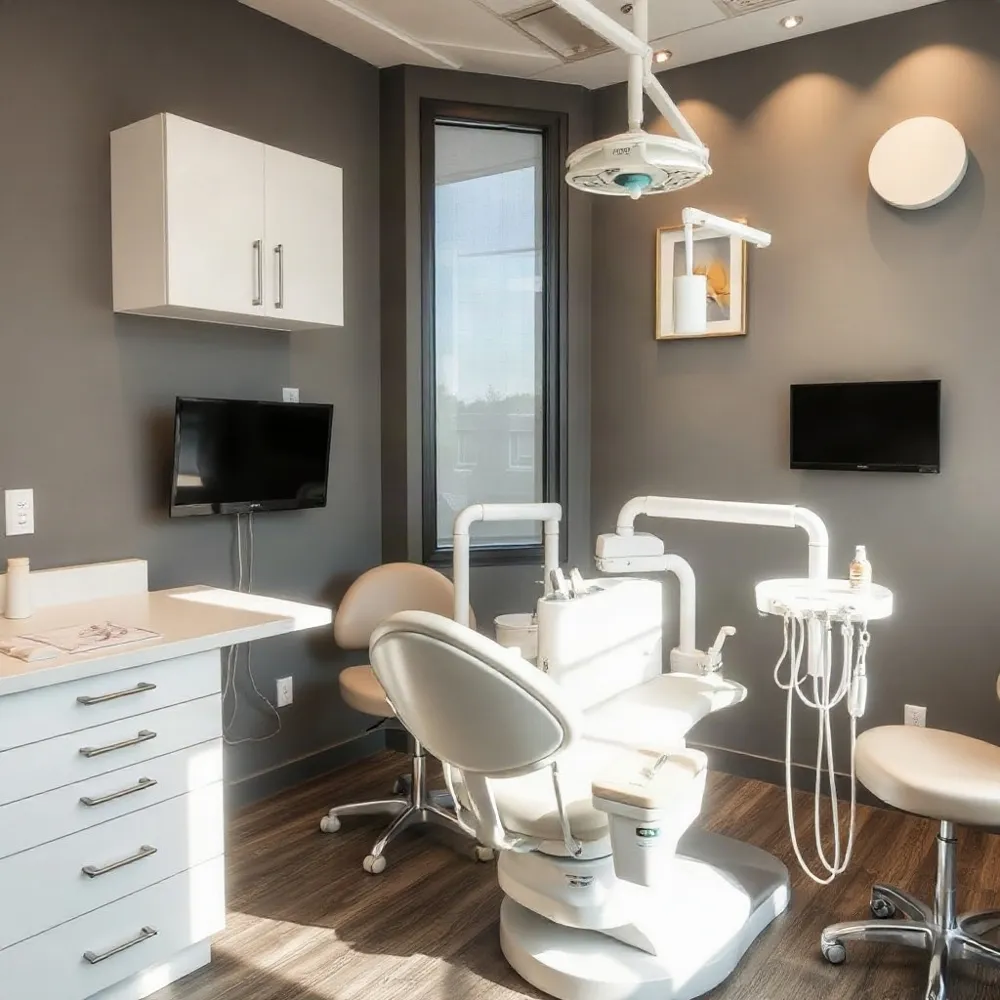 Preventive care is more than a quick look at the teeth. A visit commonly includes an examination, a professional cleaning, and X-rays when the dentist recommends them. At Ashley E. Burns, DDS in Midland, the team’s comprehensive dental care provides a setting to review oral health needs and discuss appropriate next steps.
During an exam, the dentist assesses the teeth and gums for signs of decay, gum changes, or other concerns. X-rays can help reveal problems in areas that are difficult to see during a visual examination, but they are not automatically needed at every appointment. The dentist considers a patient’s history and needs when deciding whether imaging is appropriate. Cleveland Clinic’s overview of dental checkups describes examinations and imaging as part of care selected for the individual.
A professional cleaning removes plaque and hardened tartar that brushing and flossing may not fully clear. The visit is also a chance to discuss home-care habits, such as brushing and cleaning between teeth, and to ask about concerns. For more about common services, see this guide to what preventive care includes.
Additional services, including fluoride treatment or sealants, may be considered according to age, oral health, and risk of decay. They are not a standard requirement for every patient at every visit. At Ashley E. Burns, DDS, recommendations should reflect the findings of the examination and the patient’s needs, rather than a fixed checklist of services. This helps keep the conversation focused on care that is appropriate for that person.
Personalizing Visit Timing and Cleanings
 Many people are advised to schedule an exam and professional cleaning about every six months, but that is a starting point, not a rule for everyone. The right interval depends on your oral health, dental history, and risk of future problems. The American Dental Association’s home-care guidance notes that visit timing can be tailored to a person’s needs.
Your dentist may suggest more frequent visits if you have active gum disease, frequent cavities, certain medical conditions, or dental restorations that need monitoring. Home-care habits and how quickly plaque or tartar builds up can also shape the schedule. If your teeth and gums remain healthy, your dental team can assess whether a different interval is appropriate. Follow that advice even when nothing hurts, since early changes may not cause noticeable symptoms.
A professional cleaning usually starts with an assessment of the teeth and gums. The dental team checks for buildup, inflammation, and other concerns, then removes plaque and hardened tartar with hand instruments or an ultrasonic scaler. Cleveland Clinic describes scaling as a central part of a cleaning, followed by polishing to remove remaining germs and buildup (what happens during a dental cleaning).
After scaling, the hygienist polishes the teeth with a brush and paste, cleans between them with floss, and rinses away debris. X-rays may be recommended when they can help assess areas that are not visible during an exam. Fluoride may also be offered when it suits your needs. These steps are considered individually rather than automatically included at every visit.
A routine cleaning is intended for generally healthy teeth and gums. If gum disease is present, a more involved cleaning may be recommended to remove deposits below the gumline. At Ashley E. Burns, DDS in Midland, dental care is patient-centered, so sharing concerns about sensitivity or anxiety helps the team consider your comfort during the visit.
How Cleaning and Fluoride Protect Teeth
 A professional cleaning removes plaque and hardened tartar from tooth surfaces and places that brushing and flossing may miss. This can lower the risk of decay, but cleaning does not replace daily home care. At Ashley E. Burns, DDS, preventive visits are part of a broader approach that pairs professional care with guidance patients can use between appointments.
Can professional dental cleanings help prevent cavities?
Yes. Exams give the dental team a chance to spot early signs of decay, which may be simpler to address than a problem that has progressed. A cleaning also supports gum health by removing buildup that can contribute to disease. The Cleveland Clinic’s overview of dental cleanings explains how professional cleaning and examination can help lower the risk of cavities and gum disease. For more on how cleaning complements home care, see professional plaque and tartar removal.
What is fluoride’s role in preventive dental care?
Fluoride strengthens enamel and helps it resist acid attacks. It can also support the repair of early mineral loss before a cavity forms. Fluoride toothpaste is a common part of home care, while an in-office treatment may be recommended when a patient’s cavity risk and oral health make it appropriate. The American Dental Association’s home-care guidance describes fluoride toothpaste as part of daily cavity prevention.
Sealants are another option: a dentist may recommend a protective coating for the grooves of certain teeth, often when those surfaces are at risk of trapping food and bacteria. They are not necessary for everyone. Ashley E. Burns, DDS can discuss whether fluoride, sealants, or other measures fit a patient’s needs, rather than treating one preventive plan as right for all.
Comfort and Individualized Care
Professional dental cleanings are generally safe and help remove plaque and tartar that home care may leave behind. Most people feel little discomfort, though mild sensitivity or temporary gum soreness can occur. The Cleveland Clinic’s overview of dental cleanings notes that these effects usually settle within a few days.
Sensitivity may be more noticeable when gums are inflamed, teeth are already sensitive, or there is significant buildup. Let the dental team know what you are feeling before or during the cleaning. They can adjust their technique, pause for a break, or discuss other ways to make the visit more comfortable.
Communication helps the team tailor care to each person rather than assume one approach works for everyone. Patients who feel nervous about dental visits can mention that, too, so the team can discuss comfort options and agree on a pace that feels manageable.
At Ashley E. Burns, DDS, patient-centered care includes listening to individual concerns and adapting the visit accordingly. Sharing feedback during an appointment can help the dental team respond promptly and support a more comfortable experience.
Understanding Costs and Insurance
How much does preventive dental care cost?
The cost of preventive dental care varies by practice, location, insurance, and the services included. A routine visit may cover an exam and cleaning, while X-rays or other services may be recommended separately and affect the total. For a clearer picture of what fees can include, see this guide to understanding fees and estimates.
Before an appointment, ask the dental office what the visit includes and what any estimate covers. Then confirm your benefits with your insurer, including whether the dentist is in network and whether a deductible or frequency limit applies. Ashley E. Burns, DDS provides comprehensive care in Midland, but your plan determines how covered services are paid.
What does dental insurance typically cover as preventive care, and is it always covered at 100%?
Plans commonly classify exams and cleanings as preventive care. Some also cover screenings, X-rays, fluoride, or sealants, but eligibility and coverage limits differ. Even when a plan advertises full coverage, its terms may limit how often a service is covered, require a deductible, or affect payment based on network status. Check your benefit documents or call the insurer before care so you can ask about likely out-of-pocket costs.
Coverage can also shape how you budget for care. Compare the annual premium with the expected cost of exams, cleanings, and recommended imaging if you paid directly. Consider covered visit frequency, network restrictions, and protection for treatment beyond prevention, including coinsurance and the annual maximum. An estimate from the dental office can help clarify expected fees, but the insurer makes the final coverage decision.
Is dental insurance worth considering if you mainly need preventive care?
The answer depends on your needs, local fees, and plan terms. A 2019 report on Guardian claims found lower later claim costs among people who used preventive benefits, but the findings are not a promise of individual savings or a guarantee that insurance will cost less than paying directly. The Guardian claims analysis offers context for weighing prevention, while your own decision should account for premiums and possible treatment needs.
Daily Habits Between Appointments
A consistent home routine helps manage plaque between visits. The American Dental Association recommends brushing twice a day for two minutes with fluoride toothpaste, using a soft-bristled toothbrush and gentle strokes along tooth surfaces and the gumline. Its home oral care guidance also recommends cleaning between teeth daily.
Use floss or another interdental cleaner you can handle comfortably and regularly. Drinking water, particularly after meals, can help rinse away food, while limiting sugary snacks and drinks reduces exposure to sugars that contribute to tooth decay. Your dentist can suggest products or techniques that fit your oral health needs.
Daily care complements professional examinations and cleanings, but it cannot remove hardened tartar or replace an assessment by a dental professional. At Ashley E. Burns, DDS in Midland, home-care advice can be discussed as part of preventive care tailored to your teeth and gums. For more guidance on brushing technique, see essential brushing techniques for optimal oral health.
Make Prevention Part of Your Plan
Examinations, professional cleanings, personalized advice, and daily oral care each play a part in supporting a healthy smile. Together, they help your dental team monitor changes and respond to concerns before they may call for more extensive treatment.
Preventive care cannot guarantee that problems will not arise, and treatment needs and costs vary from person to person. At Ashley E. Burns, DDS, patient-centered care provides an opportunity to discuss your oral health and the services recommended for you.
At your next appointment, ask a dental professional about visit timing, recommended services, comfort needs, and insurance questions. A clear plan can help you make informed choices about care in the office and at home.