More Than a Quick Look
A routine dental visit is more than a search for cavities. It gives the dental team a chance to assess your teeth, gums, and other parts of your mouth, notice changes, and discuss ways to protect your oral health. At Ashley E. Burns, DDS, care is centered on the patient, with comprehensive services shaped around individual needs.
The checks and services included can vary. Your medical and dental history, current symptoms, and oral-health needs help guide what the team examines and whether additional steps, such as imaging or follow-up care, may be appropriate. Knowing what to expect can make it easier to share concerns and take an active role in your care.
What The Exam Assesses
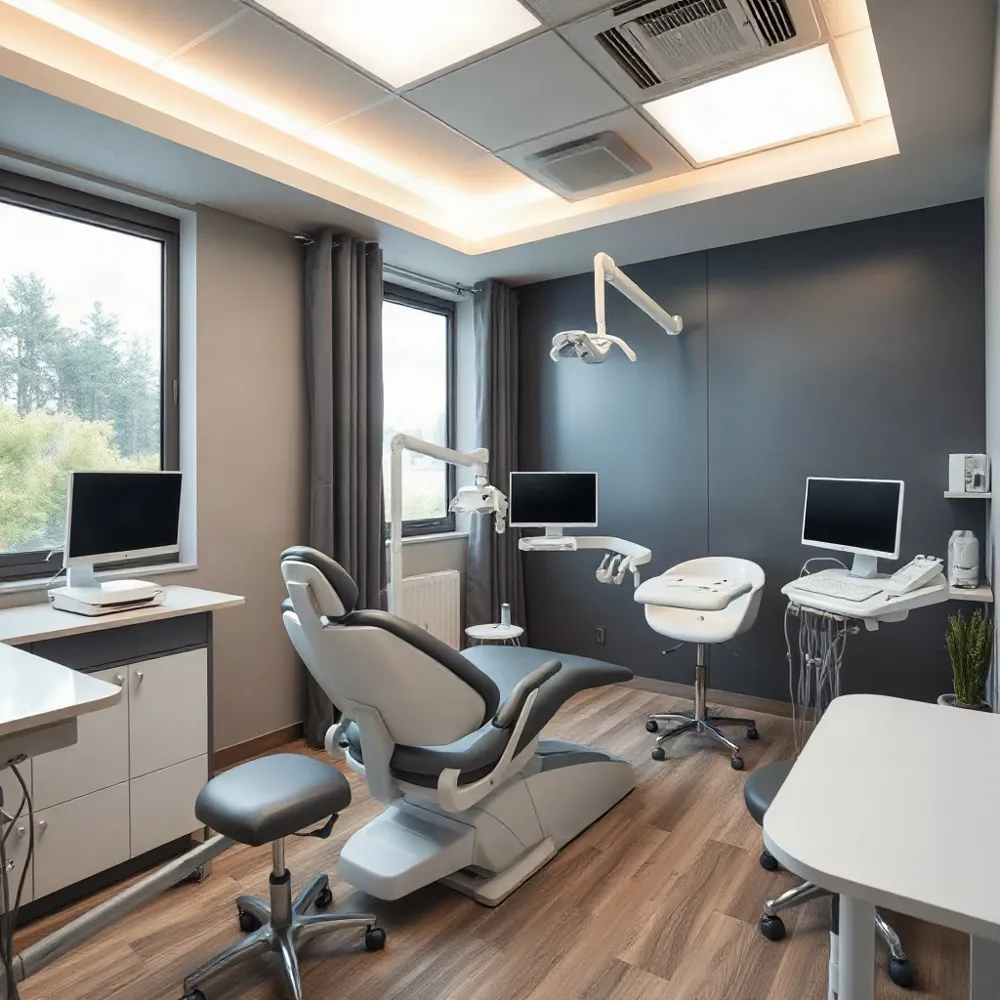 A routine dental exam is a preventive assessment of your teeth, gums, bite, jaw, and other oral tissues. At Ashley E. Burns, DDS, the exam helps the dental team identify concerns and explain whether follow-up care is appropriate.
The dentist checks for cavities, gum disease, damaged teeth, and changes in the mouth. They may also assess how your teeth meet and how your jaw moves. X-rays can be recommended when needed to check areas that are not visible during a visual examination, rather than being taken automatically at every visit.
An oral cancer screening may include looking over the lips, tongue, cheeks, and other mouth tissues, as well as examining or gently feeling areas around the jaw and neck. The MSD Manual’s dental evaluation guidance describes how a thorough oral assessment can include both visual checks and examination by touch.
Changes in the mouth can sometimes offer useful clues about overall health, so sharing relevant health history and symptoms helps the dentist interpret findings. A dental exam does not diagnose conditions outside the dentist’s scope, but the dentist can explain what they notice and recommend appropriate follow-up. For a broader overview of what a routine dental exam may include, see the visit’s common steps.
The Visit From Start To Finish
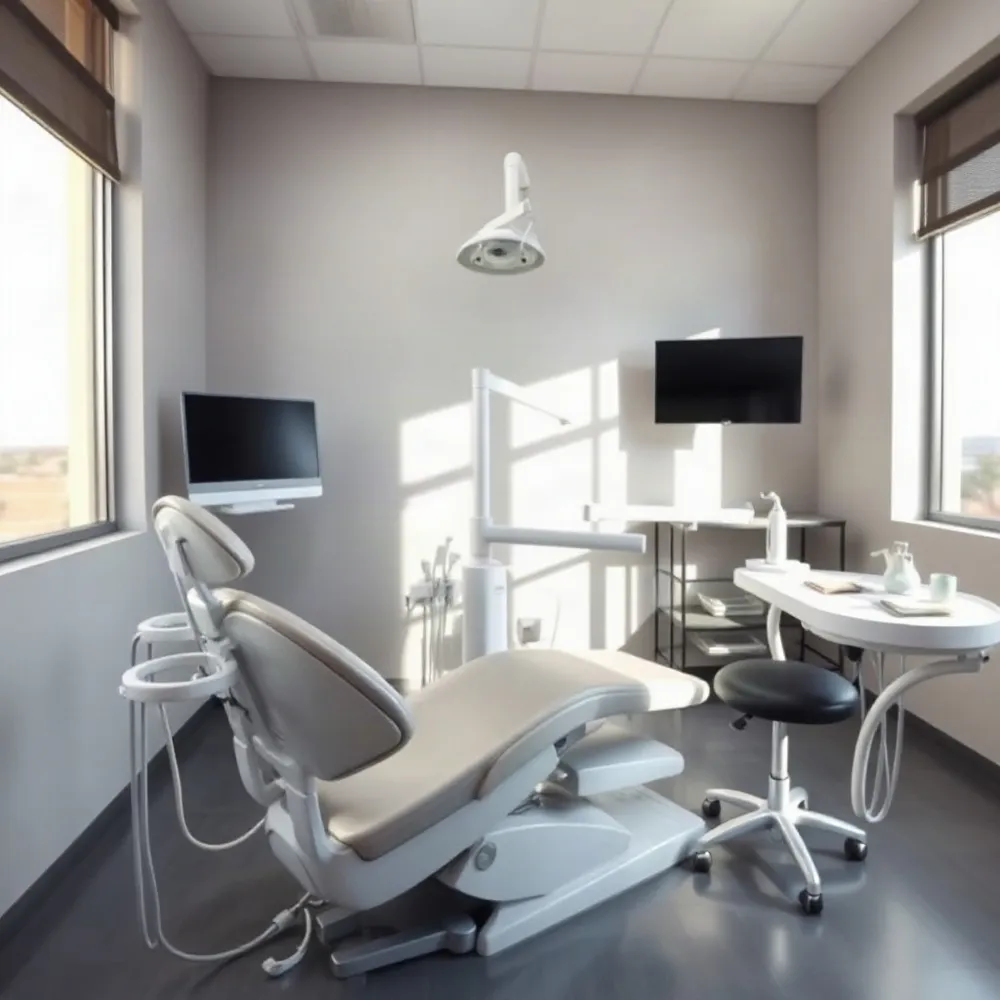 A routine appointment often begins with a conversation about your medical and dental history, current medications, symptoms, and any changes since your last visit. Mentioning concerns such as bleeding, sensitivity, or a change in your bite helps the dental team interpret what they see and plan care in light of your health.
The examination may include checking teeth for damage or decay, looking at the gums and soft tissues, assessing how your teeth meet, and checking jaw movement. Gum measurements may be taken when appropriate. A dentist may also examine the lips, neck, and mouth for signs that need further attention. The NHS overview of a dental appointment describes common checks and explains that X-rays are recommended when needed, rather than automatically at every visit.
Imaging choices depend on your history, symptoms, and clinical findings. The MSD Manual’s guide to dental evaluation notes that X-rays are selected according to individual needs. Your dentist can explain why an image may help and what it can show.
At Ashley E. Burns, DDS, patient-centered care includes discussing your concerns as part of the visit. After the examination, ask about anything that is unclear and what follow-up, if any, is recommended. If you feel anxious, let the dental professional know; you can ask for a pause or break. For more detail on the first dental visit, see what new patients may experience.
How Cleaning Fits In
An exam and a cleaning serve different purposes. The exam evaluates teeth, gums, bite, and other oral tissues for concerns such as decay or gum disease. A cleaning is a preventive treatment that removes plaque and hardened deposits called tartar.
During a professional cleaning, a dental professional removes deposits from tooth surfaces and around the gumline, often with hand instruments or an ultrasonic scaler. The visit may also include polishing and flossing. Brushing and flossing at home help control plaque, but they cannot remove tartar once it has hardened.
Many routine visits include both an examination and a cleaning, but an exam does not automatically include one. Services depend on the appointment and the patient’s needs, so ask the dental team what is planned. At Ashley E. Burns, DDS, the practice’s patient education on routine dental exams explains the examination separately from cleaning.
The timing of visits should reflect oral health and risk, rather than follow a fixed schedule for everyone. Six-month checkups are common general guidance, while people with higher risk or symptoms may need earlier or more frequent care, as described in the MSD Manual’s dental evaluation guidance. Ask whether your next visit is for an exam, a cleaning, or both.
Health Checks And Patient Safety
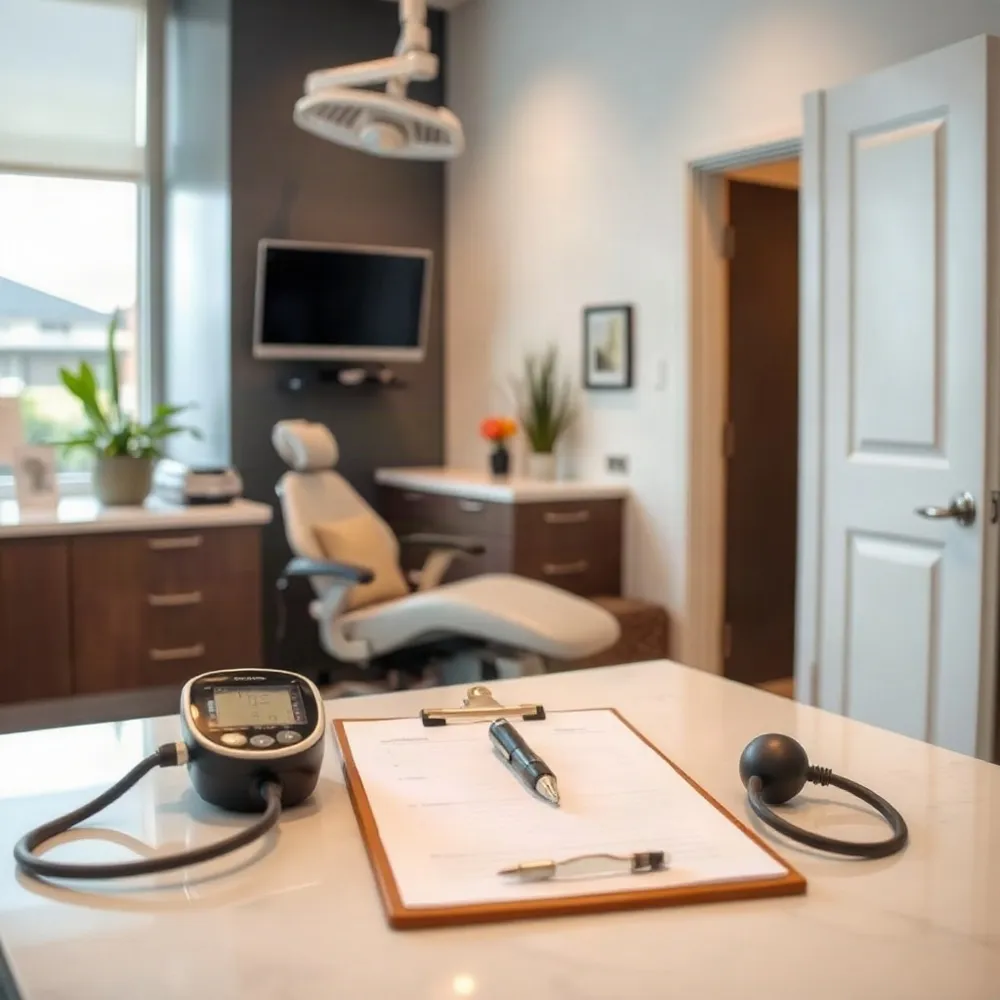 Before treatment, the dental team may review your medical history and check vital signs such as blood pressure. At Ashley E. Burns, DDS, this health information helps the team consider your overall wellbeing when planning dental care. You can also mention new diagnoses, medicines, or changes in how you feel.
A blood pressure check can flag a possible concern even if you feel well and have no known diagnosis. High blood pressure often causes no noticeable symptoms, so a reading at a dental visit may prompt a conversation about medical follow-up. The dental team does not diagnose or manage hypertension, but can advise you to contact a physician when a reading warrants attention. Dental guidance on blood pressure screening explains why screening can be useful during routine care.
That guidance recommends physician referral as soon as possible, or urgent medical evaluation, when systolic pressure is above 180 mmHg and/or diastolic pressure is above 100 mmHg. These thresholds are not a substitute for clinical judgment: readings should be taken accurately and interpreted in context. If your dental team raises a concern, follow its advice and seek medical guidance.
Oral and general health can be connected. Gum disease and hypertension are both associated with increased heart-disease risk, though that does not mean one condition alone explains another. Sharing relevant health changes and following up with a medical professional when advised helps the dental team provide care with safety in mind.
Understanding Fees And Estimates
How much does a dental exam and cleaning cost without insurance? A routine cleaning may cost roughly $75 to $200, with the exam sometimes billed separately. Your total depends on the practice, location, and services needed, such as X-rays or additional evaluations.
A deep cleaning to treat gum disease is a different service from a routine cleaning and may cost an estimated $150 to $350 per quadrant. The exact recommendation and fee depend on the findings and treatment plan.
These figures are general estimates, not a quote or a statement of Ashley E. Burns, DDS's current fees. For current self-pay pricing, contact the office and ask what the visit includes and whether payment options are available. Learn more about understanding dental fees and insurance.
Know What To Expect
A routine dental visit brings together an assessment, preventive care, and a conversation about next steps. Which checks or services are appropriate depends on your health history and what the dental team finds; dental evaluations are tailored to individual needs.
At Ashley E. Burns, DDS, patient-centered care means sharing relevant changes in your health, medications, or symptoms so the team can consider them during your visit. You can also ask what your appointment includes and why a particular check or service is recommended.
If the exam leads to a recommendation, ask what it involves, what alternatives may be appropriate, and whether follow-up is needed. The NHS guide to dental visits also describes discussing findings and treatment options with the dental professional.