Why Prevention Matters
Preventive dental care combines regular professional visits with everyday habits such as brushing and cleaning between teeth. Together, these steps help keep teeth and gums healthy and give a dental team opportunities to notice changes before they become more difficult to address. A routine exam can include an assessment of the teeth and mouth, cleaning, and X-rays when appropriate, as described by MedlinePlus.
Tooth decay and gum disease may develop without pain or other obvious signs, so feeling well does not always mean nothing is changing. Early attention can help patients and dentists consider appropriate next steps while a concern is still small. Regular visits also give patients a chance to ask questions and discuss any changes they have noticed.
This guide explains what dental teams may look for, what to expect during preventive visits, and how daily care can support oral health between appointments. At Ashley E. Burns, DDS in Midland, preventive care is part of a practice offering comprehensive dental services and patient-centered care. The right approach and visit schedule depend on individual needs, so patients can discuss them with their dental team.
What Preventive Visits Include
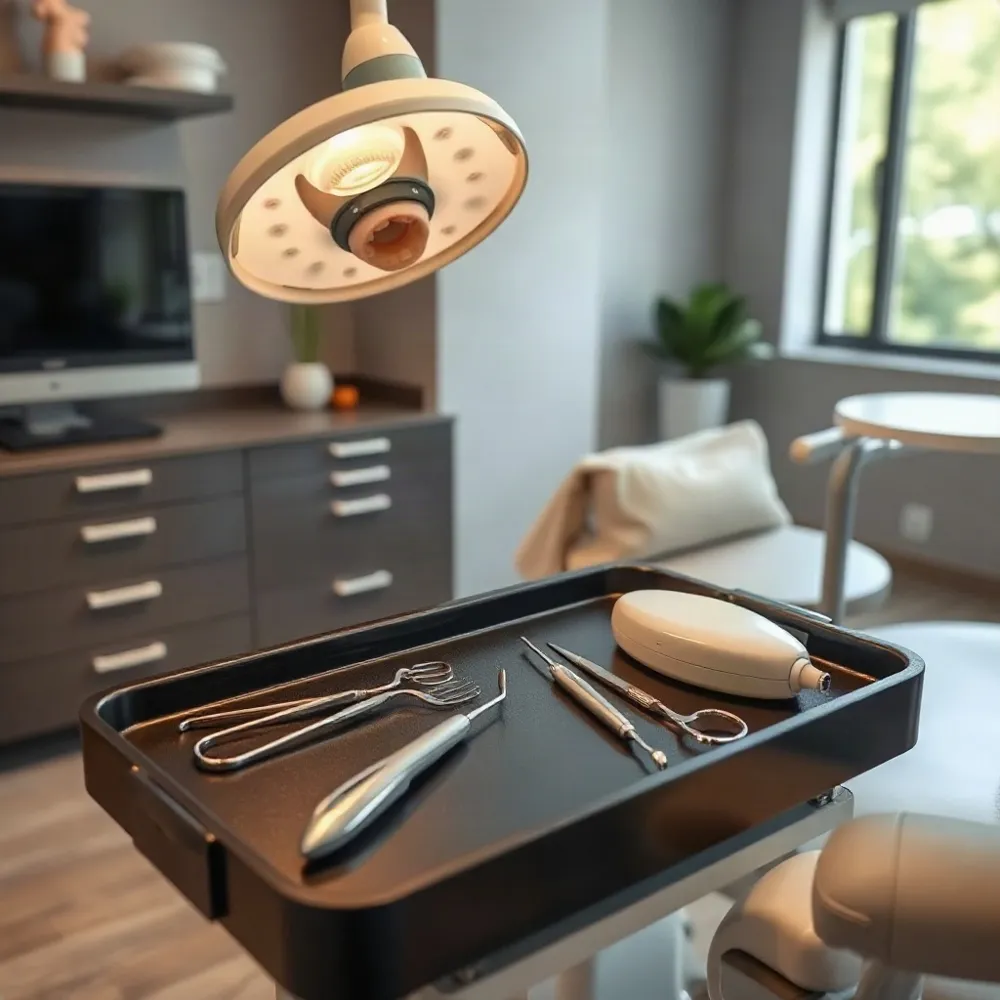 A preventive appointment often combines an examination, a professional cleaning, and X-rays when they are appropriate. Together, these services help assess oral health, remove buildup, and identify concerns that may not yet cause symptoms.
What services are typically included in preventive dental care?
During an exam, the dentist checks the teeth and gums, assesses how the upper and lower teeth fit together, and looks at other mouth tissues for changes. X-rays can show areas that are difficult to assess by sight alone, such as decay between teeth or changes in the jawbone. The need and timing for X-rays depend on a patient’s oral health, so they are not necessarily taken at every visit. MedlinePlus explains what a dental exam may include.
A cleaning has a different purpose. A hygienist commonly removes plaque and hardened tartar through scaling, then polishes and flosses the teeth. Brushing and flossing at home help control plaque, while professional scaling removes hardened deposits that routine brushing cannot.
The dental team may review medical history, discuss brushing and cleaning between teeth, and suggest fluoride or sealants when appropriate, especially for children or people at higher risk of cavities. At Ashley E. Burns, DDS in Midland, preventive care can include this kind of patient education as part of a comprehensive dental visit.
What happens during a dental exam, and how is it different from a cleaning?
The exam helps the dentist evaluate and plan care; the cleaning removes buildup from the teeth. They are often provided during the same appointment, but each serves a distinct role. Home care remains part of prevention between visits: the American Dental Association’s home-care guidance recommends regular brushing and cleaning between teeth, with methods tailored to individual needs.
The exact services and visit schedule vary with a patient’s needs. A dentist can explain why a particular service is recommended and how it fits into an individual care plan.
Early Clues And Oral Cancer Screening
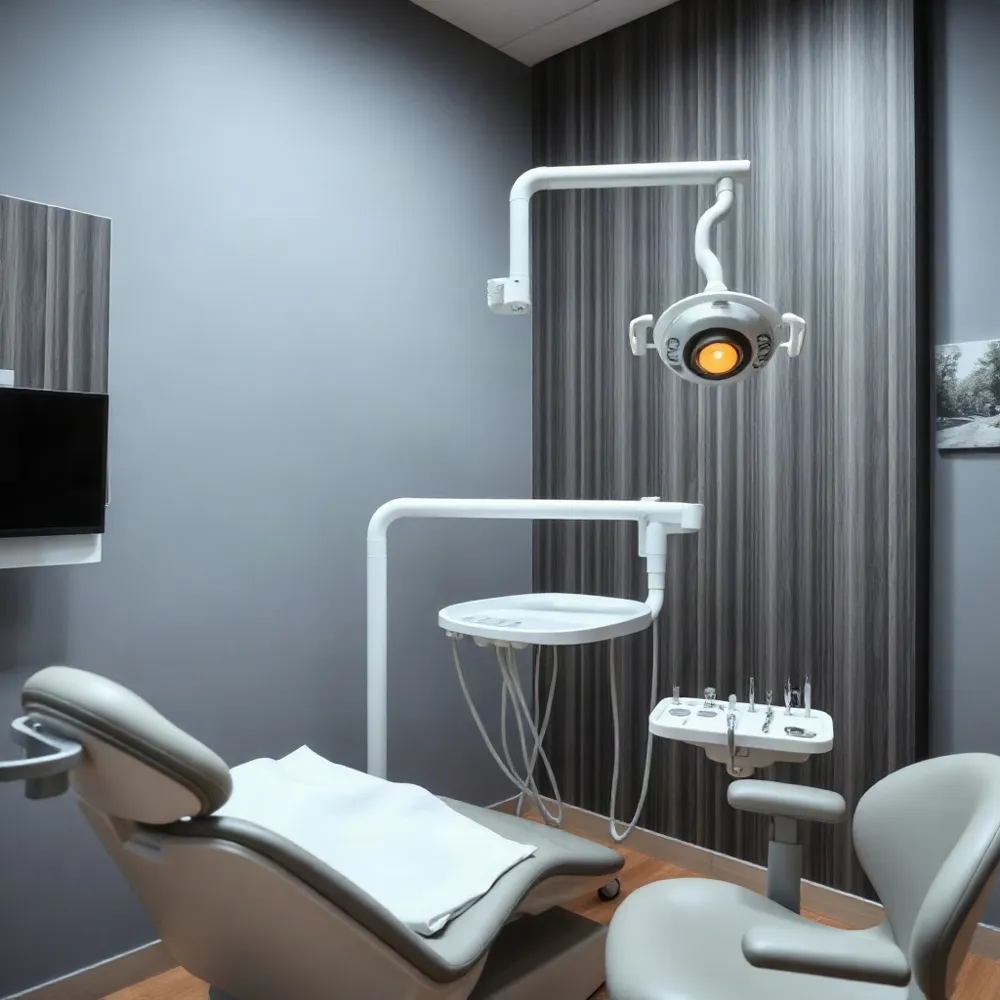 A tooth can develop early decay, gum inflammation, a small crack, or a bite concern without causing pain. During a routine examination, a dentist can look for changes that may be hard to spot at home. Finding a concern early may allow simpler care, although the right response depends on the specific finding.
For patients at Ashley E. Burns, DDS in Midland, preventive examinations provide an opportunity to discuss changes and decide whether they need attention. A dentist may assess the teeth, gums, bite, and soft tissues, and recommend further evaluation when something warrants a closer look.
Can a dentist detect signs of oral cancer during a routine exam?
An oral cancer screening may be part of a routine exam. The dentist may look at and feel the lips, tongue, and other tissues in the mouth; the face and neck may also be checked. This examination can identify changes that need follow-up, but it cannot confirm cancer or find every cancer. A concerning area may lead to further testing or referral. MedlinePlus explains what a dental exam may include.
Research has found an association between less frequent dental visits and diagnosis at a higher stage among people with oral and pharyngeal cancer. The observational study does not show that visits prevent cancer or guarantee early detection, but it supports the value of using appointments to check for changes. Read the study.
What symptoms or changes in the gums and mouth may warrant an oral cancer evaluation?
Contact a dental or medical professional about a sore that does not heal, a persistent red or white patch, an unusual lump or thickened area, unexplained bleeding, or ongoing discomfort. Difficulty chewing, swallowing, speaking, or moving the jaw also deserves attention, particularly if it persists or worsens. These signs can have causes other than cancer, so an examination is needed to assess them rather than assume a diagnosis. The ADA's oral hygiene guidance also emphasizes seeking care for oral concerns.
Ashley E. Burns, DDS offers comprehensive dental care in Midland, where patients can raise new or persistent symptoms during an examination and discuss whether further assessment is appropriate. Do not wait for a scheduled visit if a concerning change is worsening.
Personalized Timing And Home Care
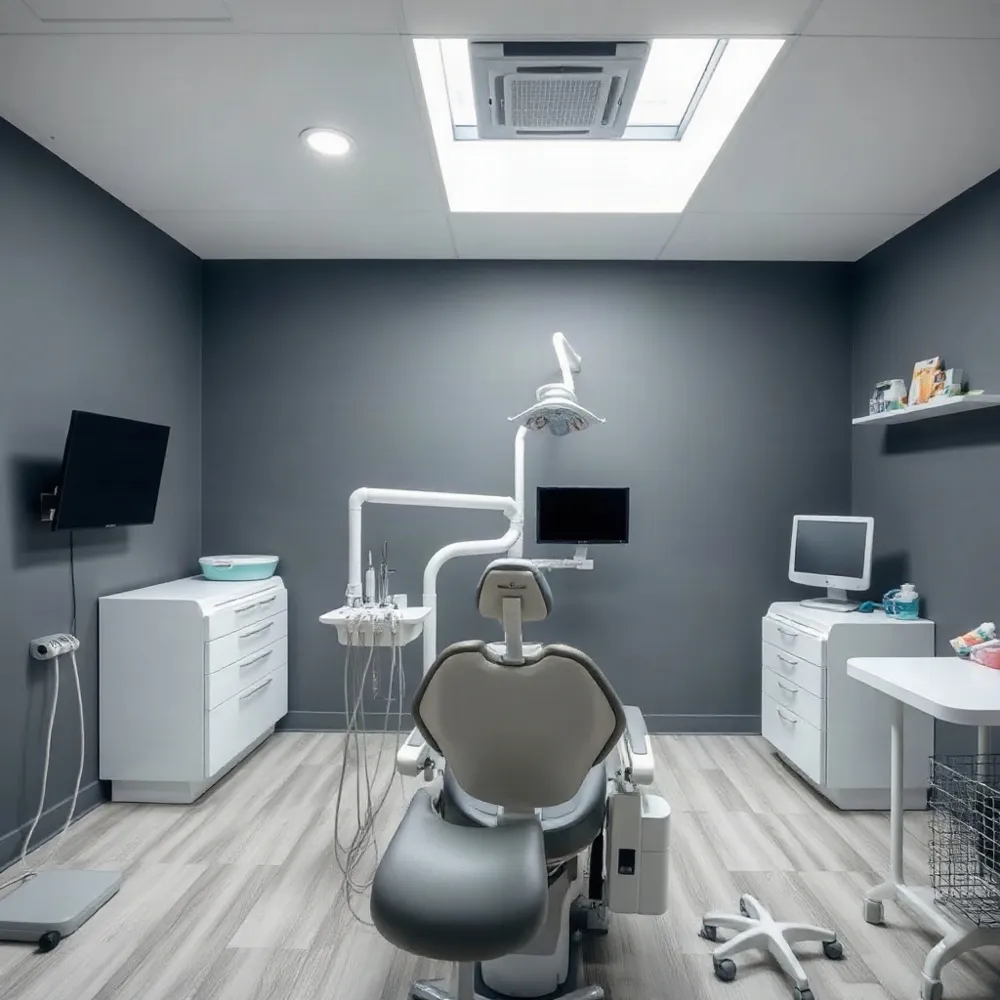 A regular schedule helps your dental team track changes, but the right timing is not identical for everyone. Many adults and children have exams and cleanings about every six months; oral health, medical history, and risks such as gum disease or frequent cavities can call for a different interval. MedlinePlus explains that visit frequency should reflect individual needs.
How often should you have dental exams and cleanings?
Use six months as a common starting point, not a rule that overrides your dentist’s advice. If you have a history of cavities, gum concerns, or a health condition that affects your mouth, ask whether you should return sooner or follow another schedule. The team at Ashley E. Burns, DDS in Midland can consider your oral health and medical history when discussing timing. For more on individualized intervals, see personalized visit timing and financial planning.
What does the 3-3-3 rule for dental care mean, and is it evidence-based?
The “3-3-3 rule” is an informal phrase with no universally accepted definition or status as an official dental guideline. The American Dental Association’s general home-care advice is to brush twice daily for two minutes with fluoride toothpaste and clean between teeth daily. Floss is one option; interdental brushes or other suitable tools may work better for some people. The ADA notes that dental professionals can help patients choose a method they can use consistently and improve their technique through tailored advice in its home oral care guidance.
Brushing harder or more often is not automatically better, and forceful brushing may irritate gums. A practical routine, done gently and regularly, is more useful than an informal rule that does not fit your needs. Ask your dental team to demonstrate a technique or suggest a tool if cleaning between teeth feels difficult.
Mouth Findings And Overall Health
Changes in the mouth can sometimes reflect health issues beyond the teeth. During an exam, a dentist may notice unusual sores, gum inflammation, or dry mouth and ask whether anything has changed in your health or medication. These observations can help guide a conversation, but they do not replace a medical assessment.
Can a dentist notice signs of a health condition elsewhere in the body?
Some oral changes may be associated with conditions such as diabetes or nutritional problems, but they are nonspecific and can have several causes. A dentist may suggest that you follow up with a physician or another healthcare professional rather than draw a diagnosis from an oral finding alone. Sharing relevant health details helps the dental team interpret what they see. For more on how oral changes may relate to general health, see mouth findings and overall health.
What medical conditions may require clearance before dental treatment?
Medical consultation may be appropriate when a condition, medication, or planned procedure could affect treatment safety or healing. Depending on the circumstances, this might involve significant heart or lung concerns, diabetes that is not well controlled, kidney or liver disease, cancer treatment, pregnancy, or medicines that affect bleeding or immunity. These are examples for discussion, not a universal clearance checklist. The need depends on your health and the care planned. MedlinePlus guidance on dental exams notes that some patients with particular health conditions may need specific precautions.
At Ashley E. Burns, DDS in Midland, an up-to-date medical history gives the dental team context for planning care. Tell them about your medications, allergies, recent diagnoses, and new symptoms, even if they seem unrelated to your mouth. The team can then decide whether coordination with another healthcare provider is appropriate.
Understanding Preventive Coverage
Dental insurance often treats preventive care differently from treatment for an existing problem. Plans commonly help pay for routine exams and cleanings, while coverage for X-rays, fluoride treatments, and sealants depends on the policy. A routine dental exam may include X-rays only when they are appropriate, and their timing can vary by patient.
Preventive dental insurance generally focuses on services intended to monitor oral health and reduce disease risk. Comprehensive dental plans may include those benefits alongside coverage for restorative treatment, such as fillings or crowns. These treatments address existing damage, and their costs may be handled differently from exams and cleanings.
The details matter: deductibles, coinsurance, waiting periods, network requirements, annual maximums, and service or visit limits vary by plan. Even when a service is listed as preventive, the plan may restrict how often it is covered or what portion it pays.
Before scheduling care, review your benefit summary or contact your insurer to confirm eligibility, frequency limits, and possible out-of-pocket costs. Patients at Ashley E. Burns, DDS in Midland can also discuss their planned care and insurance questions with the practice team. For more on what preventive benefits may include, see preventive dental care coverage.
Nutrition And Healthy Teeth
A balanced diet supports the tissues of the mouth, alongside daily brushing and cleaning between teeth. Vitamins A, C, and D each play a role in oral health, but most people can aim to get them through food rather than assuming they need supplements.
Vitamin A supports soft tissues and saliva, vitamin C helps maintain gum tissue and supports healing, and vitamin D helps the body use calcium for teeth and bones. A varied diet can include sources of these nutrients. For more on food choices that support oral health, see nutrition and healthy teeth.
Limiting sugary foods and drinks can help reduce the conditions that contribute to tooth decay. Brushing twice a day with fluoride toothpaste and cleaning between teeth daily remain central home-care steps, as outlined in the ADA’s home oral care guidance.
If you have a health condition, follow a restricted diet, or are considering supplements, discuss your needs with a dentist or healthcare professional. At Ashley E. Burns, DDS, patients can raise nutrition questions as part of preventive care and receive guidance suited to their oral-health needs.
Make Prevention Part Of Your Routine
Routine dental visits give your dental team a chance to notice concerns before they cause obvious symptoms. An exam is not a guarantee that every problem will be found, but it can support timely evaluation and care. The National Library of Medicine’s overview of dental exams explains how examinations can identify issues and guide home-care advice.
Follow the visit schedule recommended for your needs, and keep up with daily brushing and cleaning between teeth. The American Dental Association’s home-care guidance notes that a dental professional can help tailor these habits to your oral health.
If you notice a persistent change, or have questions about your health history or insurance, bring them to your dental team. At Ashley E. Burns, DDS in Midland, patient-centered care includes discussing your needs and helping you understand your options. A conversation can make it easier to plan care that feels appropriate for you.