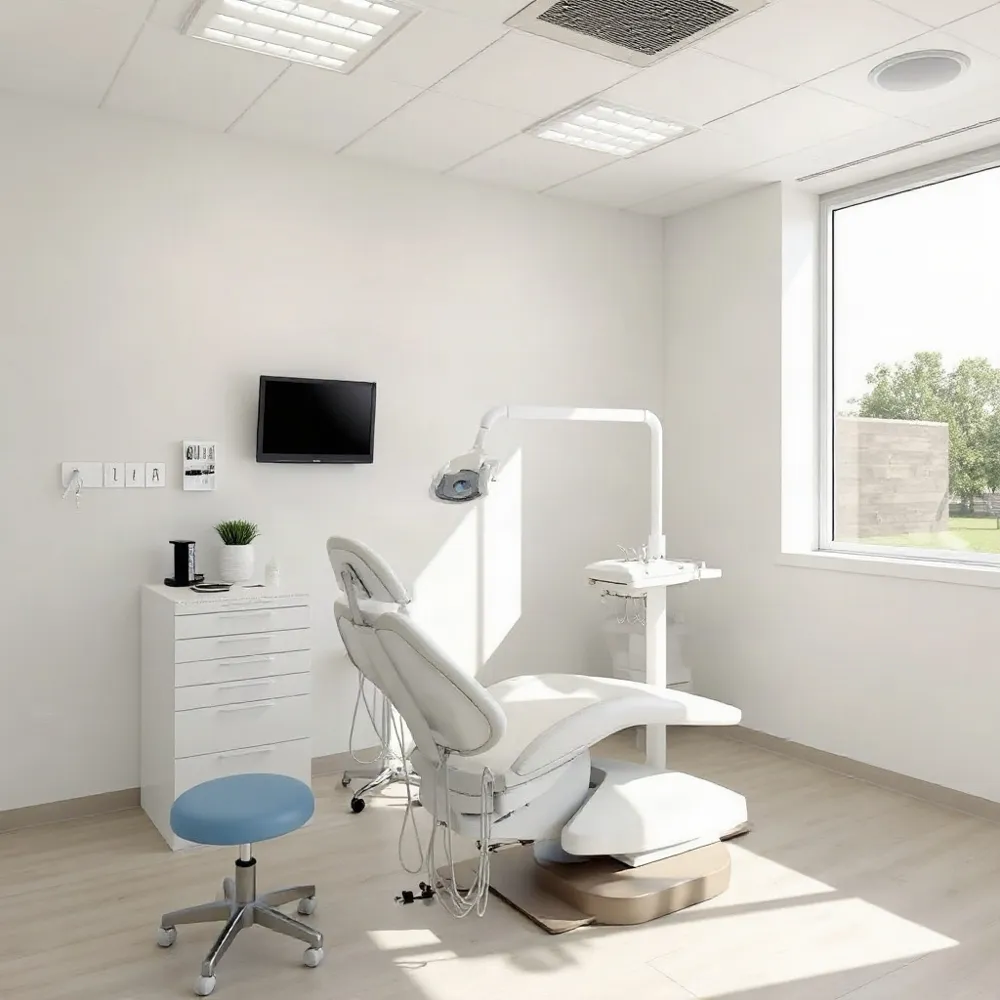
Prevention Starts With Small Steps
Preventive dental care is a partnership between the habits you practice at home and the care you receive at dental visits. Brushing with fluoride toothpaste and cleaning between teeth help limit plaque, while professional cleanings remove hardened buildup that home care cannot. Exams can also reveal concerns before they cause noticeable symptoms, and X-rays may be recommended when a dentist needs to check areas that are not visible during a visual exam. MedlinePlus explains what a dental exam can include.
Fluoride supports enamel by helping replace minerals lost to acid. Whether a professional fluoride treatment is appropriate depends on a person’s cavity risk and overall fluoride exposure, so it is worth discussing with a dental professional. At Ashley E. Burns, DDS, preventive care includes exams, cleanings, fluoride, sealants, and digital X-rays, with recommendations guided by each patient’s needs.
There is no single visit schedule that suits everyone. A history of cavities, gum disease, dry mouth, certain health conditions, and medicines can affect how often someone may benefit from care. A dentist can review these factors and adjust the plan over time, making prevention a practical part of ongoing oral health rather than a one-size-fits-all routine.
What Preventive Dental Care Includes
 Preventive care brings together dental visits and practical guidance for caring for your teeth at home. At ashleyburnsdds.com, prevention can include exams, professional cleanings, and advice tailored to a patient's needs, rather than relying on the same routine for everyone. You can read more about what preventive dental care includes.
During a cleaning, a dental professional removes plaque and hardened tartar that brushing and flossing may leave behind. An exam checks the teeth and gums and may include an assessment of the bite and soft tissues. The dental team can also offer guidance on brushing, flossing, and daily habits that support oral health. MedlinePlus describes what a dental exam may include.
X-rays may be recommended when clinically appropriate to look for concerns that are not visible during a visual exam. The dentist can decide whether imaging is needed based on the patient's oral health and history.
Some patients may also benefit from fluoride treatment or dental sealants. Fluoride can help strengthen enamel, while sealants cover the grooves on back teeth where food and bacteria can collect. Age and cavity risk help guide whether these measures are appropriate.
The right combination of services and the timing of visits depend on a person's oral health, risk factors, and changing needs. A dentist can review those factors and recommend a prevention plan, including whether additional protection or closer monitoring is warranted.
What Happens During Exams
A routine dental visit often starts with a conversation about your health history, medications, and any changes or concerns involving your teeth and gums. Sharing details such as new sensitivity, dry mouth, or a recent change in medication can help the dental team understand what to look for.
A hygienist may clean your teeth by removing plaque and hardened tartar, then offer guidance on brushing or cleaning between teeth. The dentist examines your teeth and gums and may assess your bite and the soft tissues of your mouth. X-rays may be recommended when appropriate to check areas that a visual examination cannot show. The exact steps depend on your needs, as outlined in this guide to what happens during a routine dental exam.
An examination can reveal signs of decay, gum inflammation, worn or damaged teeth, and changes in the way your teeth fit together. The dentist may also look at the tongue, cheeks, lips, and other oral tissues for sores, unusual patches, or lesions that may need monitoring. MedlinePlus explains what a dental exam may include, including an oral cancer check and X-rays when indicated.
An oral examination can identify changes that deserve attention, but it cannot diagnose cancer or every underlying health condition by itself. If a finding needs closer assessment, the dentist may recommend follow-up testing or referral to a specialist. At Ashley E. Burns, DDS, patient-centered treatment planning includes recommendations tailored to a person’s history, needs, and cavity risk, rather than relying on a one-size-fits-all approach. Patients can review how dentists customize treatment plans to learn more.
Cleanings And Personalized Visit Timing
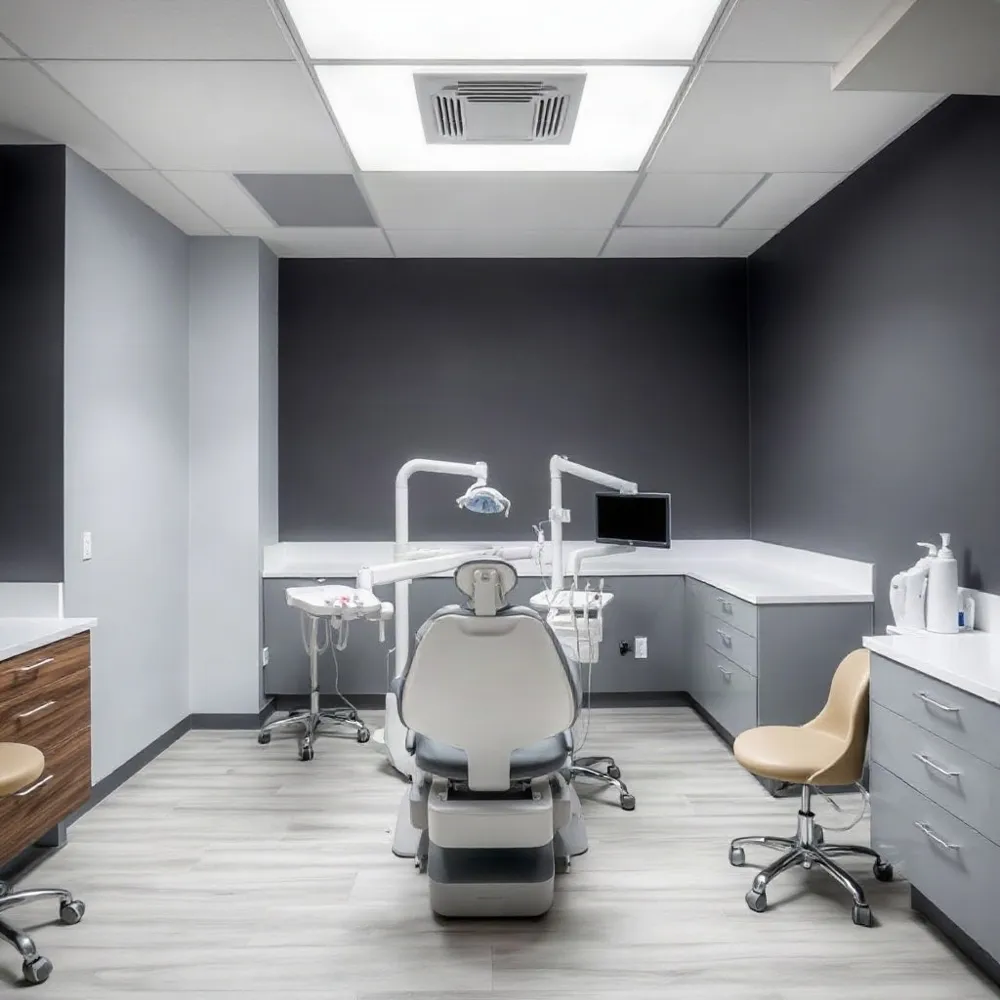 An exam and a cleaning serve different purposes, even when they happen during the same appointment. The exam evaluates your teeth, gums, and overall oral health; the cleaning removes plaque and hardened tartar that brushing and flossing may leave behind. Many practices combine both, but it is worth confirming what your appointment includes.
Does a dental exam include a cleaning?
Not necessarily. During a cleaning, a dental professional scales the teeth to remove buildup, then polishes them and may floss. Fluoride application or advice about brushing and cleaning between teeth may also be appropriate. MedlinePlus explains what a dental cleaning involves. If you are booking an appointment, ask whether it includes both an exam and a cleaning. For more about how the procedures fit together, see how cleaning fits into a routine visit.
How often should you have a professional dental cleaning?
Every six months is a common schedule, but it is not right for everyone. Timing depends on factors such as gum health, cavity history, tartar buildup, home-care habits, and general health. Gum disease, frequent cavities, dry mouth, or certain health conditions may call for more frequent visits. Some people with consistently healthy teeth and gums may need a different interval. Current UK guidance, for example, advises dental teams to assess risk at recall visits and set intervals according to individual needs, rather than apply one schedule to everyone (guidance for dental teams).
At Ashley E. Burns, DDS, patient-centered treatment planning includes tailoring recommendations to a person’s health and cavity risk, rather than assuming everyone needs the same schedule. Ask your dentist or hygienist what interval fits your needs, and keep up with daily brushing and cleaning between teeth.
Can professional teeth cleaning have disadvantages?
Cleaning is generally safe, though teeth may feel sensitive and gums may be tender or bleed slightly, especially when gums are inflamed or buildup is substantial. Tell the dental team if discomfort is significant or does not improve. A deeper cleaning for gum disease reaches below the gumline and may cause more sensitivity; your clinician can discuss comfort options, including numbing, when appropriate.
How Fluoride Helps Protect Teeth
When bacteria in the mouth break down sugars, they produce acids that draw minerals from tooth enamel. Fluoride helps replace some of those lost minerals and makes enamel more resistant to further acid damage, supporting the balance between mineral loss and repair. The CDC’s explanation of fluoride describes how this process helps protect teeth.
This repair process, called remineralization, can strengthen areas of early mineral loss before a cavity forms. Fluoride may also slow the progression of early decay. It supports prevention, but it cannot repair a cavity that has already formed, so a dental professional should assess any suspected damage.
Fluoride toothpaste and fluoridated drinking water are common sources of ongoing exposure. Professional options, such as varnish or higher-strength gels, may be appropriate for some patients, including those with greater cavity risk. The review of fluoride’s role in cavity prevention notes that fluoride methods differ in strength and use, so combining products should take total exposure into account.
At Ashley E. Burns, DDS in Midland, preventive recommendations can be tailored to a patient’s oral health and needs. A dental professional can consider cavity history, current habits, and fluoride from water and home-care products before discussing whether an additional treatment is useful. For more on how fluoride supports enamel, see how fluoride helps protect teeth.
Professional Fluoride Treatment And Safety
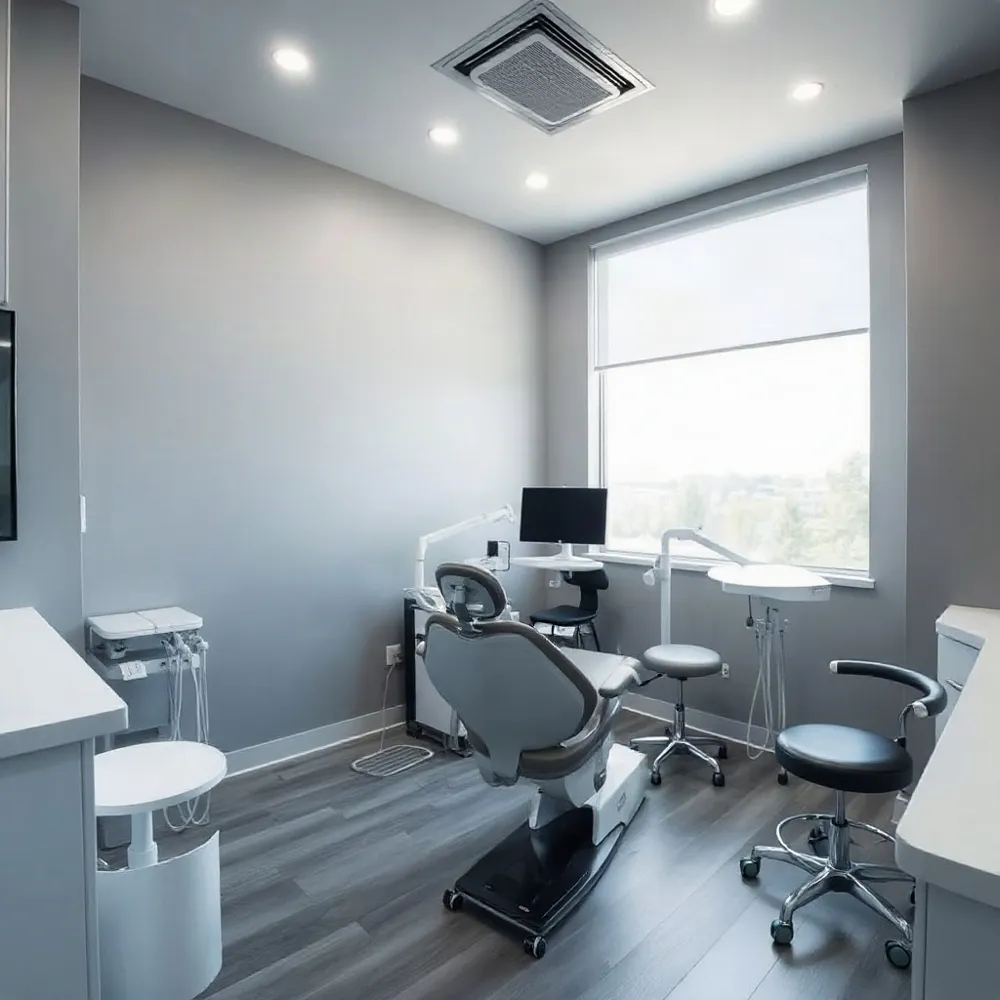 A professional fluoride treatment may offer added protection for people with a history of cavities, dry mouth, or other factors that raise cavity risk. At Ashley E. Burns, DDS, patient-centered care means considering individual needs when discussing preventive options, rather than assuming everyone needs the same treatment.
Are fluoride treatments at the dentist worthwhile, and are they safe?
Fluoride helps strengthen enamel, limit mineral loss from acid, and support the repair of early weakened areas. A dental professional can apply fluoride as varnish, gel, or foam, then advise whether treatment and repeat applications make sense for your risk level. The CDC’s guidance on fluoride products notes that these products are considered safe and effective when used as directed.
The main safety concern for young children is repeatedly swallowing too much fluoride while their teeth are developing, which can contribute to dental fluorosis, often seen as faint changes in enamel color. This is different from the topical use of fluoride applied appropriately to erupted teeth. The USPSTF’s guidance on fluoride varnish for young children supports its use for preventing decay in this age group.
Before recommending added fluoride, the dental team can consider your health, cavity history, age, and other sources, such as toothpaste, mouth rinse, supplements, and drinking water. Sharing these details helps avoid unnecessary exposure and keeps the plan suited to you. For more on who may benefit, see professional fluoride treatment for adults and children.
Fluoride Varnish For Young Children
Fluoride varnish can be applied directly to a child’s erupted teeth, so it may be offered once the first primary tooth appears. The U.S. Preventive Services Task Force recommendation supports varnish for children younger than five, beginning with the first erupted teeth. Studies reviewed by the Task Force most commonly applied it every six months.
A child with a higher risk of tooth decay may need applications more often. The right timing depends on the child’s oral health and should be discussed with a dentist or healthcare professional. At Ashley E. Burns, DDS, preventive recommendations are tailored to individual needs, including a child’s cavity risk.
Varnish is one part of prevention, not a replacement for daily care or dental visits. Brush a young child’s teeth with an age-appropriate amount of fluoride toothpaste and supervise brushing to help prevent swallowing. The American Academy of Pediatrics’ oral health guidance advises using a smear of toothpaste for children under age three and a pea-sized amount for older children. Healthy food and drink habits, along with regular dental care, round out the routine.
Cavity Risk And Practical Preparation
The grooves on molars help grind food, but they can also trap food and plaque, making back teeth more vulnerable to decay. Cavities may also develop between teeth or near the gumline, so no single area is the only one to watch. Learn more about dental sealants for molars, which can protect chewing surfaces when appropriate.
Tooth shape is just one part of cavity risk. Daily cleaning, diet, fluoride exposure, and saliva all play a role, and risk can change over time. The UK guidance on dental prevention recommends assessing disease risk at recall visits. At Ashley E. Burns, DDS in Midland, Texas, preventive care includes personalized recommendations such as fluoride treatments or sealants based on a patient’s needs.
Which teeth are most prone to cavities?
Molars, especially the back teeth, are often more prone because their chewing surfaces have grooves that can retain plaque. Primary molars are frequently affected in young children, but any tooth can develop decay. Exams can help identify concerns early and guide practical prevention; MedlinePlus explains what a dental exam may include.
How should you prepare for a dental appointment?
Brush and floss as usual before your visit. Bring a current medication list, relevant health information, insurance card, and any requested paperwork. Write down symptoms and questions so you can discuss them with the dental team, and confirm the appointment and arrival details in advance.
Follow the practice’s instructions, particularly if sedation, surgery, or another procedure is planned. You may need to adjust eating or medication, but make those changes only as directed by your dental team.
Understanding Preventive Care Coverage
Many dental plans cover routine exams and cleanings as preventive care, often with little or no out-of-pocket cost. Cleanings are commonly covered twice a year, but a plan may set a different limit or require a minimum number of months between visits. The MedlinePlus overview of dental exams describes routine exams and cleanings, while your own plan determines what it will pay for.
Coverage for X-rays, fluoride treatments, and other preventive services can also depend on the plan. Rules may include age limits, restrictions on how often a service is covered, or requirements about spacing appointments. At Ashley E. Burns, DDS, preventive care is part of a broader range of services that includes exams, cleanings, fluoride, sealants, and digital X-rays, but benefit details still need to be checked with the insurer.
Before scheduling, review your benefit documents or contact your insurer and dental office. Ask which services are covered, how often you may receive them, whether age or timing rules apply, and what you may owe. For more on how benefits can shape preventive visits, see this guide to preventive dental care coverage.
Make Prevention Personal
Daily brushing and cleaning between teeth, regular professional visits, and advice suited to your needs all support preventive care. The right approach can change with your oral health, medications, and cavity or gum-disease risk. At Ashley E. Burns, DDS, patient-centered care includes recommendations tailored to each person’s circumstances.
Before or during an appointment, ask how often you should schedule cleanings and exams, whether a fluoride product may help, and what to do about any symptoms or concerns. A dentist can assess your needs and explain options; the CDC’s fluoride guidance also emphasizes discussing product choices with a dental professional. Clear questions help you leave with a prevention plan you understand and can follow.