Care That Starts With You
Dental care is most useful when it reflects the person receiving it, not just a diagnosis or procedure. A dentist may consider oral-health history, general health, daily habits, personal goals, and concerns when discussing what care makes sense.
That conversation can shape treatment choices, preventive guidance, and the pace of an appointment. It also gives patients room to ask questions and weigh options with their dentist. A review of patient-centered care in dentistry describes this approach as respecting individual preferences, needs, and values in clinical decisions (narrative review of patient-centered care in dentistry).
At Ashley E. Burns, DDS, patient-centered care is the focus of the practice in Midland, Texas. The aim is to understand each patient’s circumstances and goals while applying clinical judgment, so recommendations support comfort and oral health rather than following a one-size-fits-all script. Prevention and education also help patients take an active role between visits.
What Patient-Centered Dental Care Means
 Patient-centered dental care means that a person’s needs, preferences, concerns, and values help guide clinical decisions. The dentist brings professional training and explains what the examination shows, while the patient contributes knowledge of their goals, daily circumstances, and past experiences. Neither perspective replaces the other.
This approach differs from applying the same plan to everyone, but it does not make routine examinations or preventive care less valuable. Instead, a dentist considers what each patient may need, discusses suitable options, and explains relevant benefits, risks, and costs in understandable language. The patient can ask questions and take part in choosing a course of care.
A 2023 narrative review in the British Medical Bulletin describes patient-centered care as holistic, taking biological, psychological, and social circumstances into account alongside oral health. That can mean considering dental anxiety, general health, practical barriers, or the effect of treatment on everyday life. The review also emphasizes shared decisions based on a mutual understanding of the problem and the patient’s priorities.
Building a Plan Together
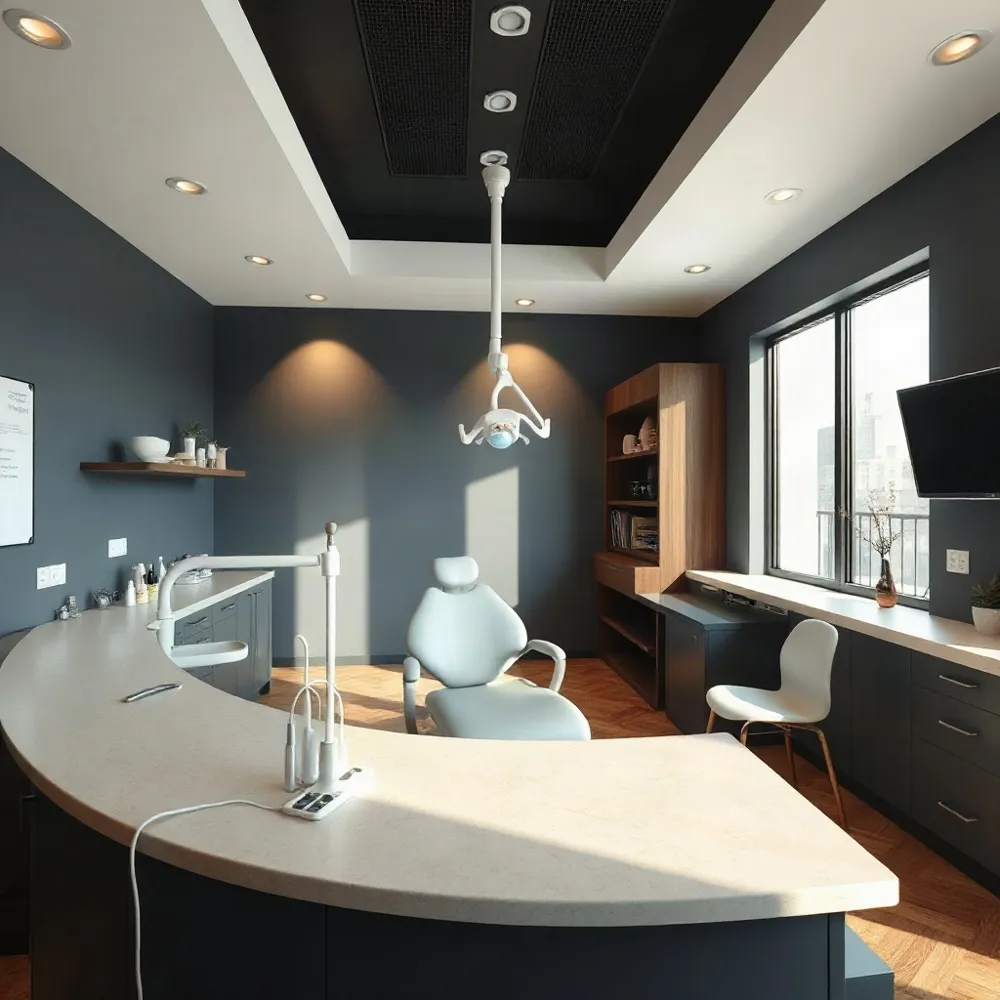 Planning can start with a conversation about what brings you in, what concerns you most, and what you hope to change or maintain. Sharing past dental experiences, including anything that made treatment difficult, helps the dentist understand what matters to you before discussing options. Ashley E. Burns, DDS describes care as patient-centered, with treatment recommendations shaped around each person’s health history and preferences.
A review of dental and medical history adds important context. Current oral-health concerns, medications, allergies, medical conditions, and relevant habits can affect which recommendations are appropriate and how care should be delivered. A clinical examination assesses what is happening now; X-rays or other imaging may be considered when needed to clarify findings that are not visible during the exam.
Together, the conversation and examination help organize care. Pain or infection may call for prompt attention, while preventive steps and longer-term restorative needs can be planned according to clinical findings. A 2023 review describes shared decision-making as a central part of patient-centered dentistry, with the dental professional and patient working toward an informed choice about care (review of patient-centred care in dentistry).
Recommendations also need to fit real life. Comfort, work and family schedules, budget, and personal goals can shape which suitable option feels manageable. Some care may be phased, then monitored and adjusted as healing, oral health, or circumstances change. The practice’s patient-centered treatment-planning approach emphasizes discussing concerns and goals as part of building a plan, rather than treating the first recommendation as fixed.
Clear Communication Builds Trust
 Good dental communication is a two-way conversation. Patients can share relevant health history, medications, concerns, and goals, while the dental team explains what an examination shows and what care options may fit. A 2023 review of patient-centred dentistry describes shared decision-making and understandable information as parts of involving patients in decisions about care.
Patients can ask about the expected steps, potential benefits and risks, costs, comfort, and follow-up. Mention anxiety or uncertainty, too. Images or other visual aids can help make findings easier to understand, while plain language gives patients room to weigh their options.
Informed consent supports a patient’s autonomy and can reduce confusion about treatment. The review emphasizes that patients need clear information about their oral-health concerns and available choices to make an informed decision. Respectful listening helps the dental team understand what matters to each person.
Before leaving, confirm the agreed plan, home-care guidance, and next steps, including any follow-up visit. Repeating the plan in your own words can reveal questions that still need an answer. This kind of exchange supports understanding and engagement without promising a particular treatment outcome.
At Ashley E. Burns, DDS in Midland, patient-centered care includes discussing findings and options in a way patients can understand. For further perspective on how clear dialogue supports trust in dental care, see building trust through patient-centered dentistry.
Comfort and Whole-Person Well-Being
Oral health and emotional well-being can affect each other, though the experience differs from person to person. Tooth pain or difficulty eating and speaking may affect comfort, confidence, or social life. Concerns about a smile can also weigh on how someone feels in everyday situations.
Stress or anxiety may make daily oral care or attending appointments more difficult. Stress can also contribute to habits such as grinding teeth, while some medications may cause dry mouth. These effects do not mean that an oral-health concern signals a mental-health condition. A review of patient-centred care in dentistry describes psychological and social circumstances, including dental anxiety, as factors that may matter when discussing care.
At Ashley E. Burns, DDS in Midland, a patient-centred conversation can include concerns about comfort, anxiety, or circumstances that may affect an appointment. Sharing what feels difficult gives the dental team a chance to discuss suitable support and appointment planning. It does not guarantee a particular intervention, but it can help make the conversation more relevant to your needs.
Patients may also find it helpful to mention changes in eating, speaking, sleep, or confidence that seem connected to an oral concern. The dental team can consider this information alongside clinical findings and discuss whether follow-up or other support may be appropriate.
Technology With Clinical Judgment
Digital scans, X-rays, and other imaging can help a dentist assess oral health, monitor changes, plan treatment, and show patients what an examination reveals. The University of Iowa’s Patient-Centered Dental Home framework treats quality as more than a single interaction, including how care is organized and assessed. At Ashley E. Burns, DDS, technology should be understood as a support for individualized care, not as a substitute for a clinical conversation or examination.
Digital tools may improve precision and efficiency, but their usefulness depends on appropriate selection, careful image capture, and a clinician’s interpretation. An intraoral scan, for example, can be incomplete or inaccurate when moisture or soft tissue obscures an area, or when images do not align correctly. The dental team may need to repeat or adjust the scan, which can delay treatment or require changes to a planned restoration.
Digital systems also bring practical demands. Equipment and software require purchase, maintenance, and staff training, while technical interruptions can disrupt an appointment. A tool that suits one patient or procedure may not be appropriate for another. A dentist’s examination, experience, and clinical judgment remain essential to deciding whether imaging is needed and how its findings should guide care.
Patients can ask what a recommended image is intended to show and how it may affect the treatment discussion. Visuals can make findings easier to understand, but they are one part of the assessment. Ashley E. Burns, DDS’s patient-centered approach puts explanation and individual circumstances alongside clinical findings when discussing care options.
Preparing for a Dental Appointment
Before your visit, follow the dental team’s instructions, particularly if sedation is planned. If directions about eating, drinking, or medication are unclear, contact the office rather than guessing. You can also review practical appointment preparation guidance before your visit.
Do not fast or stop prescribed medication unless your dentist or prescribing clinician tells you to. Let the office know about changes in your health, including a fever or illness, and share your current medications, supplements, allergies, and relevant medical history.
If sedation is planned, avoid alcohol or caffeine when instructed by your dental team. Patients receiving oral or IV sedation should arrange transportation home as directed and should not plan to drive themselves. These details help the team prepare for your appointment and support safe care.
A Continuing Partnership
Personalized dental care continues beyond a single appointment. As your oral health, priorities, or circumstances change, revisit recommendations with your dental team and ask what still fits your needs.
A 2023 review describes patient-centered dentistry as care that respects individual preferences and values, with those values guiding clinical decisions. That approach supports informed choices while keeping clinical judgment in view. The review of patient-centered care in dentistry also emphasizes understanding the person and their circumstances, not only the dental condition.
At Ashley E. Burns, DDS in Midland, ongoing conversations can help connect preventive guidance and treatment recommendations with your concerns and goals. Share what feels manageable, raise questions, and let the team know when something has changed. The aim is suitable care, clear communication, and comfort, without assuming that one plan or outcome is right for everyone.