The Power of Clear Communication in Modern Dentistry
Effective oral healthcare is built on a bidirectional process that prioritizes the patient perspective. When a practice embraces patient-centered communication, it moves beyond simple clinical procedures to create a collaborative environment. Dr. Ashley E. Burns fosters this by using simple, jargon-free language and visual aids like radiographs, which significantly improves a patient’s understanding of their unique dental needs and encourages adherence to treatment plans.
Open dialogue serves as the foundation for successful outcomes. By practicing active listening and asking thoughtful follow-up questions, a dental professional can identify subtle symptoms that might otherwise be overlooked. At ashleyburnsdds.com, this commitment to transparency ensures that every patient feels like a partner in their care. Patients are encouraged to ask fundamental questions, such as does my mouth look healthy, to initiate a proactive discussion about long-term goals.
Establishing a productive partnership with your provider requires preparation and honesty. Whether you are managing dental anxiety or planning an aesthetic smile improvement, clear communication regarding your priorities and constraints helps avoid frustration. By discussing your expectations early, you allow Dr. Ashley E. Burns to develop a treatment plan that fits both your lifestyle and budget, ensuring a comfortable and predictable experience from the very first visit.
Distinguishing Between Routine Exams and Targeted Consultations
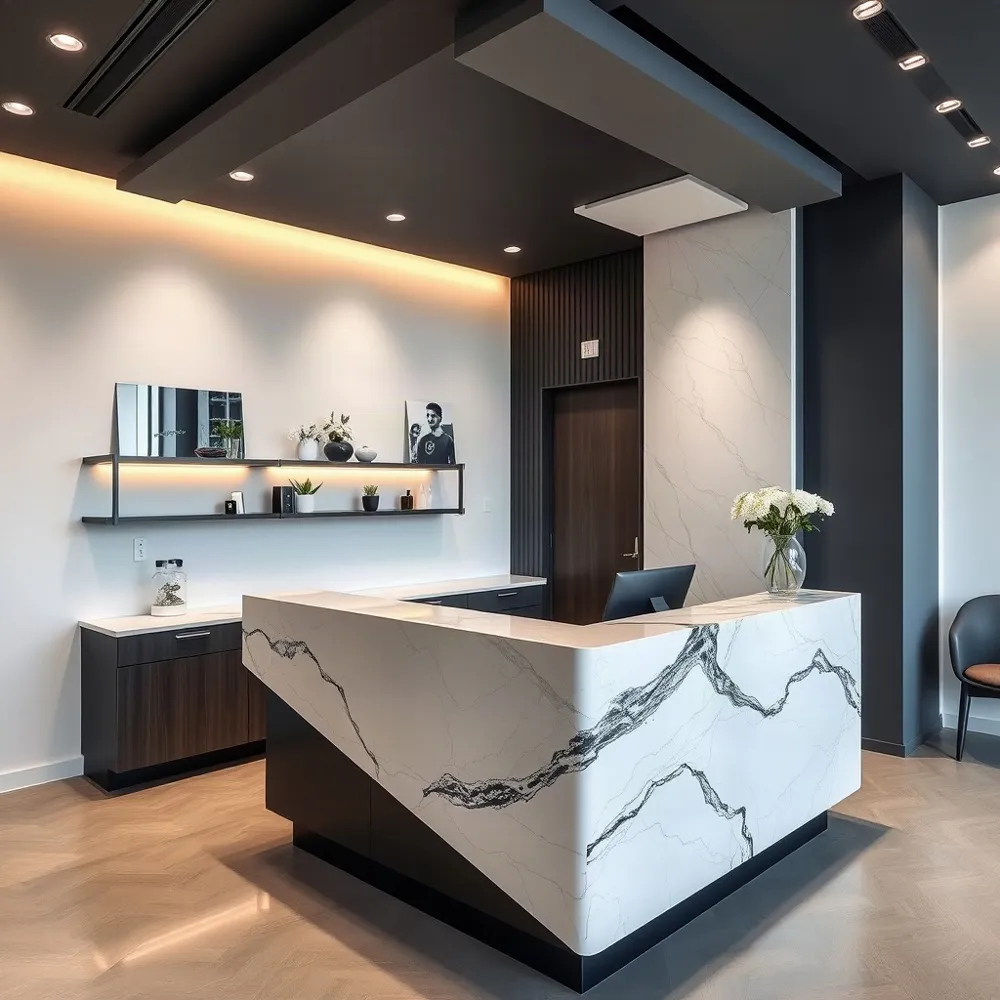 Understanding the distinction between a standard checkup and a specific consultation ensures you receive the care you need when you need it. A general dental exam serves as your recurring preventive anchor, typically scheduled every six months to monitor your baseline oral health, remove plaque and tartar, and catch issues like cavities or gum disease early. At ashleyburnsdds.com, we use these routine visits to build a historical map of your dental health, which allows for proactive rather than reactive care.
What is the difference between a general dental exam and a dental consultation?
While a general exam maintains your health, a dental consultation is a targeted appointment centered on a specific goal or concern. These sessions focus on evaluating potential cosmetic enhancements, complex restorative work, or specific functional issues that fall outside the scope of a standard cleaning. Per questions to ask your dentist, initiating these conversations allows your dentist to tailor a plan that aligns with your unique health history and personal aesthetic priorities. Unlike the broad sweep of a checkup, a consultation involves a deeper diagnostic dive into how specific treatments fit your lifestyle.
Clinical reviews differ significantly in intensity and intent between these two types of visits. During a general exam, the focus is on maintaining stability and detecting early signs of disease. Conversely, a consultation often incorporates advanced diagnostic tools to map out a precise sequence of interventions. According to Strategies for Effective Dentist-Patient Communication, this collaborative process is built on shared decision-making, where the dentist acts as a guide to ensure you feel informed about the risks, benefits, and long-term maintenance of any proposed changes. Whether you are due for your regular dental cleaning or ready to explore specialized care, distinguishing between these appointments helps you optimize your time and ensure your treatment goals are met with professional precision.
Understanding Common Dental Challenges and Their Solutions
 Maintaining optimal oral health requires awareness of the most frequent dental conditions that can impact your quality of life. Common concerns such as tooth decay frequently stem from plaque buildup that evolves into cavities if left untreated. According to the Arcora Foundation, proactive engagement regarding your gum health is essential, as many adults experience some form of gum disease which, if ignored, can compromise supporting bone structures.
At ashleyburnsdds.com, we emphasize that recognizing early warning signs is a vital part of personal health management. Conditions like tooth sensitivity are often caused by enamel wear or exposed roots, while misalignment concerns may affect both the functionality and aesthetics of your smile. Rather than waiting for discomfort to escalate, scheduling a consultation allows for a thorough assessment, including digital diagnostics.
Why routine screenings are essential
Beyond treating visible issues, regular professional screenings are critical for early detection of broader health concerns. These checkups provide an opportunity to discuss your specific risk profile and establish a personalized prevention strategy. While some offices may prioritize quick fixes, ashleyburnsdds.com focuses on a patient-centered approach, ensuring you understand exactly why a treatment is recommended and how it supports your long-term wellness.
- Inquire about specific brushing or flossing adjustments to manage current sensitivity.
- Request a review of your oral health trajectory during every hygiene visit.
- Ask about potential indicators of systemic health issues that may warrant a follow-up with your primary physician.
- Discuss your aesthetic goals alongside your health needs to create a balanced, lasting treatment plan.
General Versus Cosmetic Dentistry Roles
Understanding the distinct roles of dental professionals helps you navigate your oral health journey with confidence. While all dentists graduate from dental school with the core mission of protecting your teeth and gums, their professional focus often shifts based on their specific expertise and the needs of their patients.
How does a cosmetic dentist differ from a general practitioner?
A general dentist serves as your primary line of defense. At ashleyburnsdds.com, our team prioritizes the prevention, diagnosis, and treatment of oral health issues through consistent checkups, professional cleanings, and restorative procedures like fillings. These clinicians are your partners in maintaining long-term health, helping you monitor gum status and managing strategies for effective dentist-patient communication to prevent issues before they require complex intervention.
In contrast, a practitioner focused on cosmetic design specializes in the artistry of your smile. They utilize elective techniques like porcelain veneers or professional whitening to enhance symmetry, shape, and brightness. While cosmetic dentistry is not a distinct clinical specialty, these providers often invest in extensive extra training to master the aesthetic balance of your smile line and facial features, per Cosmetic Dentistry guidelines.
Modern care frequently integrates both disciplines to ensure a stable foundation for your aesthetic goals. Before recommending any cosmetic improvement, a thoughtful clinician will ensure your mouth is healthy, addressing any decay or inflammation first. By using visual aids such as digital scans, dentists can collaborate with you to align your health requirements with your personal vision for a radiant, functional smile.
Tools for Effective Communication and Self-Advocacy
Effective oral healthcare functions as a partnership where your unique goals and concerns guide the clinical approach. At ashleyburnsdds.com, we believe that clear dialogue is just as vital as the dental treatment itself. Establishing this connection starts with honesty about your medical history and a transparent discussion about your aesthetic or functional priorities. When you express these needs early, your dental team can adjust their techniques to ensure you feel heard and respected throughout every stage of your care.
How can patients effectively communicate their concerns with their dentist?
Effective communication begins with being honest about your dental history and clearly expressing your primary goals for your smile. To ensure your concerns are fully addressed, practice active listening and feel empowered to ask questions whenever a diagnosis or treatment plan is unclear. Using tools like a personal health summary can help you organize your thoughts and communicate specific needs or anxieties to your dental team. When you share openly, your dentist is better equipped to tailor their approach to your unique comfort level and health priorities. Ultimately, maintaining an open, respectful dialogue creates a partnership that leads to more accurate care and a more positive experience in the dental chair. For those managing dental anxiety, we recommend establishing specific hand signals to indicate discomfort or requesting breaks during longer procedures, as effective dentist-patient communication is a bidirectional process based on clarity, empathy, and mutual trust.
- Bring a written list of questions to your appointment to ensure you cover every topic, from cavity risks to cosmetic options.
- Ask specific questions like 'Does my mouth look healthy?' to initiate a deeper conversation about your care.
- Discuss your schedule and budget preferences upfront so we can create a prioritized treatment plan that fits your life.
- Feel encouraged to ask for simplified, jargon-free explanations of any procedure or finding.
Structuring Your Personalized Treatment Plan
 A comprehensive dental treatment plan acts as a personalized roadmap, beginning with a thorough assessment of your oral health history, diagnostic clinical findings, and X-rays. At ashleyburnsdds.com, this process ensures that every recommendation is grounded in your unique dental profile, helping you understand both the necessity and the expected outcome of each procedure.
What should a comprehensive dental treatment plan include?
Your treatment plan serves as a clear guide, outlining necessary steps while explaining the rationale behind each recommendation to ensure you are fully informed. To make your journey manageable, the plan is organized into logical phases. It prioritizes urgent health needs, such as pain, decay, or gum disease, before moving to restorative work or elective cosmetic enhancements. Addressing these foundational issues early is essential to ensure the longevity of any future aesthetic results.
Transparency regarding logistics is a critical component of any effective treatment planning process. A professional roadmap provides a clear breakdown of estimated timelines, including the number of visits required and the expected recovery period for each phase. By clarifying insurance coverage and available financing options upfront, the team at ashleyburnsdds.com helps you align your care with your personal budget and schedule. This structured approach empowers you to make confident decisions that prioritize your long-term health, as documented in our commitment to patient-centered care and open dialogue.
Standard Hygiene Guidelines for Daily Maintenance
Consistency in your home care routine serves as the bedrock for long-term oral success. While many patients ask about established frameworks to guide their habits, the 2-2-2 rule remains a widely recognized standard in modern dentistry. This guideline suggests brushing your teeth twice daily for two minutes each session and scheduling professional cleanings at least twice a year to maintain optimal health.
Are there established guidelines for oral health maintenance like the 2-2-2 or 3-3-3 rules?
The 2-2-2 rule provides a reliable framework for preventing plaque accumulation and identifying potential issues early. Some patients prefer a 3-3-3 approach, which emphasizes brushing after every meal to minimize lingering debris. At ashleyburnsdds.com, we recognize that while these rules are helpful memory aids, they are not a substitute for professional clinical guidance. Unlike generalized advice found in broad industry literature, we believe your routine should be customized based on your specific risk factors and oral health status.
Every smile is unique, and standardized rules often fail to account for personal variables such as gum sensitivity or orthodontic hardware. During your next visit to ashleyburnsdds.com, we will assess your specific needs to help you determine if your current brushing and flossing techniques provide sufficient protection. Relying on a tailored plan ensures you are not just following a rule, but actively supporting the longevity of your dental health.
Taking the First Step Toward Your Best Smile
Achieving your ideal smile begins with a commitment to proactive care and open dialogue. By prioritizing questions for your dentist early, you transform routine visits into a strategic partnership that addresses your specific functional and aesthetic goals. Whether you are addressing minor concerns or considering a comprehensive transformation, taking an informed approach helps you understand your long-term oral health trajectory.
At ashleyburnsdds.com, we believe that the foundation of a healthy smile is built on effective dentist-patient communication. Our approach in Midland, Texas, focuses on patient-centered care that respects your individual needs, budget, and timeline. Unlike practices that prioritize volume over connection, we take the time to evaluate your unique oral health history and co-create a personalized plan that yields lasting, natural results.
Your journey toward your best smile deserves a supportive and professional environment. If you are ready to explore your options, we invite you to schedule your initial consultation with ashleyburnsdds.com today. We look forward to providing the expertise, transparency, and clinical excellence necessary to help you achieve the healthy, vibrant smile you envision.