Embracing Technology for Enhanced Dental Health
Modern Dental Technologies
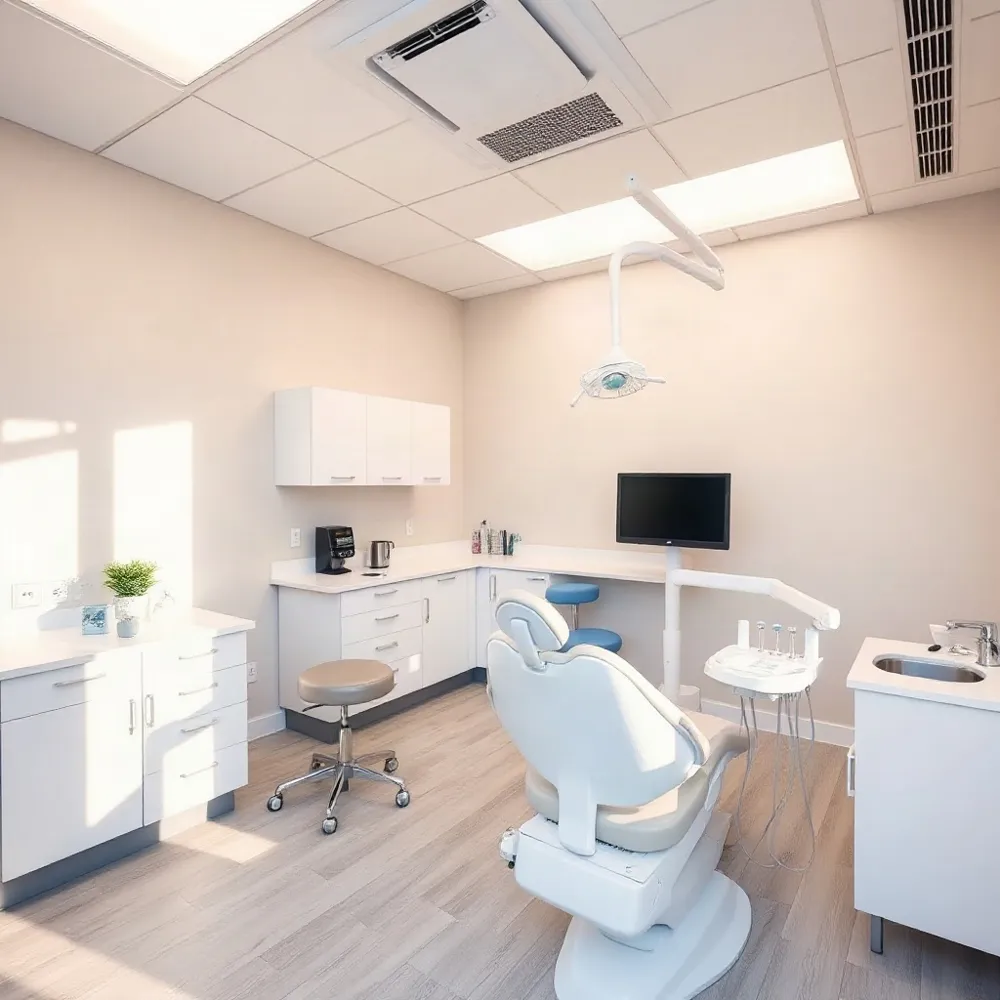
Today's dental practices integrate a range of advanced technologies to deliver precise, personalized care. Techniques such as laser dentistry enable minimally invasive treatments—like gum reshaping and cavity removal—that reduce discomfort and speed healing. Digital imaging tools, including intraoral scanners and cone beam computed tomography (CBCT), provide high-resolution, 3D visuals for accurate diagnosis and treatment planning. Furthermore, 3D printing allows clinicians to produce custom crowns, bridges, and aligners quickly on-site, enhancing fit and convenience.
Impact on Patient Care and Comfort
These innovations translate into tangible benefits for patients. Laser treatments minimize bleeding and postoperative pain, often requiring less anesthesia. Digital impressions are faster and less intrusive than traditional methods, reducing appointment times and improving overall comfort. Advanced pain management options, such as computer-assisted anesthesia and sedation dentistry, help ease anxiety. Additionally, the adoption of artificial intelligence enhances early detection of oral health issues, allowing for timely, less invasive interventions.
Commitment to Innovation in Practice
Leading dental clinics prioritize continuous integration of cutting-edge technology to improve outcomes. Embracing smart devices and teledentistry promotes patient engagement and expands access to care. Research into regenerative methods, like stem cell therapy, reflects the forward-thinking approach aiming to restore natural tissue and reduce dependence on artificial materials. This dedication ensures that patients receive high-quality, efficient, and comforting dental services rooted in the latest advancements.
Laser Dentistry: Precision Meets Patient Comfort
What Are the Applications of Laser Dentistry?
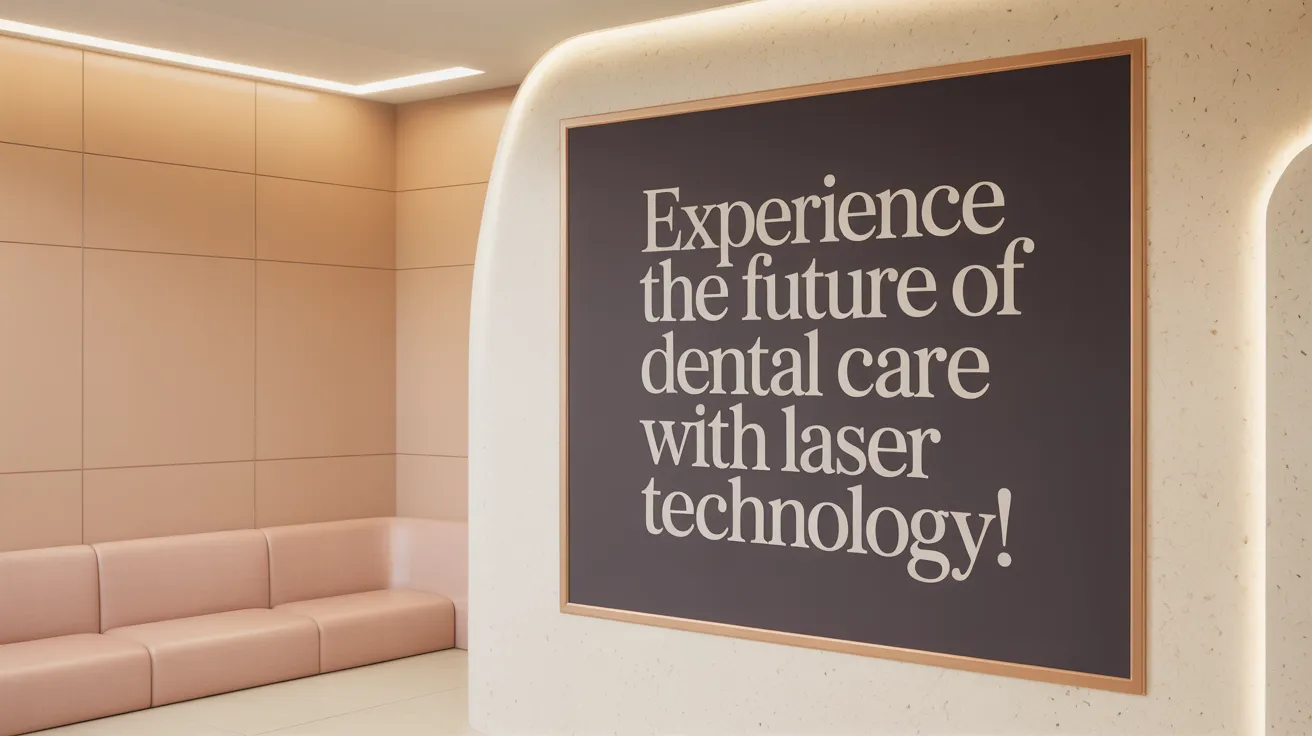
Laser dentistry is revolutionizing dental care with its wide range of Laser dentistry benefits. It is commonly used for gum reshaping, precise cavity detection with laser technology and removal, periodontal therapy advancements, and teeth whitening techniques. These applications allow dentists to perform procedures with greater accuracy and minimal invasion.
What Are the Benefits of Laser Dentistry?
One of the major advantages of laser dentistry benefits is its contribution to patient comfort. Treatments cause less pain and reduce bleeding, making healing faster and smoother. The precision of laser tools means treatments often require less or no anesthesia, which benefits patients sensitive to traditional numbing agents.
How Does Laser Dentistry Enhance Recovery?
Laser procedures minimize tissue damage by targeting only infected or affected areas. This selectivity leads to decreased inflammation and faster recovery times. Patients often experience less swelling and discomfort after laser treatments compared to conventional methods.
Common Laser Dentistry Treatments
- Gum reshaping: Laser Technology in Dentistry sculpts gums with high precision to improve aesthetics and health.
- Cavity detection and removal: Lasers identify early decay and eliminate it without extensive drilling, enhancing painless cavity treatment.
- Periodontal therapy: Lasers treat gum disease effectively by removing inflamed tissue and bacteria using periodontal therapy advancements.
- Teeth whitening: Laser-activated whitening accelerates results while protecting enamel.
Laser dentistry combines advanced dental technologies with a patient-centered approach, making it a preferred choice for modern dental care.
Digital Imaging and 3D Printing Revolutionize Diagnostics and Restorations
How do intraoral scanners and CBCT 3D imaging improve dental diagnostics?
Intraoral scanners and CBCT imaging represent modern breakthroughs in dental diagnostics. These technologies provide high-resolution, three-dimensional images of teeth, jaws, and facial structures. Unlike traditional methods, they are less invasive and offer faster, more precise imaging.
Patients experience greater comfort during examinations because these tools reduce the need for physical impressions and minimize exposure to discomfort. For dentists, the detailed imaging enhances diagnostic accuracy and enhances treatment planning, especially for complex procedures such as implants or orthodontics.
What are the benefits of digital X-rays in dentistry?
Digital X-rays in dental care are a significant advancement over traditional film X-rays in dental care. They provide immediate high-quality images that allow dentists to detect issues early, sometimes before symptoms arise.
A major advantage is the significant reduction in radiation exposure—up to 90% less—which improves patient safety considerably. This technology also facilitates a more efficient workflow, allowing quicker decision-making and patient consultation during appointments.
How is 3D printing technology integrated into producing dental restorations?
Dental offices increasingly use 3D printing in dental restorations for crafting restorations such as crowns, bridges, dentures, and orthodontic aligners. This approach shortens the traditional wait times, as these items can often be designed and printed during the same appointment.
Customization is enhanced, as 3D printed dental restorations fit individual anatomy with high precision. This translates to better comfort, improved function, and aesthetics for patients.
What improvements do these technologies bring in terms of accuracy, fit, and turnaround?
Unlike older fabrication techniques, the use of digital imaging in dentistry combined with 3D printing ensures restorations are tailored exactly to patient needs. The precise fit reduces adjustments and remakes after placement.
Turnaround times are drastically reduced—from weeks to potentially a single day—allowing patients to restore oral health more quickly and with fewer visits.
| Technology | Benefits | Impact on Patient Care |
|---|---|---|
| Intraoral Scanners & CBCT | Faster, detailed 3D images | More accurate diagnoses and planning |
| Digital X-rays | Reduced radiation, immediate results | Safer, efficient examinations |
| 3D Printing | On-site fabrication of restorations | Quicker treatment, customized fit |
| Combined Technologies | Enhanced precision and comfort | Fewer adjustments, faster recovery |
Advances in Pain, Anxiety Management, and Patient Engagement
How are computer-assisted anesthesia in dentistry and sedation options in dentistry improving patient comfort?
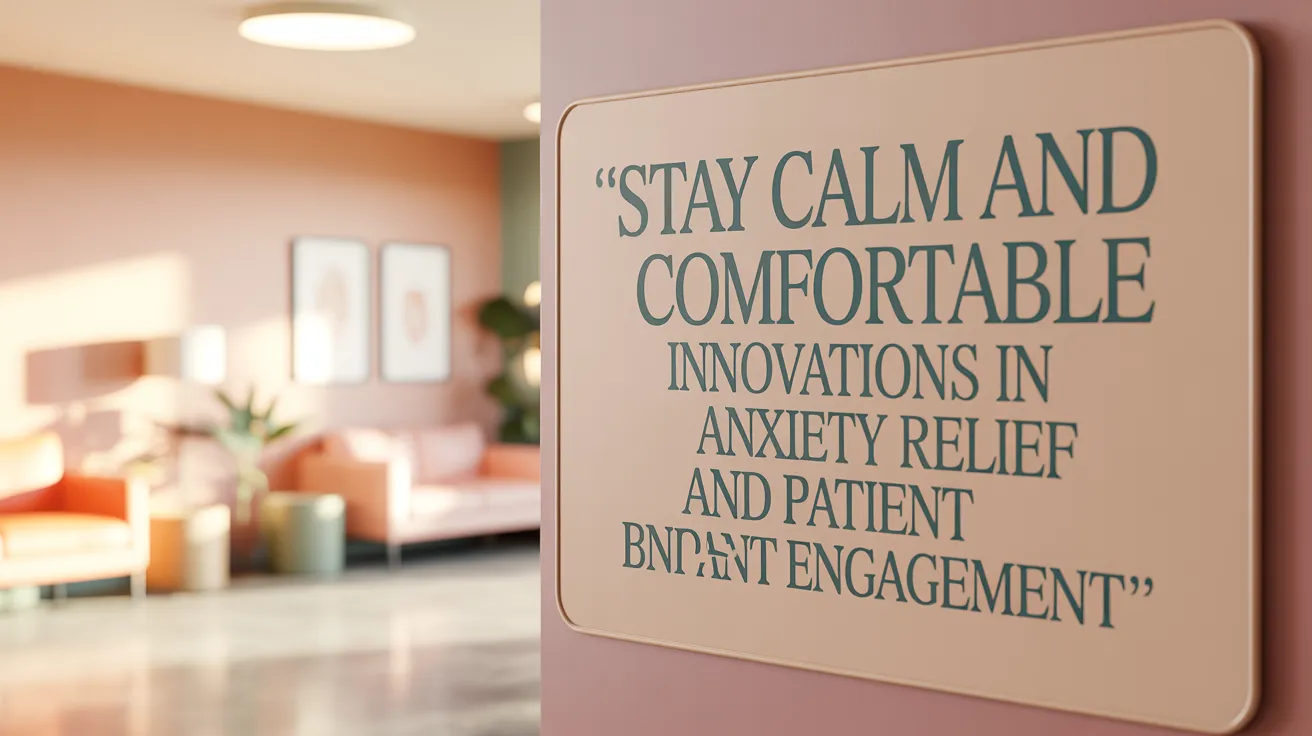
Computer-assisted anesthesia delivers precise amounts of anesthetic, reducing discomfort and eliminating the need for multiple injections during dental procedures. Sedation dentistry options such as nitrous oxide (laughing gas) and oral sedatives help patients remain calm and relaxed, making dental visits more comfortable, particularly for those with dental anxiety.
What role do noise reduction and calming office environments play?
Modern dental offices employ noise reduction strategies through quieter equipment and soundproofing to minimize stressful sounds. Additionally, calming office designs with soothing colors, comfortable seating, and gentle lighting help reduce patient anxiety before and during treatments.
How are smart toothbrush technology, patient apps, and teledentistry services engaging patients?
Smart toothbrushes equipped with sensors provide real-time feedback on brushing habits, encouraging better oral hygiene. Patient apps facilitate appointment scheduling, oral health tracking, and education. Teledentistry enables virtual consultations and follow-ups, improving access to care, especially for patients in remote areas or with mobility challenges.
These technological advances and thoughtful practice designs collectively enhance patient comfort and promote proactive oral health management.
Artificial Intelligence and Regenerative Dentistry: The Future of Oral Care
How is AI used for early detection of dental issues?
Artificial intelligence in dentistry is revolutionizing dental diagnostics by enhancing early detection of dental issues, including cavities, gum disease, and oral cancer. AI algorithms analyze digital X-rays, intraoral scanners and CBCT, and other imaging to identify subtle abnormalities that might be missed by the naked eye. This leads to quicker interventions and improved patient outcomes.
What is predictive analytics and how does it aid treatment planning?
Beyond detection, AI provides predictive analytics that assess individual oral health trends. This allows dentists to formulate personalized dental care innovations tailored to a patient’s unique risk factors, improving the precision and effectiveness of care while preventing future disease.
What regenerative techniques using stem cells are emerging?
Regenerative dentistry and stem cell therapy is advancing through the use of stem cell therapy to repair and regenerate dental tissues such as enamel, dentin, and gum tissue. By stimulating the body’s natural healing processes, these treatments hold promise for restoring damaged teeth and oral structures without relying exclusively on artificial materials.
Can regenerative dentistry reduce dependence on artificial restorations?
Stem cell-based therapies and tissue regeneration aim to minimize the need for traditional restorations like crowns and implants. This could lead to more natural tooth repair innovations that are less invasive, promote faster recovery, and improve long-term oral health.
Together, AI and regenerative dentistry represent exciting frontiers in dental care, combining advanced dental technologies with biological innovation to create more personalized, less invasive, and highly effective treatments for patients.
Innovations in Dental Implant Technology and Minimally Invasive Techniques

What are recent advances in dental implant technology?
Dental implant technology has evolved significantly with the integration of Computer-Guided Implant Surgery and new biocompatible materials. Computer-guided surgery enhances the accuracy and safety of implant placement by utilizing Advanced Imaging for Implant Placement and software, improving functionality and aesthetics. Materials like zirconia and enhanced titanium coatings offer better compatibility with the body, reducing complications and providing options for patients with metal allergies.
How does 3D printing impact implant customization?
3D Printing in Dental Implants allows dental clinics to fabricate highly precise, customized implants and prosthetics on-site. This technology shortens production times, ensures accurate fits tailored to each patient’s anatomy, and can reduce overall costs. It also supports faster turnaround for crowns, bridges, dentures, and aligners, improving patient convenience.
In what ways is stem cell therapy advancing implant healing?
Stem Cell Therapy for Bone Regeneration is an emerging innovation that aids bone regeneration and accelerates healing processes. Research shows that using Stem Cell Therapy for Bone Regeneration can repair and rebuild bone tissue around implants, which is especially beneficial for patients with severe bone loss. This regenerative approach may lower the risk of implant complications and improve long-term outcomes.
Why is minimally invasive dentistry gaining traction?
There is a strong trend toward minimally invasive procedures that focus on conserving tooth structure and limiting treatment to affected areas only. These techniques often involve digital imaging in dentistry and laser dentistry treatments to perform precise interventions. Benefits include reduced patient discomfort, shorter recovery times, and preservation of more natural tissues, aligning with patient preferences for gentler care.
| Innovation | Benefits | Dental Applications |
|---|---|---|
| Computer-guided Surgery | Enhanced accuracy and safety | Precise implant placement |
| New Biocompatible Materials | Reduced complications; allergy-friendly | Zirconia, advanced titanium coatings |
| 3D Printing | Faster production, precise customization | Implants, crowns, bridges, dentures |
| Stem Cell Therapy | Bone regeneration, faster healing | Bone repair around implants |
| Minimally Invasive Methods | Conservative treatment, less pain, faster healing | Laser procedures, targeted tooth preservation |
Looking Ahead: Enhancing Outcomes Through Continuous Innovation
Embracing New Technologies for Patient-Centered Care
Advancing dental care begins with integrating innovative technologies that prioritize patient comfort and treatment precision. Tools like laser dentistry, digital imaging, and AI diagnostics help deliver personalized, less invasive treatments.
Ongoing Advancements Improving Treatment
Dental practices continuously adopt breakthroughs such as 3D printing for same-day restorations, improved pain management methods, and regenerative therapies. These advances shorten recovery times, enhance accuracy, and open possibilities for natural tissue repair.
Commitment to Innovation Leadership
Leading practices demonstrate a dedicated approach to staying at the forefront of dental innovation. By actively adopting emerging technologies and refining protocols, they ensure superior outcomes and a positive, reassuring patient experience.