Three Approaches to Smile Changes
Whitening, bonding, and veneers can all change how a smile looks, but they address different concerns. Whitening lightens natural tooth color, while bonding uses tooth-colored resin to repair a small chip, close a minor gap, or alter a tooth’s shape. Veneers cover the fronts of teeth and can change their color, shape, or size.
The right option depends on what is causing the concern, your oral health, your goals, and your budget. It also helps to consider the maintenance involved: bonding may need touch-ups, while traditional veneers require removing some enamel and may eventually need replacement. Dental bonding and dental veneers differ in how they affect tooth structure and how long they may last.
At Ashley E. Burns, DDS in Midland, a dental evaluation can help identify the cause of discoloration or damage and determine which changes are realistic. Whitening will not reshape a tooth, and cosmetic treatments may not resolve an underlying oral health problem. A personalized plan can clarify what each option can and cannot do before you decide.
Whitening Results and Safety
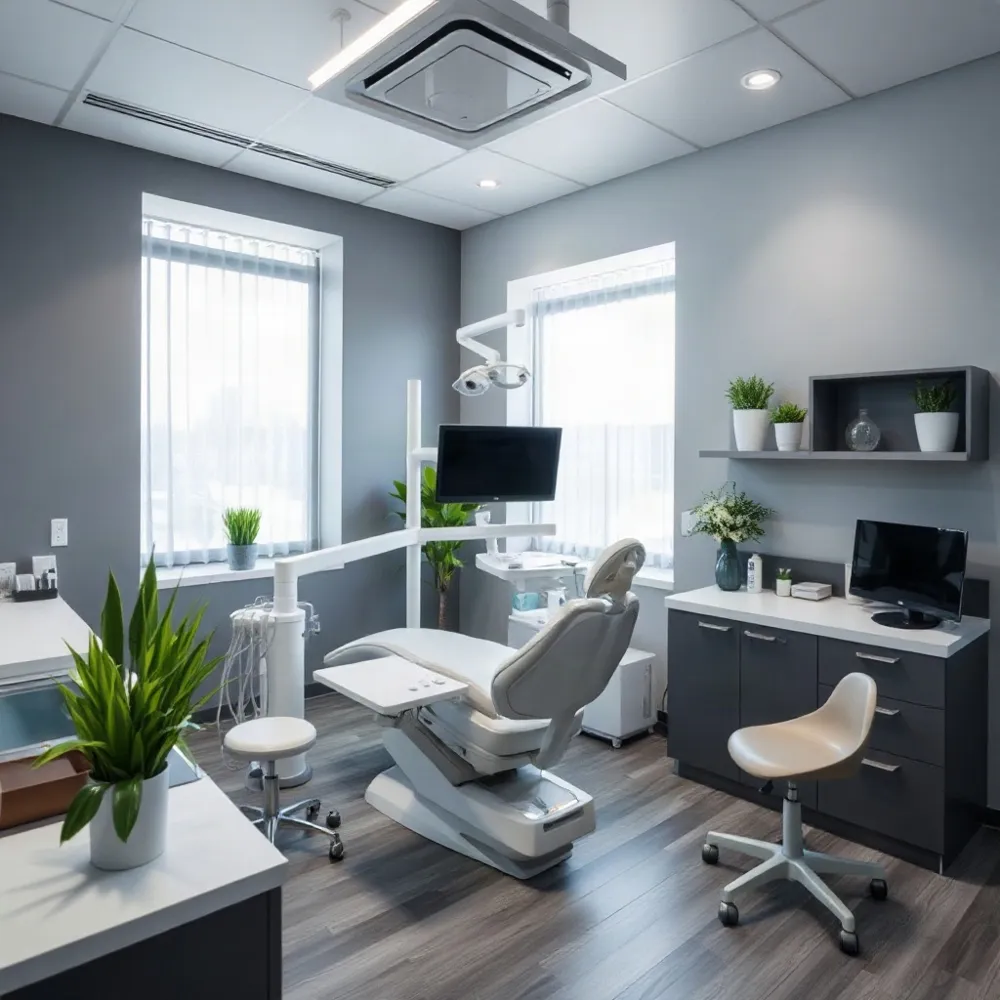 Peroxide-based whitening works by breaking down colored compounds in stains, making them less concentrated so teeth look brighter. Whitening toothpaste may also contain mild abrasives that help remove surface stains through brushing. The Cleveland Clinic’s guide to whitening safety explains that the right approach depends on the type and cause of discoloration.
Professional whitening uses stronger peroxide concentrations than typical at-home products and can produce faster, more noticeable results. At-home strips, gels, and trays tend to work more gradually, while toothpaste may help with surface staining. Neither approach is equally effective for every kind of discoloration, and whitening may not address stains caused by an underlying dental problem. At Ashley E. Burns, DDS in Midland, an oral exam can help identify the cause and whether whitening is suitable before treatment.
Is professional teeth whitening safe, and what side effects can it cause? When products are used as directed, whitening is generally considered safe. Temporary tooth sensitivity and gum irritation are common, but usually settle after treatment. A dental exam can identify cavities, gum disease, or other concerns that may need attention first. Follow product instructions or your dentist’s directions, and contact the dental office if discomfort is severe or does not improve. The Cleveland Clinic’s overview of dental bonding also notes that existing dental concerns should be assessed before cosmetic treatment.
Peroxide whitening used as directed generally does not remove enamel. Overuse or aggressive treatment can raise the risk of irritation and other unwanted effects, so take a break and seek dental advice if sensitivity persists. Crowns, fillings, veneers, and other restorations may not change shade like natural teeth, which can leave a visible difference after whitening. For more on how whitening approaches work, see this guide to whitening results and safety.
Bonding for Targeted Repairs
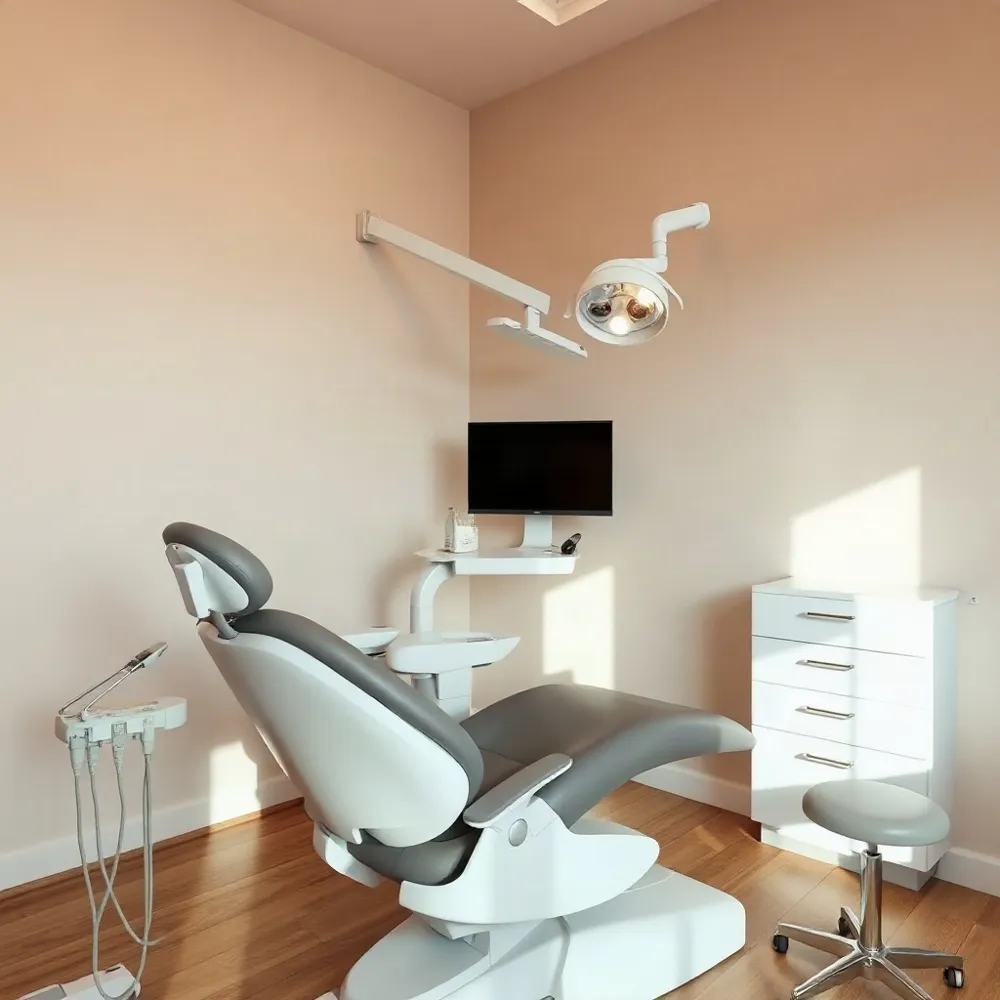 For a small chip, minor crack, narrow gap, or patch of discoloration, dental bonding can make a focused change without covering the whole tooth. A dentist applies tooth-colored composite resin, shapes it to fit, hardens it with a curing light, then polishes the surface. Learn more about the dental bonding process.
Bonding is often completed in one visit and usually requires little or no enamel removal. That makes it a conservative option for modest repairs or subtle changes to a tooth’s shape. It is generally less expensive than veneers, although the cost depends on the treatment needed. At ashleyburnsdds.com, cosmetic treatment planning considers the concern and the condition of the teeth before recommending an approach, rather than treating every change as a full smile makeover.
The tradeoff is that composite resin may stain, chip, crack, or wear down over time. Bonding commonly lasts about three to 10 years, but its lifespan varies with the repair’s size and location, bite forces, and daily habits. As it ages, it may lose its shine or loosen at the edges, and a dentist may recommend polishing, repair, or replacement. The Cleveland Clinic’s overview of dental bonding also notes that bonding is less stain-resistant and may need attention sooner than porcelain restorations.
To help protect a bonded tooth, avoid nail-biting, chewing ice or other hard objects, and using teeth to open packages. Limiting frequent exposure to dark drinks may also help reduce staining. Regular dental visits give your dentist a chance to check the resin and discuss whether a touch-up is appropriate. A clinical assessment can confirm whether bonding suits the tooth, your bite, and the change you want.
Veneers and Long-Term Tradeoffs
 Veneers are custom-made shells that cover the front surfaces of teeth. Porcelain veneers can change the appearance of color, shape, gaps, and mild unevenness, but they camouflage concerns rather than prevent disease or strengthen a tooth. Cleveland Clinic’s guide to dental veneers explains their uses and placement.
Traditional porcelain veneer treatment usually involves removing a thin layer of enamel, taking impressions, and sending them for laboratory fabrication. At a later appointment, the dentist checks the fit and bonds the finished veneers in place. Because enamel does not grow back, this preparation is generally irreversible, and the tooth may need a veneer or another restoration in the future.
Porcelain veneers can last about 10 to 15 years with proper care, though individual results vary. Composite veneers may need replacement sooner. Veneers can chip, crack, loosen, or stain near their edges, and treatment may be costly. Some people also experience temporary sensitivity to heat or cold. Biting hard objects and teeth grinding can increase the risk of damage, so ask a dentist about your bite and habits before deciding.
A veneer covers only the front of a tooth, so decay can still develop on uncovered surfaces or around the edges. Veneers also do not prevent gum disease. Brush twice daily with fluoride toothpaste, floss daily, and attend regular dental exams so problems can be found early. New pain, sensitivity, darkening at an edge, or a loose veneer warrants a dental evaluation.
Many people with veneers can eat apples, but biting directly into a firm apple puts pressure on the front teeth. Slicing it and chewing with the back teeth can help reduce the chance of chipping or cracking. Cleveland Clinic also advises cutting hard or crunchy foods into pieces and avoiding use of teeth as tools. At Ashley E. Burns, DDS in Midland, treatment planning considers oral health and the patient’s goals, helping weigh veneer maintenance and permanence against more conservative options such as bonding.
Matching Treatment to the Concern
Choosing among whitening, bonding, veneers, and crowns starts with identifying what needs to change. Whitening lightens the shade of natural teeth, while bonding can make a conservative repair to a localized flaw. Veneers cover the fronts of teeth to change their color, shape, or apparent alignment. Cleveland Clinic’s overview of veneers explains how they can address several cosmetic concerns.
A crown differs because it covers the entire tooth, rather than just its front surface. It may be considered when a tooth is substantially damaged or weakened and needs strength as well as an appearance improvement. Bonding or veneers are cosmetic options, not a substitute for diagnosing and treating decay, gum disease, or other underlying problems.
The cause of discoloration matters, too. Whitening may not improve every type of stain, and existing fillings, crowns, or other restorations may not change shade along with natural teeth. A dental evaluation can help determine whether whitening is appropriate and how to plan for a consistent result. Cleveland Clinic’s guidance on whitening safety and results notes that a dentist can assess the source of discoloration and oral health concerns before treatment.
At Ashley E. Burns, DDS in Midland, treatment planning begins with the patient’s oral health and goals. The size and location of the concern, bite forces, grinding habits, desired result, and budget can all affect which option makes sense. For a broader look at how these treatments address different concerns, see this comparison of bonding and veneers.
During a consultation, ask about expected maintenance, likely longevity, alternatives, and individualized costs. Whitening is generally the least expensive option, bonding often falls in the middle, and veneers typically cost more because they are custom restorations; actual fees depend on the treatment plan. Cosmetic procedures may not be covered by insurance, so check your plan before deciding. Ask the dental office for an estimate and your insurer about possible benefits, especially if treatment is intended to restore a damaged tooth.
Maintaining Whitening Results
No, teeth whitening is not permanent. Teeth can gradually darken or stain again, and how long results last varies with the whitening method, the cause of discoloration, diet, tobacco use, and oral-care habits.
Coffee, tea, and red wine can contribute to new stains. Regular brushing and dental cleanings help manage plaque and surface stains, while a dentist can advise whether professional touch-ups or a take-home whitening plan is suitable. The Cleveland Clinic’s guidance on teeth whitening also emphasizes following product directions and seeking dental advice if sensitivity or irritation develops.
Because maintenance depends on individual habits and the source of discoloration, there is no fixed timeline that applies to everyone. Ashley E. Burns, DDS in Midland can assess your oral health and discuss an approach suited to your teeth and goals. For more on caring for a brighter smile, see these tips for maintaining whitening results.
Whitening Decisions for Teenagers
Teeth whitening may be suitable for some teenagers, but age alone does not determine whether it is appropriate. Dental development, overall oral health, and the cause of discoloration all matter. At ashleyburnsdds.com, a dental assessment can help identify the concern before a cosmetic option is considered.
A dentist should check for cavities, gum problems, enamel concerns, and stains that may not respond to whitening. Whitening works best for some types of discoloration, while other causes may call for a different approach, as explained in Cleveland Clinic’s guide to teeth whitening.
Teenagers should not start over-the-counter strips or kits without professional guidance. Whitening products can cause temporary tooth sensitivity or gum irritation, particularly when instructions are not followed. A dentist can recommend waiting, managing surface stains with a cleaning and good oral hygiene, or considering a supervised whitening option if appropriate.
For more on how age, dental development, and oral health affect treatment eligibility, see this guide to cosmetic dentistry for teens.
A Personalized Plan Comes First
Whitening, bonding, and veneers address different concerns, so the right choice depends on your teeth, goals, and priorities. A dentist can check your oral health and explain which options fit the changes you want.
Before deciding, ask about preparation, expected upkeep, possible touch-ups, and the full cost of each approach. At Ashley E. Burns, DDS in Midland, treatment planning is part of patient-centered care, with the aim of helping you understand your choices and feel comfortable with the next step.
A thoughtful conversation can turn a cosmetic concern into a practical plan that suits your smile and your comfort.