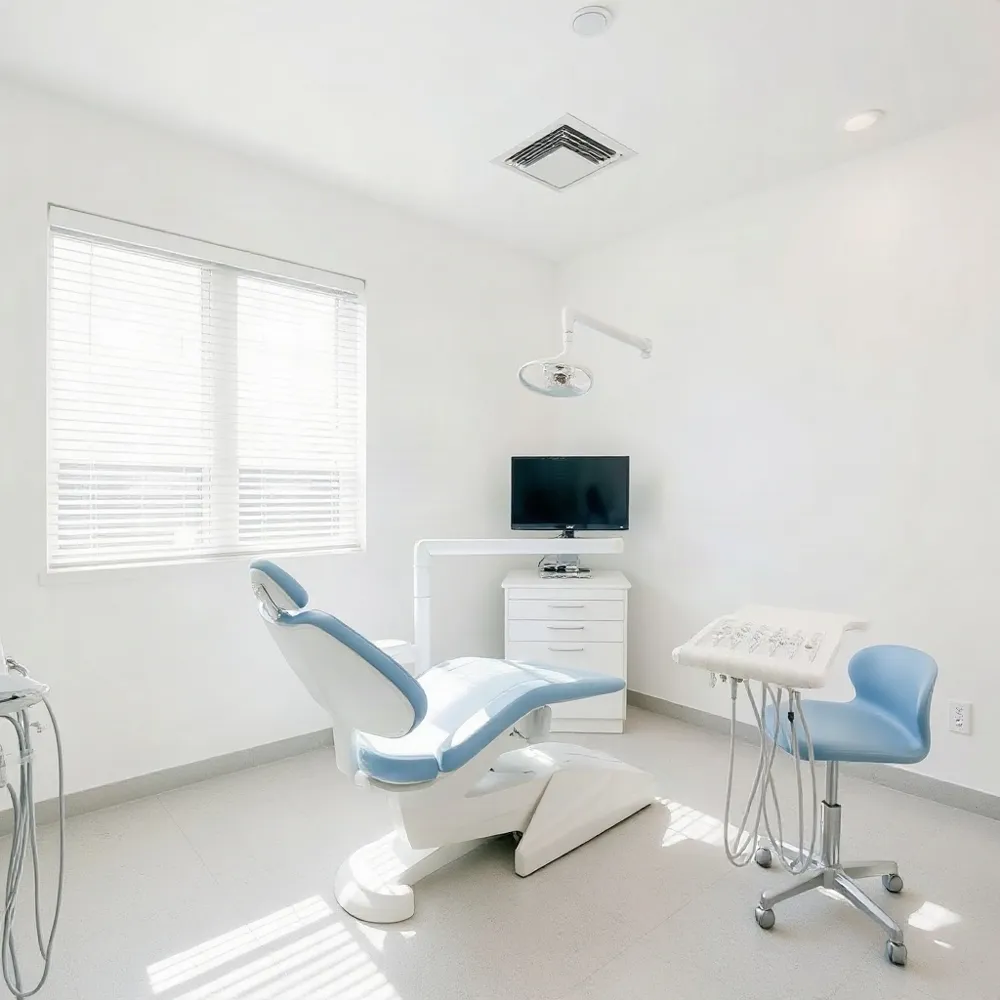
Why Early Detection Matters
Teeth and gums can develop problems before they hurt or look different at home. A routine checkup gives a dentist a chance to assess your mouth, discuss any changes, and identify concerns that may need attention.
An exam may include checking for decay, gum disease, and other changes, with X-rays when appropriate. The dentist can explain the findings and recommend next steps, from adjusting home care to arranging treatment. MedlinePlus explains what a dental exam may include.
Finding a concern early may allow for simpler care than waiting until it becomes more advanced. Regular visits do not prevent every dental problem, but they help patients and dentists respond sooner. At Ashley E. Burns, DDS in Midland, checkups support patient education and individualized care.
What a Dental Exam Can Reveal
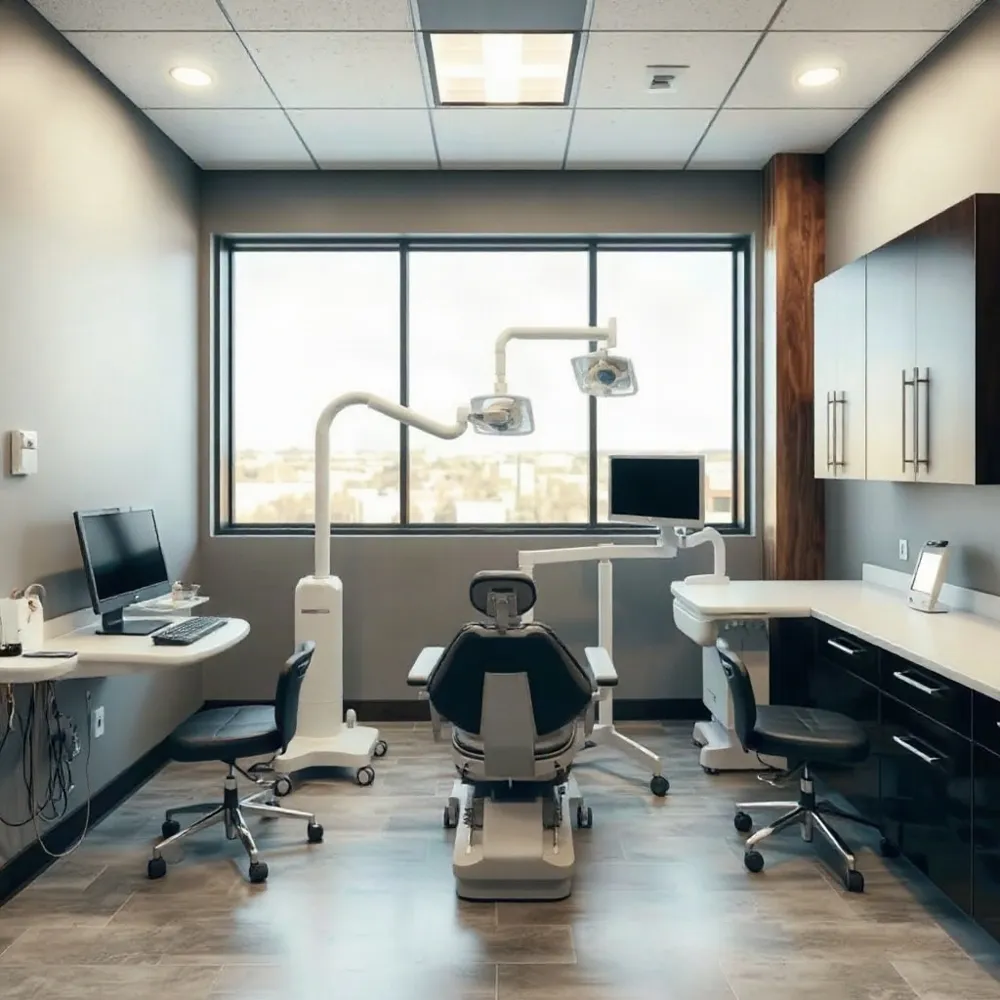 A routine dental exam starts with a conversation about your dental and medical history, medications, and any changes or concerns since your last visit. Sharing details such as new sensitivity or a recent medication change helps the dentist interpret what they see and tailor recommendations.
The dentist examines your teeth, gums, and mouth for signs of decay, gum disease, infection, and other concerns. They may also assess how your teeth fit together and check for changes in the soft tissues. A professional cleaning may happen during the same visit or be scheduled separately, depending on the practice and your needs. MedlinePlus describes the usual parts of a dental exam, including an examination and cleaning, with X-rays when appropriate.
Findings can include cavities, inflamed gums, a possible abscess, chipped or worn teeth, loose teeth, damaged fillings, discoloration, or bite concerns. Some changes are visible during the exam; others may need imaging or further evaluation before the dentist can make a diagnosis.
Dental X-rays may help investigate concerns that cannot be seen during a visual check, such as hidden decay or changes in the jawbone. They are not automatically needed at every visit. The dentist considers your oral health and history when deciding whether imaging is appropriate and how often it may be useful.
At ashleyburnsdds.com in Midland, the exam is an opportunity to discuss findings and recommendations in the context of your individual needs. Contact a dentist rather than waiting for a routine appointment if you develop tooth pain, swelling, bleeding gums, or another new symptom.
Choosing a Checkup and X-Ray Schedule
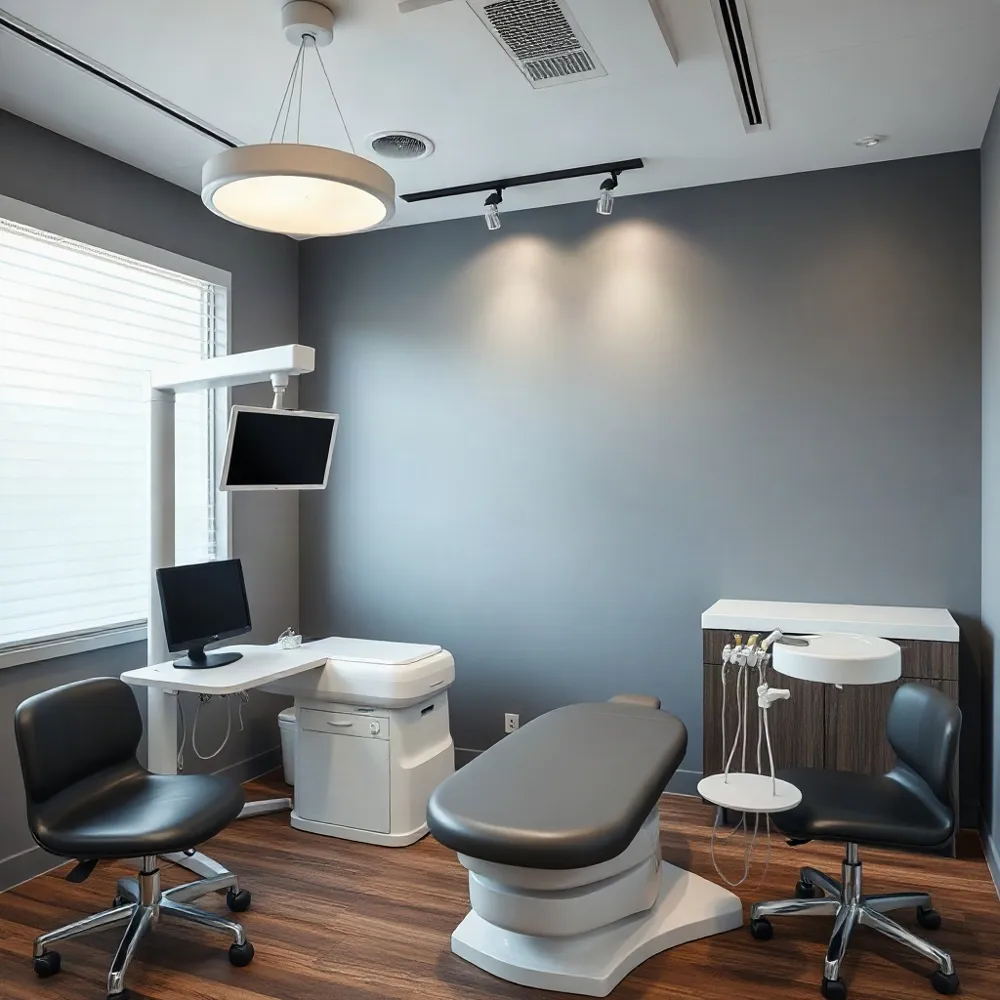 Many people have a dental checkup and cleaning about every six months, but that is a starting point, not a rule for everyone. The right interval depends on oral health, dental history, risk factors, and a dental professional’s advice. At Ashley E. Burns, DDS in Midland, the schedule should reflect the patient’s needs rather than a fixed calendar.
Gum disease, recurring cavities, certain health conditions, tobacco use, pregnancy, or medications that cause dry mouth may call for more frequent monitoring. Some people with stable oral health may be advised to come less often. A Cochrane review of dental check-up intervals found little to no difference in the adult outcomes studied between risk-based scheduling and six-monthly visits. That finding does not establish one schedule for every patient; individual circumstances still matter. For more on tailoring appointment timing, see how checkup and X-ray schedules can be individualized.
X-rays are not automatically needed at every appointment. A dentist considers your history, current oral health, symptoms, and likelihood of developing problems when deciding whether imaging is appropriate and when it should be repeated. Images can reveal hidden decay, gum disease, or changes in the jawbone that may not show during a visual exam, as MedlinePlus explains.
Ask why an image is recommended and how often it may be useful for you. If pain, swelling, or another new concern appears, contact the dental office instead of waiting for your next routine visit.
Prevention Between Dental Visits
 Preventive care works best as a partnership between regular dental exams, professional cleanings, and daily care at home. Each part supports the others: visits let a dental team monitor changes and tailor advice, while steady home habits help maintain oral health between appointments.
During a cleaning, a hygienist removes plaque and tartar that brushing and flossing may leave behind. Plaque can contribute to decay and gum problems, and once it hardens into tartar, it requires professional scaling to remove. Cleaning supports healthier teeth and gums, but it does not replace daily brushing and cleaning between teeth.
Preventive visits commonly include an examination and cleaning, with X-rays when a dentist considers them appropriate for the patient’s oral health. X-rays can show some concerns that are not visible during a visual exam, and the need for them varies. A dentist may also offer individualized guidance on brushing, flossing, and other habits. These elements are part of a routine dental exam, as described by MedlinePlus.
Fluoride helps strengthen tooth enamel and supports cavity prevention. Brushing with fluoride toothpaste is part of recommended daily care, while a dental professional may suggest an additional fluoride treatment or sealants based on a patient’s needs. Sealants protect the grooves of back teeth and are used mostly for children and teens, though some adults may benefit too. The CDC’s guidance on oral disease prevention also identifies fluoride varnish and sealants as cavity-prevention measures.
At Ashley E. Burns, DDS in Midland, preventive care includes regular exams and cleanings as part of comprehensive, patient-centered dental services. A dental team can discuss findings and practical home-care steps, then recommend follow-up suited to the patient. Small concerns may be easier to manage when found early, although preventive visits cannot guarantee that further treatment will never be needed. For more on how visits and daily habits work together, see the role of preventive dentistry and home care.
Protecting Teeth and Easing Dental Anxiety
Teeth can show wear over time, but age alone does not make chipping inevitable. Enamel wear, cavities, grinding or clenching, and older fillings may affect a tooth’s strength. At Ashley E. Burns, DDS, dental exams include checking for signs of tooth wear and discussing concerns; a dental exam can also assess teeth and gums for changes.
Avoid chewing ice or other hard objects, and use fluoride toothpaste as part of daily care. If a tooth chips or develops new sensitivity, contact a dentist for an evaluation rather than choosing treatment on your own. Information on protecting teeth from wear includes signs of grinding and clenching a dentist may assess.
Dental anxiety is fear, stress, or unease connected with dental visits or treatment. Concerns about pain, needles, drills, or past experiences can make appointments difficult, while delaying care may leave oral problems unaddressed. Tell the dental team what concerns you, ask for explanations and comfort options, and agree on a signal to pause. Slow breathing may also help; if anxiety makes attending difficult, ask about additional support.
Understanding Preventive Care Coverage
Many dental plans cover preventive care, often including routine exams and cleanings. Depending on the plan, coverage may also include X-rays, fluoride treatments, or sealants when appropriate. Some plans pay the full cost of covered services; others require a copay or leave part of the bill to the patient.
Coverage is not a guarantee that every related service or follow-up will be paid in full. Frequency limits, eligibility rules, network requirements, and costs vary. Before an appointment, review your benefits or contact your insurer to confirm what is covered. This guide to preventive care coverage offers further context.
At Ashley E. Burns, DDS in Midland, discussing coverage alongside your dental needs can help clarify what to expect. Preventive care, paired with an individualized visit schedule, supports timely attention to changes in oral health.
Make Early Care Part of Your Routine
Regular checkups can help identify concerns before they cause noticeable symptoms, but they cannot guarantee that problems will not develop. Ask your dental professional how your health history and oral health affect exam timing, and contact the office about new pain, sensitivity, or gum changes rather than waiting.
Between visits, brush twice daily with fluoride toothpaste and clean between your teeth regularly. A dental exam can complement these habits with an assessment and guidance suited to your needs.