
Care That Starts With Your Priorities
A dental treatment plan is more than a list of procedures. It connects examination findings with your concerns, goals, health history, and practical circumstances, so recommendations make sense for your life as well as your oral health. Patient-centered care recognizes that individual preferences and needs should inform clinical decisions, alongside professional judgment (patient-centred care).
When several concerns need attention, a clear plan can explain which problems may need prompt care, which can be scheduled later, and why. That order may depend on symptoms and clinical risks, while timing can also reflect your comfort, schedule, and priorities. At Ashley E. Burns, DDS, care is presented as patient-centered, with room to discuss concerns and understand recommendations before deciding how to proceed.
You can take part by asking about alternatives, likely benefits and risks, and what may happen if treatment is postponed. Shared decision-making brings the patient’s preferences and the available options into the conversation with the clinician’s recommendations (shared decision-making in dentistry). The goal is a plan you understand and can discuss, not simply a sequence of procedures.
What Patient Centered Care Means
 Patient-centered care means considering a person’s needs, preferences, concerns, values, and oral-health goals alongside clinical findings. The procedure is only part of the picture: comfort, appearance, chewing, anxiety, and the ability to fit care into daily life can all shape what matters to a patient. A patient-centred care study describes care as respecting individual preferences and values when making clinical decisions.
The dentist and patient contribute different but equally important information. The dental team explains what an examination shows and describes reasonable options in language the patient can understand. The patient can share concerns, ask questions, and explain priorities such as schedule, budget, accessibility, or communication needs. Clear, two-way discussion helps both sides understand the choices and their trade-offs, as outlined in a review of dentist-patient communication.
At Ashley E. Burns, DDS, the practice’s personalized treatment planning begins with a thorough, multifaceted assessment. That approach gives the dentist a basis for discussing a person’s circumstances alongside the clinical findings. Readers can also learn more about patient-centered care in dentistry.
Respecting preferences does not mean recommending every requested procedure. The dentist must also consider evidence, safety, and whether a treatment is clinically appropriate. Patient-centered care makes that reasoning part of an open discussion, so decisions reflect both professional judgment and what the patient values.
How Dentists Build an Individual Plan
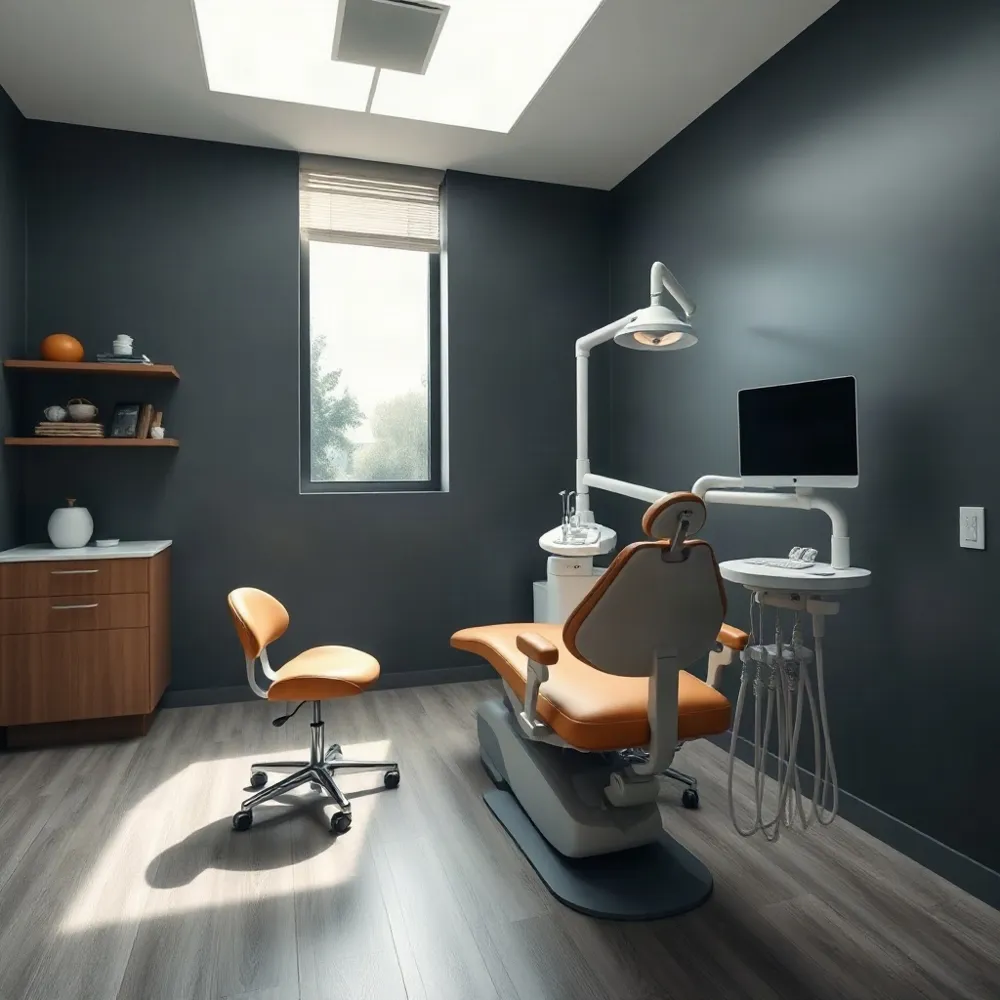 Planning starts with your reasons for seeking care, current concerns, and goals. Your dentist also reviews your medical and dental history, including conditions, medications, allergies, and previous treatment, because these details can affect recommendations and timing. This kind of assessment reflects the individualized approach described in personalized dentistry research.
The examination may include your teeth, gums, bite, jaw joints, and existing restorations. The dentist may recommend X-rays or other diagnostic images to look for concerns that are not visible during a visual examination. These findings are considered alongside your history and priorities, rather than treated as a complete picture on their own.
What does a soft-tissue examination check?
A soft-tissue examination is a direct visual and hands-on check of the lips, cheeks, gums, tongue, floor of the mouth, palate, and throat. The dentist looks and feels for changes such as sores, unusual patches or lumps, swelling, redness, or signs of infection.
X-rays show structures beneath the surface, including tooth roots, jawbone, and areas between teeth. They can help identify concerns such as decay or bone loss, but they do not replace an examination of the oral tissues. The two assessments complement each other. At Ashley E. Burns, DDS, a personalized plan begins with a broad assessment of the patient’s health and concerns, as described in the practice’s approach to customizing treatment plans.
After reviewing the findings, the dentist explains the diagnosis and discusses suitable options, their benefits, and possible timing. Recommendations may include referrals when needed. Complex cases can require additional evaluation before a plan is finalized, and reassessment may lead to changes as oral health or circumstances shift. Regular follow-up helps the dentist review progress and determine whether the plan still fits.
Why Treatment Order Matters
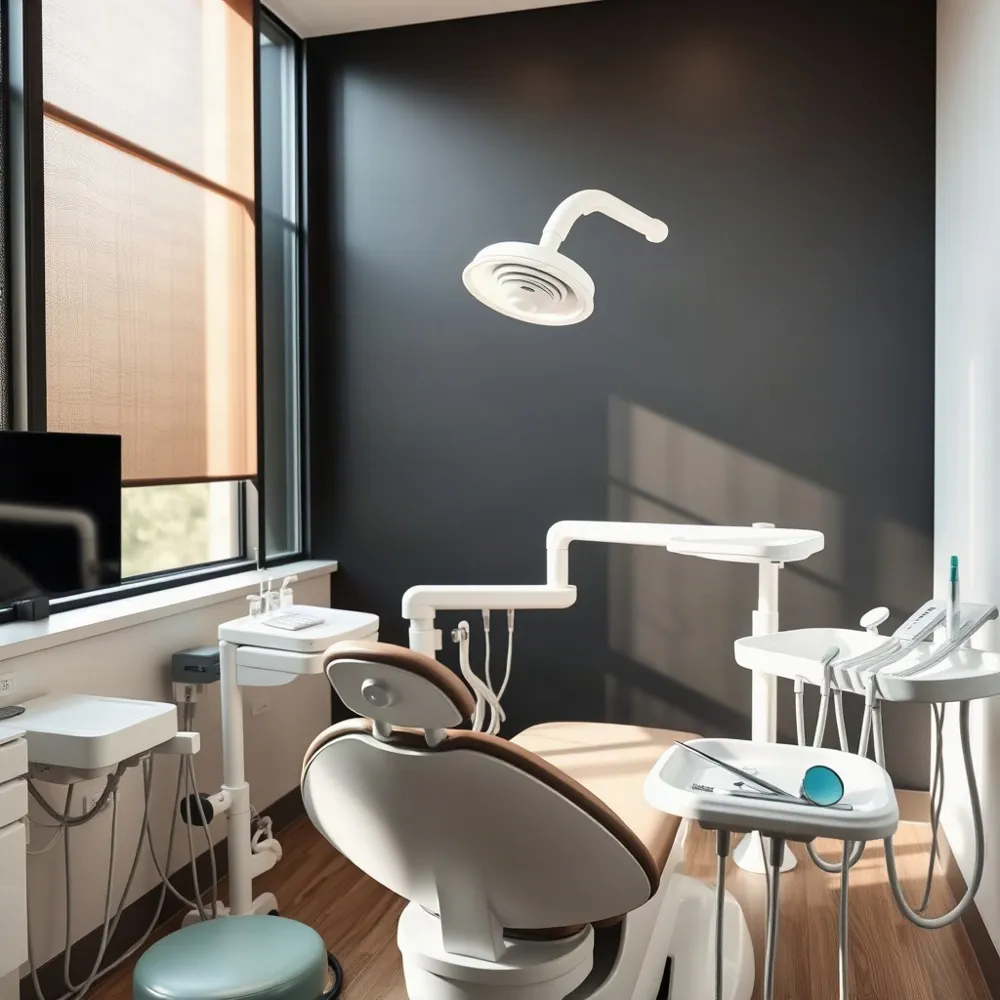 When several dental needs arise at once, the order of care can help manage immediate risks and protect later treatment. Pain, infection, trauma, or damage that may become irreversible is often addressed first. Active decay or gum disease may also need control before restorative work begins.
Functional concerns can affect the stability of the mouth. A cracked tooth, failing filling, missing tooth, or bite problem may need attention to limit further damage or protect how teeth work together. Cosmetic treatment is generally considered once health and function are stable, since untreated disease can undermine later results.
The sequence depends on examination findings, symptoms, medical history, and individual risk. A written treatment plan can set out recommended care and its order, estimated timing and costs, and the possible consequences of delaying a step. At Ashley Burns DDS's patient-centered treatment planning, recommendations begin with an assessment of the patient's circumstances and oral health.
Care may be phased across visits or over time, allowing patients and their dentist to discuss scheduling and financial constraints while keeping clinical priorities clear. Asking which concerns are urgent, what may safely wait, and what could change if treatment is postponed can make the plan easier to understand. The clinical logic behind treatment sequencing can help explain why urgent needs and active disease are commonly addressed before later restorative or cosmetic care.
Making Decisions Together
A treatment recommendation works best as the start of a conversation, not a decision made without the patient’s input. Shared decision-making brings clinical judgment together with what matters to the person receiving care. The dentist explains appropriate options, while the patient shares concerns, goals, preferences, and practical circumstances. This approach is described in research on shared decision-making in dentistry.
A useful discussion covers the expected benefits and risks of each option, likely outcomes, timing, and costs. It should also make clear which alternatives are reasonable and what may happen if treatment is postponed or declined. At Ashley E. Burns, DDS, patient-centered planning considers personal goals alongside clinical findings, so patients can ask how different approaches may fit their comfort, schedule, and budget.
Patients can ask what matters most to address first, which concerns can safely wait, and what trade-offs each option involves. X-rays, photographs, models, or written information may make details easier to understand. A 2024 review of dentist-patient communication describes clear explanations and attentive listening as parts of supporting informed decisions. Taking time to consider the information and return with questions can also help.
The plan need not remain fixed if health, circumstances, or dental findings change. The dentist and patient can revisit priorities and adjust the next steps together. Research supports the value of patient understanding and involvement, but it does not guarantee a particular treatment outcome. The aim is an informed plan that reflects both clinical needs and the patient’s values.
Understanding Consent Before Care
Informed consent is a conversation about a proposed procedure, not simply a signature on a form. Before deciding, make sure you understand what the treatment involves, why it is recommended, its expected benefits and material risks, and what reasonable alternatives are available. The American Dental Association’s guidance on consent also includes the option of not proceeding, with a discussion of its possible risks and benefits.
Ask what may happen if you postpone or decline care. Depending on the condition, waiting could allow a problem to worsen or affect later treatment, but your dentist can explain the specific considerations in your case. At Ashley E. Burns, DDS, a plan shaped around individual needs and goals gives patients a basis for discussing recommendations and their timing. You can also review what personalized dental attention can involve.
Request clarification whenever an explanation is unclear, and take time to consider complex choices. A written summary or visual aid may help you review the information after an appointment. Effective dentist-patient communication includes explaining options clearly and inviting questions, as described in a 2024 literature review.
Consent and documentation requirements can vary by procedure and state. Ask your dental team what applies to your proposed care and how your decision will be recorded.
A Plan You Can Understand and Revisit
A useful treatment plan explains what needs attention first, why it is recommended, and what may safely wait. Clinical judgment guides those recommendations, while your concerns, goals, and circumstances help shape a plan you can understand and consider.
At Ashley E. Burns, DDS, patient-centered care means making room for questions and discussing recommendations in relation to your needs. Clear, two-way communication can help patients understand their options and take part in decisions, as described in this review of dentist-patient communication.
Ask which treatment is most urgent, what alternatives are available, and what could happen if you wait. Review written recommendations at your own pace, and contact your dental team if symptoms or circumstances change. A plan can be revisited as your needs evolve.