The Clear Revolution in Orthodontics
Invisalign has emerged as the #1 doctor-recommended clear aligner system, based on a global survey of 1,786 dentists and orthodontists (IQVIA, 2022). This modern approach to straightening teeth offers a compelling alternative to traditional braces, especially for patients seeking a more discreet, comfortable, and convenient orthodontic experience. For residents of Midland, TX, Invisalign provides an opportunity to achieve a beautiful smile without the lifestyle disruptions associated with metal brackets and wires.
Why Invisalign Stands Out
Invisalign achieves tooth movement using a series of custom-made, removable aligners crafted from SmartTrack™ material. This proprietary thermoplastic is designed to deliver more predictable and gentle force application compared to older aligner technologies. The system is backed by over 25 years of clinical insights and has been used to create more than 22 million smiles worldwide.
Faster, More Comfortable Treatment
Many patients find Invisalign appealing because treatment can be faster than traditional braces. Clinical studies show that for mild to moderate malocclusions, results can be visible in as little as six months, and many cases finish up to five months sooner than with conventional braces. The aligners are also remarkably comfortable. Research indicates that teen patients report lower pain scores with Invisalign (average 6.5/9) compared to metal braces (average 5.1/9). The smooth, custom-fit trays minimize irritation to the gums and cheeks, a common complaint with metal brackets and wires.### Unmatched Convenience and Oral Health Benefits
The removable aligners offer lifestyle advantages. Patients can eat their favorite foods without restriction, maintain their normal brushing and flossing routine, and attend sports or play musical instruments without concern. This leads to significantly better oral hygiene during treatment, reducing the risk of plaque buildup, cavities, and gum disease that often plagues brace patients. Furthermore, the alignment provided by Invisalign can contribute to better chewing function and overall oral health by improving chewing and speech clarity, and reducing jaw pain and headaches associated with bite imbalances.### Fewer Office Visits and Fewer Emergencies
A common benefit appreciated by busy families in Midland is the reduced need for in-office visits. Since new aligners are typically changed every one to two weeks at home, Invisalign patients require fewer adjustment appointments than brace patients, with check-ups usually every six to eight weeks. This convenience is matched by reduced emergencies broken brackets or poking wires are virtually eliminated, saving patients time, money. The My Invisalign™ app further enhances the experience by allowing patients to track their progress, view upcoming aligner changes, and communicate with their dental provider from home.### A Personalized, Predictable Journey
Digital technology plays a central role in the Invisalign process. The treatment plan begins with a precise 3D scan of the patient’s teeth, which is used with ClinCheck® software to map every millimeter of movement. This simulation provides a preview of the expected final smile before treatment even begins. The SmartTrack™ material, combined with personalized, doctor-directed planning, ensures that precise forces are applied to each tooth, leading to predictable outcomes. This level of customization gives patients confidence in their treatment journey. At practices throughout Midland, practices like Smile Straight Orthodontics, Refined Orthodontics, and Basin Dentistry leverage these advanced digital tools to provide tailored care that fits seamlessly into modern lifestyles.
| Aspect | Invisalign Advantage | Patient Experience | Traditional Braces Experience | | --- | --- | --- | | Appearance | Virtually invisible, clear trays | Visible brackets and wires | | Comfort | Fewer sores and less pain | Frequent irritation from metal | | Treatment Speed | Often 12–18 months; results in 6 months | Usually 18–24 months | | Diet | No restrictions | Must avoid hard/sticky foods | | Oral Hygiene | Removable for easy brushing/flossing | Can trap food and plaque | | Office Visits | Every 6–8 weeks | Every 4–6 weeks | Every 4–6 weeks | | Patient Compliance | Must wear 20–22 hrs/day | Less dependent on patient |
Why Patients Are Switching: Comfort, Convenience, and Aesthetics
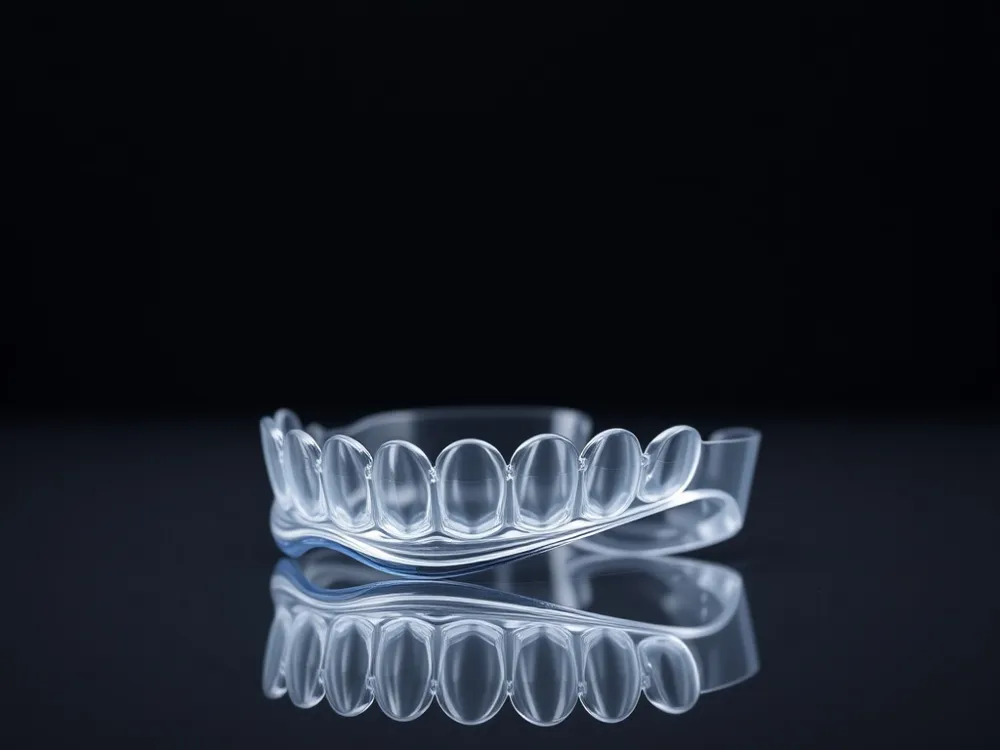 Making the choice between orthodontic treatments often comes down to balancing effectiveness with daily lifestyle. For many adults and teens, the clear advantages of Invisalign in comfort, convenience, and appearance are powerful reasons to switch from traditional braces. This section explores the specific benefits that drive this preference, from the virtually invisible aligners to the freedom of removable trays and fewer office visits.
A Discreet Path to a Straighter Smile
One of the most celebrated benefits of Invisalign is its virtually invisible appearance. Made from clear, medical-grade plastic material, the aligners are far less noticeable than metal brackets and wires. This discreet nature is a key factor for adults in professional settings and teens in social environments who want to straighten their teeth without drawing attention to their treatment.
The Freedom of Removability
Unlike fixed braces, Invisalign aligners are removable. This simple feature transforms the orthodontic experience in several ways:
- Better oral hygiene: You can take out the aligners to brush and floss normally, leading to less plaque buildup and a lower risk of cavities and gum disease compared to cleaning around brackets and wires.
- No dietary restrictions: Because the aligners are removed for eating, there are no forbidden foods. You can enjoy everything from apples and popcorn to sticky candy without concern for damaging the appliance.
- Active lifestyle: The trays can be taken out for sports, playing musical instruments, or any activity where braces could be a hindrance.
Enhanced Comfort and Reduced Pain
Invisalign aligners are made of smooth, medical-grade plastic, which eliminates the irritation to gums, cheeks, and lips often caused by metal brackets and wires. Clinical studies reinforce this comfort advantage. Teen patients using subjective pain scores (on a scale where 9 is maximum pain), teen patients with Invisalign reported an average score of 6.5/9, compared to 5.1/9 for those with traditional braces**. This data supports the experience of many patients who find the aligners significantly more comfortable.
Fewer Office Visits and Emergency Appointments
The digital nature of Invisalign treatment results in significant time savings. Because the entire series of aligners is pre-planned using 3D software, adjustments are typically made by simply switching to the next set at home. This leads to:
- Fewer scheduled appointments: Routine check-ups are often needed only every six to eight weeks, compared to monthly adjustments for braces.
- Reduced emergencies: The absence of wires or brackets that can break or poke means emergency appointments are roughly 80% less frequent for Invisalign patients.
Fast Results and Patient Satisfaction
For many patients often see visible changes in their smile within just a few weeks of starting treatment. For mild to moderate cases, treatment can be completed in as little as six months, and many cases finish an average of five months faster than traditional braces. This efficiency, combined with the comfort and aesthetic benefits, contributes to high satisfaction. Data indicates 96% patient satisfaction and a 90% worth-it rating from Invisalign users.
Real-World Views on Reddit and Other Patient Discussions
Online communities like Reddit reflect these real-world experiences. Users frequently mention the discreet appearance, the ease of cleaning teeth, and the convenience of fewer dental appointments as top reasons for choosing Invisalign. While some note that disciplining wearing the aligners for the required 20-22 hours per day can be a challenge, the overall narrative emphasizes a positive lifestyle improvement.
A Balanced View: Benefits and Considerations
When comparing Invisalign to braces, the following table outlines the primary advantages and some trade-offs:
| Feature | Invisalign Benefit | Traditional Braces Consideration |
|---|---|---|
| Aesthetics | Virtually invisible, discreet for work and social life | Metal brackets and wires are very noticeable |
| Comfort | Smooth plastic, less gum/cheek irritation; lower pain scores | Brackets and wires can cause sores; higher pain scores |
| Oral Hygiene | Removable trays allow normal brushing and flossing | Brushing around brackets is difficult, higher plaque risk |
| Diet | No food restrictions: removed for all meals | Must avoid hard, sticky, damaging foods |
| Appointments | Fewer office visits, typically scheduled every 6-8 weeks | Monthly adjustments and potential emergency visits |
| Effectiveness | Excellent for mild to moderate cases | Generally more effective for severe or complex issues |
| Cost | $3,000 - $8,000 (comparable to braces and often covered by insurance) | $3,000 - $7,000 |
In conclusion, the combination of a nearly invisible appearance, enhanced comfort, the freedom of removability, and fewer visits makes Invisalign a compelling option for patients seeking a modern and convenient orthodontic experience. These factors explain why so many patients are making the switch.
Real Results: Effectiveness, Speed, and Long-Term Oral Health
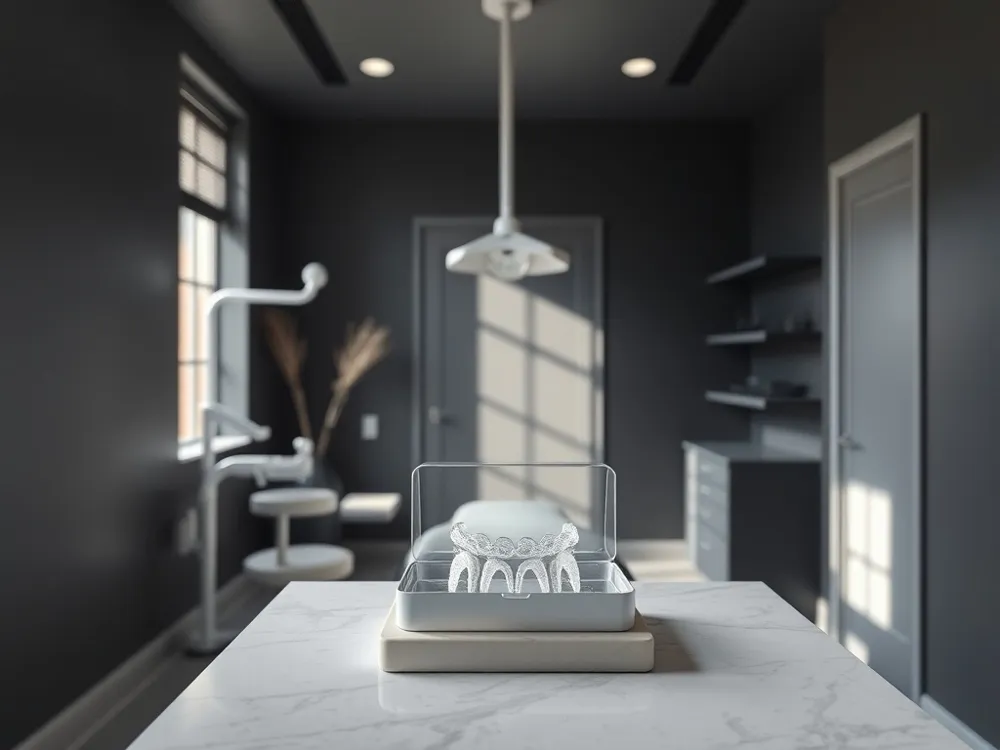
Invisalign vs Braces Effectiveness: Which One Works Better?
Both Invisalign and traditional braces are highly effective for straightening teeth and correcting most orthodontic issues, but the best choice depends on your specific needs. Traditional braces are the gold standard for severe crowding, complex rotations, or significant bite problems because they apply continuous, controlled force directly to the teeth. Invisalign is exceptionally effective for mild to moderate misalignment—such as crowding, spacing, overbites, underbites, and crossbites—offering the benefits of being virtually invisible, removable for eating and cleaning, and often more comfortable. However, Invisalign requires patient discipline to wear the aligners 20–22 hours daily for optimal results. For complex severe cases, braces may still be the recommended option.
Invisalign vs Braces: Which is Faster?
Invisalign is often faster than traditional braces for suitable cases. Typical Invisalign treatment for mild to moderate cases takes 6 to 18 months, while braces usually require 18 to 24 months. Some studies even show Invisalign finishes an average of 5 months faster than conventional braces. This speed advantage comes from efficient digital planning and fewer in-office adjustments. However, treatment duration heavily depends on your individual case complexity and how consistently you wear your aligners. For severe orthodontic issues, braces may be more effective and could achieve results in a comparable timeframe. A consultation with your dentist will determine the fastest and most effective option for your specific needs.
The Power of Digital Planning: Preview Your Smile Before You Start
Invisalign's advanced treatment process begins with a precise 3D digital scan of your teeth. Using proprietary ClinCheck® software, your dentist creates a customized, computer-aided simulation of every tooth movement required for your unique smile. This technology allows you to preview your final smile before treatment even begins, giving you a clear visual expectation of the outcome. The entire sequence of aligners is pre-designed, which means fewer in-office visits and a more predictable, efficient treatment journey.
Long-Term Oral Health Benefits of a Straighter Smile
Straightening your teeth with Invisalign does more than improve your appearance—it significantly enhances your long-term oral health.
| Oral Health Benefit | How Invisalign Helps | Impact on Your Health |
|---|---|---|
| Improved Oral Hygiene | Aligners are removable, allowing you to brush and floss normally without obstructions. | Reduces plaque buildup, lowering the risk of cavities and gum disease. |
| Reduced Gum Disease Risk | Straight teeth are easier to clean, eliminating hard-to-reach pockets where bacteria thrive. | Helps prevent gingivitis and periodontitis. |
| Alleviates Jaw Pain & Headaches | Correcting bite issues reduces strain on the jaw muscles and temporomandibular joint (TMJ). | Can relieve chronic jaw pain, headaches, and discomfort. |
| Prevents Premature Wear | Proper alignment ensures teeth meet correctly during chewing, preventing uneven wear and tear. | Protects tooth enamel and extends the life of your natural teeth. |
Invisalign Before and After: Real Transformations
Before and after photos of Invisalign patients typically show remarkable improvements. Before images often display crowded, misaligned, spaced, or rotated teeth, as well as bite issues like overbites, underbites, or open bites. After treatment, patients commonly achieve a straighter, evenly spaced smile with corrected bite alignment, often enhanced by optional teeth whitening or bonding. The aligners are nearly invisible throughout the process, making them a discreet alternative to braces. Treatment durations vary, with many cases completing in 6 to 12 months, depending on complexity. Individual results differ, but these transformations highlight Invisalign's ability to address a wide range of orthodontic concerns effectively.
Invisalign and Oral Hygiene: What You Need to Know
While Invisalign improves long-term oral health, it requires diligent care during treatment. Because the aligners create a barrier that limits saliva's protective effects, you must practice excellent oral hygiene—brushing after meals and flossing daily—to prevent plaque buildup. It's also essential to remove aligners before consuming anything other than water to avoid trapping sugars and acids against your teeth. Regular dental visits, including professional cleanings, help monitor your oral health throughout treatment. With proper care, Invisalign can lead to a healthier, more confident smile.
Breaking Down the Cost: Is Invisalign Worth the Investment?
How Does Invisalign Cost Compare to Traditional Braces?
The cost of Invisalign typically ranges from $3,000 to $8,500, making it comparable to traditional braces, which cost between $2,500 and $7,500 on average. The exact price depends on factors like the complexity of your case, treatment duration, and the provider's expertise. Many dental insurance plans cover Invisalign similarly to traditional braces, often providing up to $3,000 in orthodontic benefits, which can significantly lower your out-of-pocket expense. Flexible payment options are widely available, including Health Savings Accounts (HSAs), Flexible Spending Accounts (FSAs), monthly financing plans, and in-house payment plans, making treatment more accessible.
Is $5,000 a Lot for Invisalign?
$5,000 is a common cost for Invisalign, particularly for moderate to comprehensive treatment plans. Without insurance, the average price ranges from $5,000 to $7,000, so $5,000 falls at the lower end of that typical range. With dental insurance, your out-of-pocket cost could drop to between $1,000 and $3,500, depending on your plan's coverage. For milder cases, such as Invisalign Express or Lite, costs can be as low as $1,500 to $4,500, making $5,000 a higher expense by comparison. Ultimately, whether $5,000 is reasonable depends on your specific treatment needs and insurance benefits.
Is $6,000 Normal for Invisalign?
Yes, $6,000 is within the normal range for Invisalign treatment. The average cost typically falls between $4,500 and $6,000, influenced by case severity and the number of aligners needed. Factors like the complexity of misalignment and treatment duration can push costs toward the higher end. At Ashley E. Burns, DDS, we provide a detailed consultation to give you an exact quote based on your unique dental needs. Additionally, we offer flexible payment options, including monthly plans and HSA/FSA accounts, to make treatment accessible.
How Much Is Invisalign if You Already Had Braces?
If you already had braces, Invisalign is often less expensive because your teeth may have only shifted slightly, requiring minor corrections. Typical costs for these cases range from $1,200 to $2,400, as treatment time is usually shorter, often between 12 and 18 months. However, the exact price depends on your specific alignment needs and must be determined during a professional evaluation. Many dental insurance plans cover Invisalign similarly to braces, and financing options are available to make treatment affordable.
Invisalign vs Traditional Braces: Price Comparison
Invisalign generally costs between $3,500 and $7,500, while traditional braces range from $2,500 to $7,500. Many dental insurance plans cover both options similarly, often contributing up to $3,000 toward orthodontic treatment. Flexible monthly payment plans are commonly available from orthodontists to spread out the cost. Although Invisalign can be slightly more expensive upfront, its comfort, discretion, and convenience make it a valuable investment for many patients. The best choice depends on your specific orthodontic needs and budget.
Is Invisalign Worth It? Patient Satisfaction and Value
High patient satisfaction supports the value of Invisalign. According to RealSelf, 90% of Invisalign customers say the treatment is worth it, and a study in the Journal of Clinical Orthodontics reported a 96% patient satisfaction rate. The removable aligners make it easier to maintain oral hygiene, and many patients appreciate the virtually invisible appearance. When considering the cost, it's helpful to think about the long-term benefits: improved confidence, better oral health, and a reduced risk of dental issues. Many providers, including Smile Straight Orthodontics, offer flexible payment plans, including monthly installments and CareCredit, with promotions like 10% off the remaining balance or up to $1,476 savings for one-time payment. Your specific treatment plan and payment options will be discussed during a free consultation.
Breaking Down Cost by Case Complexity
| Treatment Type | Typical Cost Range | Description |
|---|---|---|
| Invisalign Express / Lite | $1,500 – $4,500 | For minor corrections, often completed in 3-6 months |
| Comprehensive / Full | $4,500 – $8,500 | For moderate to severe cases, 12-18 months |
| Retreatment (after braces) | $1,200 – $2,400 | For minor relapse after previous orthodontic treatment |
The cost varies by provider, geographic location, and the number of aligners needed. A consultation with a qualified Invisalign doctor is the best way to get an accurate cost estimate for your individual situation.
Expert Care in Midland, TX: Your Local Invisalign Provider
Top-Rated Invisalign Providers in Midland, TX
The Midland community enjoys access to several highly regarded Invisalign providers. Dr. Ashley E. Burns, DDS, offers Invisalign as part of a comprehensive orthodontic service menu. Her practice is known for patient-centered care, using modern technology to ensure efficient and comfortable treatment for both teens and adults.
Smile Straight Orthodontics is a family-oriented practice at 2817 W Loop 250 N, Suite E. They serve patients of all ages and are a certified Diamond+ Invisalign® Provider, having treated more Invisalign patients than 99% of other practices. The office features a theater and games for children. They provide free consultations, same-day start options, and flexible financing. Office hours are Monday through Thursday from 8:00 AM to 5:00 PM, and Friday from 8:00 AM to 12:00 PM.
Phillips Orthodontics operates two locations: 4425 W. Wadley Ste 100 in Midland and 901 N Grant Ave in Odessa. They are recognized as a top-rated provider focused on building lasting relationships and beautiful smiles. Their team uses advanced 3D imaging technology to create personalized treatment plans, visualizing the smile transformation from start to finish.
The Invisalign Fitting Process in Midland
Many patients wonder,Choosing Invisalign begins with a consultation. The process involves a digital scan or impression at your dentist's office. At the fitting appointment, the dentist may place small, clear attachments on specific teeth. These attachments help the aligners grip and apply precise pressure. A template aligner is used to bond the attachments quickly and painlessly. Then your first set of custom aligners is snapped into place. The dentist checks the fit and comfort, and provides instructions for wearing each tray 20 to 22 hours daily, changing to the next set every one to two weeks.
Digital Precision: iTero Scans and ClinCheck
Many Midland providers use a state-of-the-art iTero scanner for digital 3D scanning. This technology creates a detailed 3D digital model of your current smile. The scan is used to plan the entire treatment with ClinCheck treatment planning software. This software generates a computer-aided simulation of your tooth movements. It allows you to preview your future smile before treatment starts. The digital planning ensures predictable outcomes for your orthodontic journey.
Maintaining Your New Smile with Vivera Retainers
After Invisalign treatment, custom-made Vivera retainers are provided to preserve your new tooth positions. These retainers are crafted using the same 3D scanning and smart track technology as the aligners. They help maintain the results are designed to be durable and comfortable. You will need to wear retainers as directed to prevent relapse.
| Provider | Key Features | Availability |
|---|---|---|
| Dr. Ashley E. Burns, DDS | Comprehensive dental care, Invisalign, patient-centered | General practice |
| Smile Straight Orthodontics | Diamond+ Invisalign Provider, free consults, same-day start | Family orthodontics |
| Phillips Orthodontics | Top-rated, multiple locations, 3D imaging | Dedicated orthodontics |
Insurance and Financing for Invisalign
Many dental insurance plans cover Invisalign similarly to traditional braces, offering orthodontic benefits of up to $3,000. Most Midland providers offer flexible financing plans, FSA and HSA payment options, and work with insurance providers. Smile Straight Orthodontics provides free consultations and financing options to fit various budgets, making treatment accessible for many families.
Making the Right Choice: Invisalign for Adults and Common Concerns
Invisalign as an adult
Invisalign is an excellent option for adults seeking discreet orthodontic treatment, as the clear aligners are nearly invisible and can be removed for professional events or meals. Treatment is often faster than traditional braces—about 5 months quicker on average—and is the #1 doctor‑recommended clear aligner system. Adults can correct crowding, gaps, and mild bite issues, though severe cases may require alternative treatments. Success depends on wearing the aligners 20–22 hours daily, but the convenience and improved oral hygiene from straight teeth make it appealing. Additionally, many adults find Invisalign affordable through dental insurance, HSA/FSA funds, or flexible payment plans offered by providers.
Best clear alternative to braces
The best clear alternative to braces is Invisalign, the #1 doctor‑recommended clear aligner brand. Invisalign uses a series of custom-made, removable transparent trays made from SmartTrack material to straighten teeth more predictably and often faster than traditional braces. It is also generally more comfortable than braces, and you can remove the aligners to eat, brush, and floss normally. Other effective clear alternatives include ClearCorrect and Spark Aligners, which also use a series of clear trays. However, Invisalign is backed by over 25 years of innovation and millions of treated smiles, making it the most proven and widely available option.
Common patient concerns addressed
Many adult patients worry about compliance. For Invisalign to work, aligners must be worn 20–22 hours daily—removed only for eating, drinking (except water), and cleaning. This commitment is manageable for most people and essential for reliable progress.
Temporary speech changes, such as a mild lisp, are common when first starting treatment. This typically resolves within a week as your tongue adjusts. Some patients also experience cheek biting, tongue cuts, or general irritation from the foreign object in the mouth, though these issues often improve quickly.
Discomfort with new trays is normal. Each new set applies gentle pressure to shift teeth, and any soreness usually fades within a day or two. Over-the-counter pain relievers can help.
Allergic reactions to the aligner material are rare but possible. A skin test may be advisable if you have sensitive skin or known allergies.
Can I kiss my boyfriend with Invisalign?
Yes, you can absolutely kiss while wearing Invisalign. The aligners fit snugly against your teeth and won't shift or fall out. Your partner likely won't even notice them, as the clear plastic is discreet and comfortable. If you prefer, you can remove the aligners before kissing—just remember to wear them for 20–22 hours daily to stay on track.
Why Invisalign refinements?
Invisalign refinements are a normal part of the process when teeth need a little more time to shift into place. Think of refinements as an extra step to make sure your results are exactly what you expected. Many people need them, and they're simply an extension of treatment to perfect your smile.
Comparison with direct-to-consumer brands
Direct-to-consumer brands like SmileDirectClub, which filed for Chapter 11 bankruptcy and ceased operations in December 2023, offered at-home impression kits and remote monitoring without in-person visits. Patients had no professional check-ins to monitor progress or adjust treatment, leading to complications like ill-fitting aligners or improper tooth movement. ALIGNERCO is another direct-to-consumer option, but it still lacks the hands-on oversight of an in-office provider.
Professional, supervised care ensures safety and effectiveness. A dentist or orthodontist provides in-person evaluations, custom treatment planning, and ongoing oversight to avoid the risks associated with at-home-only aligner programs.
Alternatives to braces
| Treatment Type | Description | Key Features |
|---|---|---|
| Invisalign | Custom clear aligners made from SmartTrack material | #1 doctor-recommended; 22+ million treated smiles; removable; often faster than braces |
| ClearCorrect | Clear aligners using ClearQuartz™ trilayer plastic | Removable; treats mild to moderate issues; 6 to unlimited aligner sets |
| Spark Aligners | Aligners made with TruGEN™ material | Nearly invisible; BPA-free; less prone to staining; scalloped edges for comfort |
| Ceramic braces | Tooth-colored brackets and wires | Less noticeable than metal braces; same versatility as metal braces |
| Lingual braces | Brackets placed behind the teeth | Completely hidden from view; customized for perfect fit |
Why don't dentists recommend Invisalign?
Like any orthodontic treatment, Invisalign has its challenges and limitations. Some dental or anatomical conditions may be better suited to other approaches. For instance, patients with small or misshapen teeth may not get a secure fit, which compromises the effectiveness of treatment. Severe malocclusions, large gaps, or complex tooth rotations may still require traditional braces for precise control. A qualified orthodontist can evaluate your specific case to recommend the best option.
My dentist told me to eat with Invisalign
While some dentists may advise eating very soft foods with Invisalign to help you keep the aligners in longer, this goes against the official recommendation from Align Technology. Eating with aligners in can crack or warp the plastic, stain the trays, and trap food against your teeth, increasing the risk of cavities and gum problems. The standard and safest practice is to remove your aligners before eating or drinking anything other than water. This protects your treatment progress and oral health. If your dentist gave you different advice, it’s worth asking them to clarify the reasoning to ensure your treatment stays on track.
The Invisalign Advantage: A Healthier, More Confident Smile
Choosing the right orthodontic treatment is a significant decision. Modern dentistry offers an option that combines effectiveness with lifestyle convenience: Invisalign. As the #1 doctor-recommended clear aligner system, based on a global survey of dentists and orthodontists, Invisalign has transformed over 22 million smiles worldwide, proving it’s more than just a cosmetic choice—it’s a path to better oral health and lasting confidence.
Why Invisalign Stands Out
Invisalign aligners are virtually invisible, comfortable, and removable, making them a popular choice for adults and teens and adults. Unlike traditional braces, there are no metal brackets or wires to irritate your cheeks and gums. Because you can remove the aligners to eat, drink, brush, and floss, you can maintain your normal diet and oral hygiene routine. This often leads to fewer dental issues during treatment and a more pleasant overall experience.
For many patients, Invisalign delivers results faster than traditional braces. Mild to moderate cases can show visible changes in as little as six months, and on average, treatment finishes about five months sooner than with conventional braces. A typical treatment with metal braces ranges from 18 to 24 months.
A Personalized Journey Backed by Advanced Technology
Your Invisalign treatment plan is not one-size-fits-all. It begins with a detailed 3D digital scan of your teeth, which is used to create a custom sequence of aligners. Using the ClinCheck® software, your dentist maps out exact tooth movements and provides a preview of your final smile before treatment even starts. The aligners are changed every one to two weeks, gently shifting your teeth into their ideal positions.
| Feature | Invisalign | Traditional Braces |
|---|---|---|
| Appearance | Virtually invisible | Visible metal brackets and wires |
| Comfort | Smooth plastic; Smooth plastic, less irritation | Potential for mouth sores from wires |
| Oral Hygiene | Removable for easy brushing/flossing | Food can get trapped around brackets |
| Diet | No Diet Restrictions** | Yes (remove to eat) |
| Office Visits | Fewer (every 6-8 weeks) | More frequent (every 4-6 weeks) |
The Long-Term Benefits for Your Health
Straightening your teeth does more than improve your appearance. Properly aligned teeth are easier to clean, reducing the risk of plaque buildup, cavities, and gum disease. Invisalign can help correct bite issues like overbites and underbites, which in turn can reduce jaw pain, headaches, and uneven tooth wear. Research shows that patients using Invisalign often report less pain and discomfort than those with traditional braces. After treatment, you will wear custom Vivera retainers to preserve your new smile.
High Patient Satisfaction and Affordability
The proof of Invisalign's value is in the results. According to RealSelf, 90% of customers say the treatment is worth it. Patients consistently report increased self-esteem and confidence throughout and after treatment. While costs are comparable to traditional braces, many dental insurance plans cover Invisalign, often providing up to $3,000 in orthodontic benefits. Flexible payment options through Health Savings Accounts (HSAs) and financing plans make treatment accessible.
Take the Next Step in Midland, TX
If you are considering orthodontic treatment, a consultation with a qualified provider is the first step. Dr. Ashley E. Burns, DDS, located in Midland, TX, offers Invisalign as part of a comprehensive approach to modern dentistry. With advanced training and technology, Dr. Burns can create a personalized plan to help you achieve a healthier, more confident smile. Schedule a personalized consultation today to see if Invisalign is right for you.