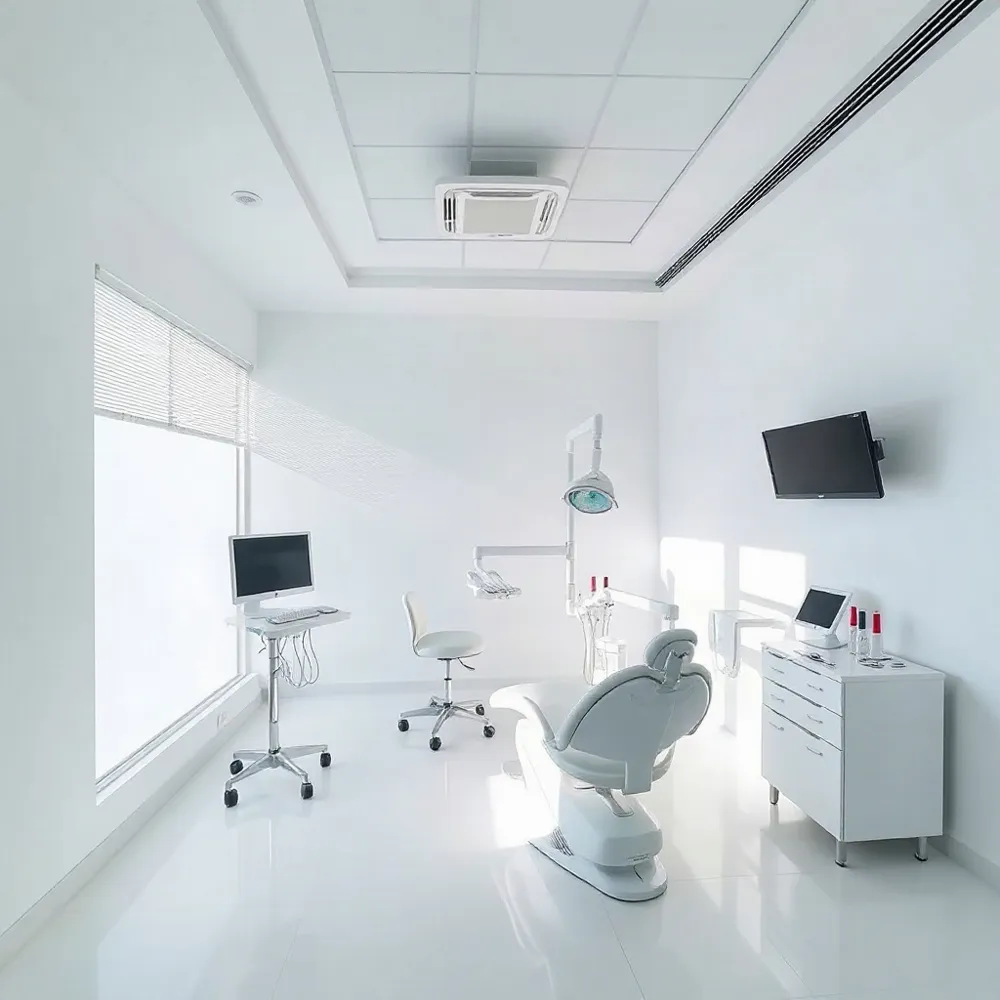
The Heart of Modern Dentistry
Strong dentist-patient communication is the backbone of patient-centered care. Research shows that trust and effective interaction directly influence how comfortable patients feel, how well they follow treatment plans, and whether they return for regular care. The ADA's guidance on the doctor-patient relationship emphasizes that clear, respectful communication helps patients feel heard and respected, which in turn improves both satisfaction and clinical outcomes. Below are the six essential elements that make communication truly effective in a dental practice.
Active Listening. Active listening means giving the patient your full attention, acknowledging their concerns, and asking clarifying questions. A dentist who listens well can identify a patient's fears or misunderstandings, which often lie beneath the surface. This practice builds trust because patients feel genuinely heard and valued, rather than rushed through an appointment.
Plain Language. Dental jargon like "occlusion" or "periodontal probing" can confuse patients and create anxiety. Using everyday language to explain diagnoses, procedures, and treatment options helps patients understand their situation clearly. This transparency reduces fear and empowers patients to make informed decisions about their oral health.
Two-Way Dialogue. Communication should be a conversation, not a lecture. Encouraging patients to ask questions and express their preferences makes them active participants in their own care. This collaborative approach aligns with patient-centered principles, where the patient's values and needs guide clinical decisions.
Nonverbal Cues. Body language, eye contact, and facial expressions convey warmth and empathy. A relaxed, open posture and a calm tone of voice help patients feel safe, especially those with dental anxiety. Nonverbal communication reinforces the message that the dentist cares about the person, not just the teeth.
Empathy. Empathy means recognizing and validating the patient's emotions, whether it's fear of pain or worry about cost. Acknowledging these feelings with phrases like "I understand this is concerning" builds a strong emotional connection. Research on the dentist-patient relationship shows that empathy is a key driver of trust and patient satisfaction.
Clear Explanations. Explaining not just what you're doing, but why, helps patients see the value of recommended treatments. When a dentist takes the time to walk through the steps of a procedure and the reasoning behind it, patients are more likely to feel confident and cooperate. This clarity also reduces the likelihood of misunderstandings or missed appointments.
These six elements work together to create a communication environment where patients feel safe, informed, and respected. A practice that consistently applies them, like Ashley Burns DDS, not only improves patient experiences but also strengthens the dentist-patient relationship over the long term.
Understanding Patient-Centered Dental Care
 Patient-centered dental care puts you, the patient, at the center of every decision. Instead of a one-size-fits-all schedule, your dentist designs treatment around your needs, preferences, and comfort. This approach improves communication, builds trust, and leads to better outcomes. According to a 2017 narrative review, patient-centered care in dentistry enhances both satisfaction and clinical results.
Understanding. The dentist takes time to explain your condition, options, and costs in plain language. You are not just told what to do; you are helped to understand why.
Respect. Your values, preferences, and concerns are honored. This includes everything from scheduling to treatment choices.
Collaboration. You and your dentist make decisions together. This shared decision-making is central to patient-centered care and increases your commitment to the plan.
Empathy. The dentist acknowledges your anxiety or discomfort and responds with compassion. This emotional support reduces fear and builds confidence.
Continuity. Care is coordinated across visits and providers. You do not have to repeat your story or juggle conflicting instructions.
The doctor-patient relationship is built on honesty and open communication. When you trust your dentist, you are more likely to follow through with treatment and preventive care. A study on patient trust found that trust reduces anxiety and leads to more regular visits.
Patient-centered care also extends to involving your family and friends when appropriate. They can help you understand treatment plans and support your recovery. This collaborative network makes dental care more comfortable and effective, as explained in the integrative approach to communication.
Essential Communication Skills for Dental Professionals
 When you sit in the dental chair, your comfort depends on more than the quality of the instruments or the precision of the technique. It hinges on whether your dentist truly hears you. Research published in the National Library of Medicine shows that effective dentist-patient communication directly improves patient satisfaction and treatment outcomes. For Midland families visiting Ashley Burns, DDS, this commitment to listening is woven into every appointment.
Listening goes beyond simply hearing words. It means understanding your concerns, your fears, and your expectations. A 2022 study in the peer-reviewed journal Healthcare found that patients often need to trust their dentist before they can fully engage in treatment decisions. The authors describe this as a "leap of faith" that dentists can bridge through attentive, empathetic communication. When your dentist takes the time to explain why a particular procedure is needed and what it will feel like, that leap becomes a small, manageable step.
This patient-centered approach is gaining recognition across the dental profession. The American Dental Association emphasizes that the doctor-patient relationship forms the bedrock of quality care. At the core of this relationship is a simple practice: ask questions, listen carefully, and respond with clear, jargon-free explanations. Whether you are a new patient or returning for a routine cleaning, your voice should be part of the conversation.
Why Patient Perceptions Shape Dental Outcomes
How you feel about your dentist can directly influence your oral health. Research compiled by CareQuest suggests that trust in the patient-dentist relationship correlates with better adherence to treatment plans and more consistent preventive care. Patients who trust their dentist are more likely to return for regular checkups, report symptoms early, and follow through with recommended treatments. This is why patient-centered care isn't just a philosophy; it's a practical strategy for better health.
A common misconception is that dentists are primarily concerned with procedures rather than people. In reality, modern dental practice recognizes that the most successful outcomes arise from a partnership. A narrative review in BMC Oral Health highlights how enhancing patient-centred care involves not only technical skill but also the ability to build a collaborative relationship. This includes acknowledging patient anxieties, validating their experiences, and involving them in shared decision-making.
Listening. Actively hearing a patient's concerns, fears, and goals—not just waiting for your turn to speak. This is the first step toward a trusting relationship.
Explaining. Using plain, non-technical language to describe diagnoses, treatment options, and what to expect during each step. Clear explanations reduce anxiety and empower patients.
Personalizing. Tailoring treatment plans to fit each patient's medical history, lifestyle, and comfort level. This makes care feel less like a one-size-fits-all checklist.
Following up. Checking in after procedures to answer questions, address concerns, and show that the care continues beyond the chair. This builds long-term loyalty.
When you search for a dentist who truly listens, you might notice that many practices advertise advanced technology or competitive pricing. But technology and price alone don't create trust. At Ashley Burns, DDS, the focus is on the human element. By pairing modern treatment with open communication, the practice ensures that every patient feels heard, respected, and confident in their care. This is the difference between a dental appointment and a positive health experience.
| Communication Practice | Patient Benefit | Example in the Chair |
|---|---|---|
| Active listening | Feeling understood | Repeating concerns back before planning treatment |
| Plain-language explanations | Reduced anxiety | Describing a filling using everyday terms |
| Shared decision-making | Greater buy-in | Offering options and letting the patient choose |
| Post-procedure follow-up | Ongoing trust | A phone call or text the next day to check in |
Why Effective Communication Matters for Quality Care
Patient-centered dental care repositions the patient as an active partner rather than a passive recipient of treatment. The approach dates back to the Institute of Medicine's 2001 definition of patient-centered care, which emphasized respect for patients' values, needs, and preferences. In dentistry, this philosophy has gained traction because of its measurable impact on satisfaction, treatment acceptance, and oral health outcomes. A 2024 narrative review in BMC Oral Health describes patient-centered care as placing "the patient at the centre of the health care process" and notes its association with improved treatment outcomes.
Scope. It covers the entire patient journey, from the first phone call and the reception experience to clinical treatment and follow-up. It extends beyond the chair to how your dentist communicates, explains diagnoses, and involves you in decisions, as outlined in this overview of dentist-patient communication.
Integration. It integrates emotional, social, and practical considerations with clinical needs. Your dentist considers your anxiety level, financial constraints, and lifestyle when recommending treatment. This approach is rooted in the doctor-patient relationship, which the American Dental Association describes as the foundation of ethical, effective care.
Intelligence. It draws on evidence-based dentistry, combining clinical expertise with current research and patient preferences. A mixed-method study on trust in the patient-dentist relationship found that trust is built through transparent communication and individualized care. This intelligent approach results in more accurate diagnoses and more appropriate treatment plans.
Patient-centered care also aligns with the person-centered care model taught in modern dental curricula, which emphasizes treating the whole person, not just the mouth. The FDI World Dental Federation supports this vision through its Partnering for Better Health initiative, recognizing that the dentist-patient relationship is central to achieving better oral health globally.
For patients, this means your dentist listens to your concerns, explains options in plain language, and respects your choices. For dentists, it means shifting from a prescriptive approach to a collaborative one. Research on patient-centered care in oral health highlights that when patients feel heard and involved, they are more likely to adhere to treatment plans and maintain regular visits. This connection between communication and personalized treatment is the reason patient-centered care is now considered a standard of quality, not a luxury.
| Aspect | Traditional Care | Patient-Centered Care |
|---|---|---|
| Patient role | Passive recipient | Active partner |
| Communication | One-way, technical | Two-way, plain language |
| Decision-making | Dentist decides | Shared decisions |
| Treatment planning | Standard protocols | Customized to patient |
| Outcome focus | Clinical results | Patient satisfaction and outcomes |
Embracing this model can transform your dental experience. When your dentist prioritizes your comfort and preferences, you are more likely to feel at ease, ask questions, and return for preventive care. The result is better long-term oral health and a stronger, more trusting relationship with your dental team.
Building Trust Through Shared Decision-Making
Patient-centered care in dentistry hinges on a collaborative relationship where you and your dentist make decisions together. This approach, known as shared decision-making, respects your values, preferences, and concerns. Rather than simply receiving a treatment plan, you actively participate in choosing the best path for your oral health. The American Dental Association emphasizes that a strong doctor-patient relationship is built on trust, communication, and mutual respect, which are essential for effective care.
At Ashley Burns DDS, this philosophy is central to every visit. The practice prioritizes patient-centered dental care, ensuring that you feel heard and involved in your treatment. Unlike traditional models where the dentist dictates the plan, the team here takes time to explain options, discuss pros and cons, and address your questions. This collaborative approach not only builds trust but also leads to better treatment outcomes, as you are more likely to adhere to a plan you helped create.
The Impact of Trust on Treatment Outcomes
Trust is the foundation of any successful dentist-patient relationship. Research shows that patients who trust their dentist are more comfortable, adhere better to treatment plans, and seek regular care. A 2024 study highlights that effective dentist-patient communication improves patient satisfaction and reduces anxiety. When you trust your dentist, you are more open to discussing symptoms and concerns, which allows for more accurate diagnoses and personalized treatments.
In contrast, a lack of trust can lead to delayed care, missed appointments, and poorer oral health. This is why building trust is a priority at Ashley Burns DDS. The team fosters a welcoming environment where transparent communication and compassion are standard. By explaining each step of the process and respecting your input, they ensure that you feel confident and informed, not just a passive recipient of care.
How Dentists Customize Treatment Plans
Customization is a hallmark of patient-centered care. Dentists at Ashley Burns DDS tailor treatment plans to your specific needs, considering factors like your dental history, lifestyle, and personal goals. This might involve offering multiple options for restorative procedures, discussing sedation for anxious patients, or adjusting appointment schedules to fit your routine. The goal is to create a plan that works for you, not just a one-size-fits-all solution.
This personalized approach is supported by research indicating that patient-centered care improves adherence and outcomes. A narrative review on enhancing patient-centered care in dentistry found that involving patients in decision-making increases their satisfaction and commitment to treatment. When you feel that your dentist understands your unique circumstances, you are more likely to trust their recommendations and follow through with care.
Transparent Communication as a Trust Builder
Transparent, jargon-free communication is another pillar of trust in dental care. The team at Ashley Burns DDS avoids confusing dental terminology and instead explains diagnoses and treatment options in plain language. This communication strategy ensures you understand what to expect, including costs, benefits, and potential risks. By asking for your preferences and feedback, they empower you to make informed choices.
Research underscores the value of this approach. A mixed-method study on trust in the patient-dentist relationship found that clear communication and shared decision-making significantly enhance trust. When dentists take time to listen and respond to your concerns, it fosters a sense of partnership that improves both your experience and your oral health.
The Role of Compassion in Dental Care
Compassion is at the heart of patient-centered care. It involves recognizing your fears and anxieties and addressing them with empathy. At Ashley Burns DDS, the team prioritizes compassionate care, creating a safe space where you feel valued and respected. This is particularly important for patients who have had negative dental experiences in the past.
A 2023 study on trusting the dentist highlights that compassion and emotional support are critical for patients who experience dental anxiety. By acknowledging your feelings and offering gentle, reassuring care, the practice helps you overcome fear and build lasting trust. This patient-centered philosophy not only improves your comfort but also encourages regular visits, which are essential for maintaining optimal oral health.
| Aspect | Traditional Care | Patient-Centered Care at Ashley Burns DDS |
|---|---|---|
| Decision-making | Provider-driven | Shared, collaborative |
| Communication | Jargon-heavy | Plain language, transparent |
| Treatment planning | One-size-fits-all | Customized to needs |
| Patient involvement | Passive | Active and empowered |
| Trust building | Implicit | Explicitly fostered |
Practical Tips for Patients and Parents
 For many children, the dental chair can feel intimidating. Long appointments, unfamiliar sounds, and past discomfort often create anxiety that follows them into adulthood. Parents play a central role in shaping how their kids experience dentistry, and small preparation steps can turn a stressful visit into a positive one.
A useful starting point is the 3-3-3 rule, a simple framework that families can adopt to keep children on track with their oral health. The first dental visit should happen by age one, or within six months of the first tooth appearing. From there, scheduling checkups every three months, brushing twice daily for three minutes, and limiting sugary snacks to three times a day helps build consistency. You can read more about how to adapt your dental care as your kids grow up for age-specific tips on making this routine work.
Why the 3-3-3 Rule Matters
Early and regular visits do more than catch cavities. They help children become familiar with the dental environment, reducing fear and building trust over time. Research on patient-centered care in dentistry highlights how a calm, communicative approach improves both comfort and treatment outcomes. When children understand what will happen during an appointment, they are more likely to cooperate and less likely to develop lasting dental anxiety.
Practical Steps for Parents
- Explain what will happen in simple, positive language before the visit. Avoid words like "pain" or "drill."
- Bring a comfort item, such as a favorite toy or blanket, to help your child feel secure.
- Schedule appointments at times when your child is well-rested and not hungry.
- Praise your child after the visit, focusing on their bravery and cooperation.
Parents who communicate openly with the dental team also set the stage for better care. Let the dentist know about any fears, sensory sensitivities, or previous negative experiences. This allows the team to adapt their approach, whether that means slower explanations, more breaks, or a gentler pace. For more on how clear communication builds trust, see how dental teams build trust through transparent communication.
At Ashley Burns DDS, we prioritize a warm, patient-centered environment for children and families alike. Our team takes time to explain each step, answer questions, and make sure every visit feels safe and supportive. By partnering with parents, we help kids develop healthy habits that last a lifetime.
A Partnership for Lifelong Oral Health
Trust doesn't materialize from a single interaction — it develops through repeated, predictable, and honest exchanges between patient and provider. A growing body of research highlights that trust in the patient-dentist relationship is built on communication, empathy, and consistency, not just clinical skill. When patients feel heard and respected, they are more likely to return for regular care and follow through on treatment recommendations.
At ashleyburnsdds.com, this relationship is nurtured through transparent, jargon-free communication and a genuine commitment to patient-centered care. Unlike practices that rush through appointments or prioritize production over connection, the team here focuses on understanding each patient's concerns and explaining every step of the treatment process. This approach aligns with the philosophy behind patient-centered dental care, which emphasizes compassion, dignity, and shared decision-making.
Communication. Clear, honest dialogue about diagnoses, options, and costs reduces anxiety and builds confidence. Studies show that effective dentist-patient communication is central to quality care and patient satisfaction.
Empathy. Acknowledging fears, past experiences, and individual needs signals that the patient is valued as a person, not just a set of teeth. This emotional connection fosters trust and loyalty over time.
Consistency. Delivering reliable, predictable care appointment after appointment reinforces trust. Patients know what to expect and feel secure in the provider's competence and intentions.
| Trust Factor | What It Means | Impact on Care | Example at ashleyburnsdds.com |
|---|---|---|---|
| Communication | Honest, clear explanations | Reduces anxiety, improves adherence | In-office discussion of treatment steps |
| Empathy | Understanding patient fears | Builds emotional connection | Personalized attention to comfort |
| Consistency | Reliable, predictable care | Reinforces loyalty | Regular follow-up and clear scheduling |