A New Standard in Tooth Replacement
Tooth loss can make everyday actions like eating, speaking, and smiling feel difficult. Traditional dentures have long been the standard solution, but they come with drawbacks: slippage, sore spots, and gradual bone loss in the jaw as the underlying bone no longer receives the stimulation it needs.
Implant-supported dentures offer a modern alternative. Instead of resting on the gums, they anchor directly to the jawbone using small titanium posts called dental implants. This design provides a stable foundation that prevents shifting and helps preserve the jawbone, much like natural tooth roots do.
This article explores the types of implant-supported dentures available, the step-by-step process for getting them, the expected timeline and cost, and the daily care they require. Understanding these factors can help you decide whether this advanced tooth-replacement option is right for you.
What Are Implant-Supported Dentures?
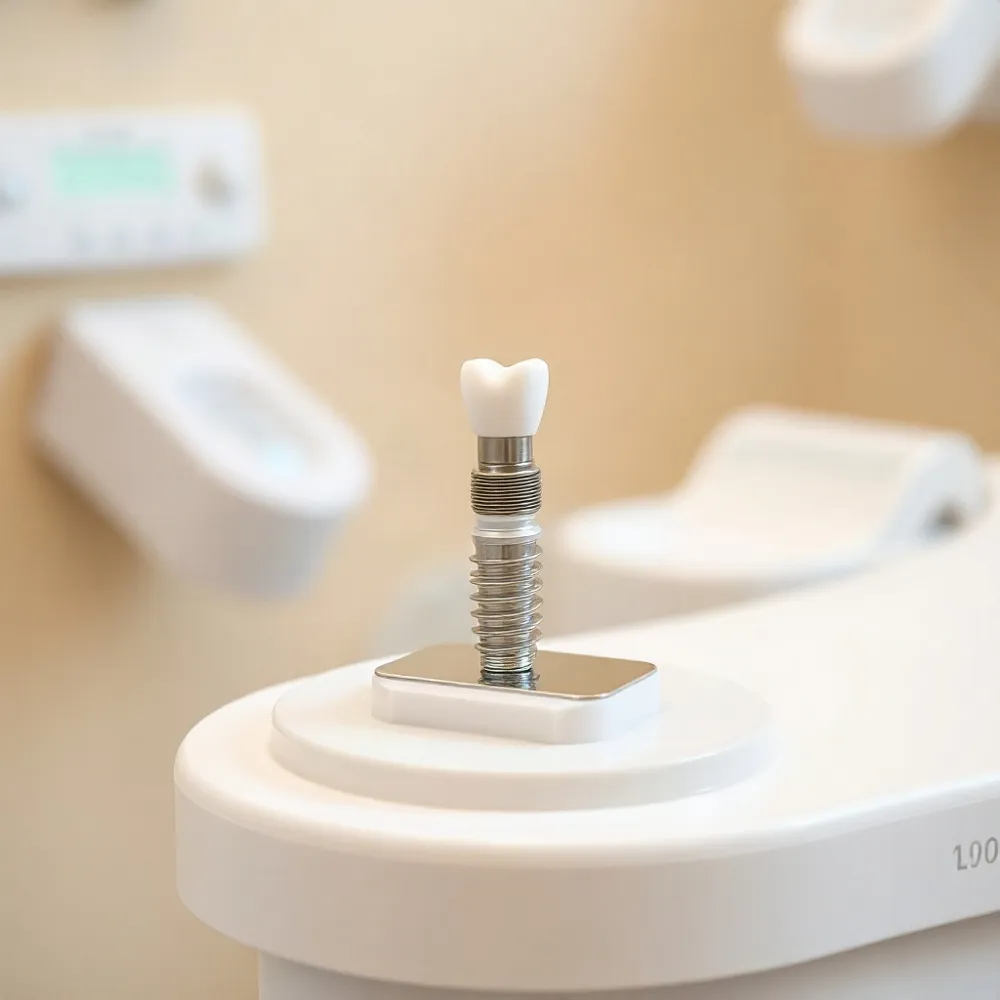 An implant-supported denture is a dental appliance that replaces multiple missing teeth. Unlike traditional dentures, which rest on the gums and rely on suction or adhesives for stability, this type of denture is anchored directly to the jawbone using small titanium posts called dental implants. These implants act as artificial tooth roots, providing a firm foundation that prevents slipping or wobbling during chewing and speaking.
This solution is designed for patients who are missing most or all of their teeth, including those with sporadic gaps. It can replace a full arch or a partial arch, depending on the individual's needs. The secure fit offered by implant-supported dentures often leads to greater comfort and chewing function compared to traditional options.
There are two main types: removable dentures that "snap on" to the implants and can be taken out daily for easy cleaning, and fixed (hybrid) dentures that are permanently attached and cleaned like natural teeth. For patients with adequate bone density, or those who can undergo bone grafting to build support, implant-supported dentures provide a lifelike and effective tooth replacement option that restores oral health and confidence.
Fixed vs Removable: Which Is Right for You?
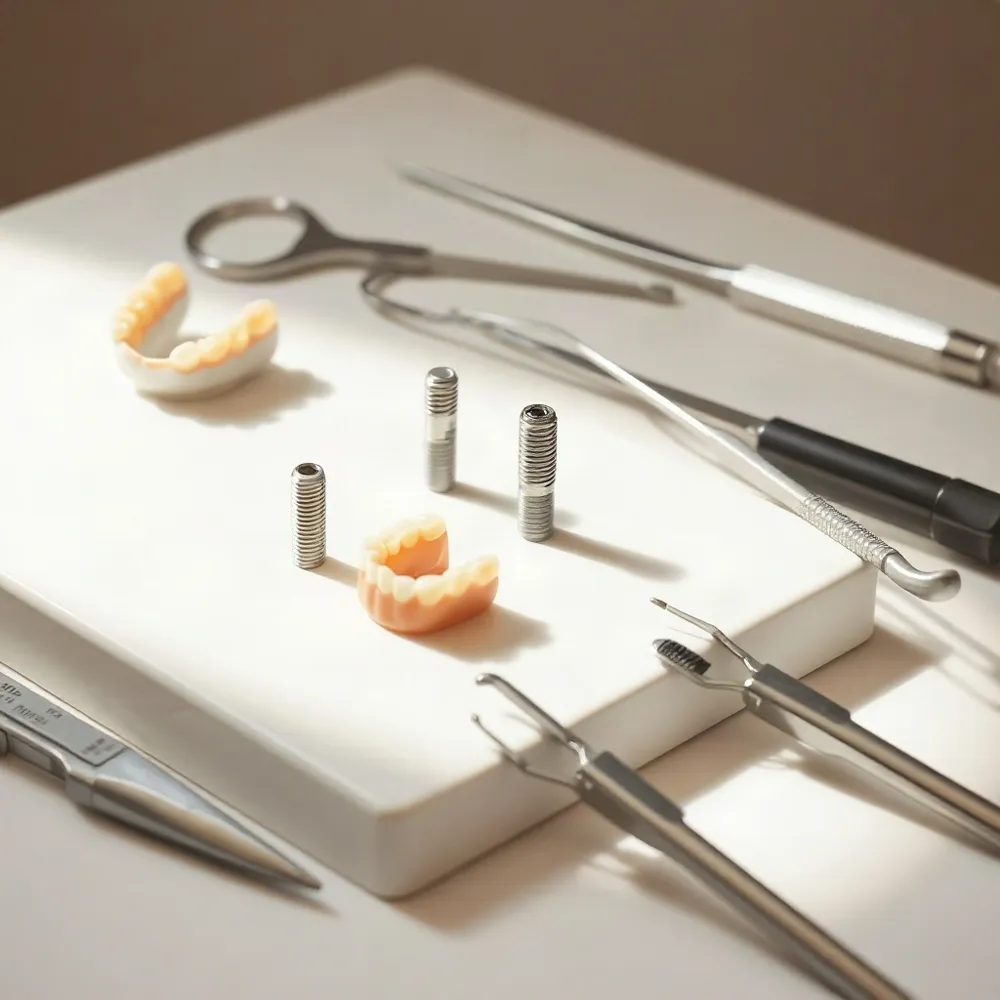 Implant-supported dentures come in two main designs: removable (snap-on) and fixed (hybrid). The choice depends on your bone density, daily habits, and long-term goals.
Removable (snap-on). These dentures snap onto dental implants and can be taken out daily for cleaning. The denture itself is soaked in a solution overnight, just like a traditional denture. Most implant-supported dentures use two implants for the lower jaw and four for the upper (though some patients qualify for as few as two above, depending on bone quality). The clasps in the denture, which are ball-retained (stud) or bar-retained attachments, need replacement every one to two years.
Fixed (hybrid). Permanently attached to the implants, fixed dentures can only be removed by a dentist for maintenance. You brush them like natural teeth and clean underneath with floss threaders or interproximal brushes. The All-on-4® technique is a specific fixed option that replaces a full arch with just four dental implants. Fixed dentures are often smaller and less bulky than removable ones because they do not rely on suction or extended flanges for retention.
Both designs require adequate jawbone density and volume. Patients with good bone health typically qualify for either option. If bone loss has occurred, a dental bone graft can add volume, which may make fixed dentures more appropriate, as they demand a strong foundation. Many traditional denture wearers upgrade to either style for better comfort and security.
Removable dentures are a good fit for those who want a simpler cleaning routine and a lower upfront cost. Fixed dentures suit patients who prioritize maximum stability, natural feel, and are comfortable with slightly higher expense and more involved daily cleaning. At ashleyburnsdds.com, our team helps you weigh these factors to choose the design that matches your needs.
Are Implant-Supported Dentures More Comfortable?
 For many patients, the difference in daily comfort between implant-supported dentures and traditional removable dentures is dramatic. Traditional dentures rest on the gums and rely on suction or adhesives for grip, which can lead to slipping, shifting, or wobbling during eating and speaking. Implant-supported dentures eliminate these issues entirely by anchoring directly to the jawbone, providing a stable foundation that feels secure and natural.
This superior stability is the primary reason patients describe implant-supported dentures as more comfortable. Because the denture is secured to dental implants that have fused with the jawbone, there is no movement against the gums during use. This reduces pressure points and gum irritation, allowing for a more comfortable wear throughout the day.
The comfort extends to everyday activities like eating and speaking. Traditional dentures restore only about 20-30% of natural chewing efficiency, which can limit diet and cause frustration. Implant-supported dentures, by contrast, can restore 60-70% of natural chewing ability, allowing patients to eat a wider variety of foods with confidence. The stable base also supports clearer speech, as the denture stays in a consistent position without shifting.
An additional benefit often overlooked is the elimination of messy adhesives. Traditional denture wearers often rely on pastes or powders to improve grip, which can have an unpleasant taste and require reapplication. Implant-supported dentures remove this need entirely, offering a clean, secure fit that many patients describe as feeling much more like natural teeth.
The Step-by-Step Process and Timeline
Pre-Prosthetic Surgery: Preparing the Jaw
The journey begins with pre-prosthetic surgery. Any decayed or damaged teeth are extracted, and if the jawbone lacks sufficient density, a bone graft is placed to build volume. After these procedures, patients typically heal for a few months before the next phase.
Implant Placement and Osseointegration
Next, the dentist places small titanium posts into the jawbone during implant surgery, usually under local anesthesia. This procedure takes about 90 minutes to two hours. Over the next three to six months, the implants fuse with the bone in a process called osseointegration, which is detailed further in our complete guide.
Uncovering the Implants and Making Impressions
Once osseointegration is complete, a minor second surgery may be needed to expose the tops of the implants. A healing cap is placed for 10 to 14 days. After that, the dentist takes precise impressions, which are sent to a dental lab to craft your custom denture.
Final Denture Placement and Recovery
The final step is attaching the custom denture to the implants, either with a snap-on mechanism for removable types or permanently for fixed types. Most people feel normal within one week after implant placement, and they can return to routine activities in two to three days. Once healed, patients can safely enjoy all their favorite foods.
Full Timeline Overview
The entire process typically takes six months to one year. The table below summarizes the key stages and their durations.
| Stage | Procedure | Timeline |
|---|---|---|
| Pre-Prosthetic | Extractions and bone grafting | A few months for healing |
| Implant Placement | Surgery to place titanium posts | 90 minutes to 2 hours |
| Osseointegration | Implants fuse with jawbone | 3 to 6 months |
| Exposure & Impressions | Uncover implants, take impressions | 2 to 4 weeks |
| Final Attachment | Attach custom denture | 1 to 2 visits |
Longevity and Cost: What to Expect
Investing in implant-supported dentures means understanding both their lifespan and the financial commitment. The underlying titanium dental implants themselves are designed to be a permanent foundation, often lasting a lifetime with proper care. The overdenture component that attaches to them typically needs replacement every 15 to 20 years, while the retention clips or attachments that snap the denture in place may require replacement every one to two years.
Understanding the Costs
The cost of implant-supported dentures varies widely based on factors like the number of implants needed, the materials used, and geographic location. On average, a single arch can range from $15,000 to $30,000 or more. This cost typically includes the surgical placement of the implants, custom abutments, and the final denture prosthesis. If your jawbone lacks sufficient density, bone grafting may add to the expense. Many offices, including ashleyburnsdds.com, offer flexible payment plans to help manage the investment.
Implant-Supported Dentures vs. Traditional Dentures Cost
Traditional dentures have a lower upfront cost, typically ranging from $1,500 to $6,500 per arch. However, they often require relining every two to three years and full replacement every five to 10 years, adding significant expense over time. Implant-supported dentures require a higher initial investment but, by lasting much longer and eliminating the need for adhesives and frequent replacements, often provide better long-term value.
For a personalized estimate and to discuss all available payment options, scheduling a consultation allows you to review a detailed treatment plan tailored to your needs and goals.
Weighing the Downsides and Risks
While implant-supported dentures offer significant advantages over traditional options, it is important to consider the potential downsides and risks before making a decision. The most significant factor is that the procedure is a surgery. Placing the titanium implants requires an oral surgery, which comes with standard surgical risks such as infection, nerve damage, or sinus perforation. After surgery, a healing period of three to six months is needed for the implants to integrate with the jawbone, a process called osseointegration, during which patients wear a temporary healing denture.
The initial cost of implant-supported dentures is also higher than that of conventional dentures, covering the surgery, components, and custom fabrication. However, this investment can be offset over time, as the implants can last a lifetime and the dentures themselves are more durable. At ashleyburnsdds.com, a thorough consultation and treatment plan are provided to ensure patients understand the full scope of the process and associated costs upfront.
Candidacy and Oral Hygiene Requirements
Implant-supported dentures are not suitable for everyone. Candidates must have adequate jawbone density and volume to support the implants; those with bone loss may need a bone graft before implant placement. Additionally, patients must be in good overall health — uncontrolled diabetes and smoking can significantly impact healing and implant success. As noted by the Cleveland Clinic, healthy gum tissue and a commitment to oral hygiene are essential to prevent complications like peri-implantitis.
Maintaining diligent oral hygiene is a long-term commitment. The implants and denture require daily brushing and flossing with specialized tools to remove plaque and bacteria, preventing inflammation and gum disease. While the upfront commitment is greater, many patients find that the resulting stability, comfort, and improved quality of life make the investment worthwhile.
Caring for Your Implant-Supported Dentures
Proper daily care is essential for keeping your implant-supported dentures functioning well and your oral tissues healthy. Clean dentures at least twice daily, just as you would natural teeth. Removable types should be taken out and soaked in a denture solution overnight to keep them fresh and free of debris.
For fixed dentures, use a soft-bristled toothbrush with nonabrasive toothpaste to brush all surfaces. Special tools such as floss threaders and interproximal brushes help clean underneath and around the prosthetic. Regardless of type, brush and floss thoroughly around each implant to prevent plaque buildup and gum inflammation. Regular dental visits for exams and professional cleanings help monitor your implants and overall oral health.
Recovery After Implant Surgery
After dental implant placement, most patients can return to routine activities in two to three days, though strenuous exercise should be avoided for at least 48 hours to minimize bleeding and discomfort. Contact your dentist if you notice severe bleeding, pain that does not improve with medication, signs of pus or infection near the implant site, or a fever of 101°F or higher.
A notable advantage of implant-supported dentures is that patients can sleep with them securely in place. The implants provide a stable anchor throughout the night, but cleaning both the prosthetic and gums before bed remains important. For personalized guidance on your nightly routine, Dr. Burns can offer recommendations during your visit.
Take the Next Step Toward a Confident Smile
Implant-supported dentures offer a combination of stability, comfort, and jawbone preservation that traditional dentures cannot match. Patients who make the switch often describe feeling more secure during daily activities like eating and speaking.
The first step is a consultation with your dentist to evaluate your jawbone density, overall health, and treatment goals. A personalized evaluation helps determine whether you are a candidate for implants or if bone grafting is needed to prepare your jaw.
Many traditional denture wearers successfully upgrade to implant-supported options, even after years of use. At Ashley Burns DDS, patients receive thorough guidance through every stage of the process, from initial assessment to final restoration.
The long-term quality of life benefits extend beyond oral function. Restored chewing ability, clearer speech, and a natural-looking smile all contribute to renewed self-esteem. Scheduling a consultation is the simplest way to learn how implant-supported dentures can restore your confidence.