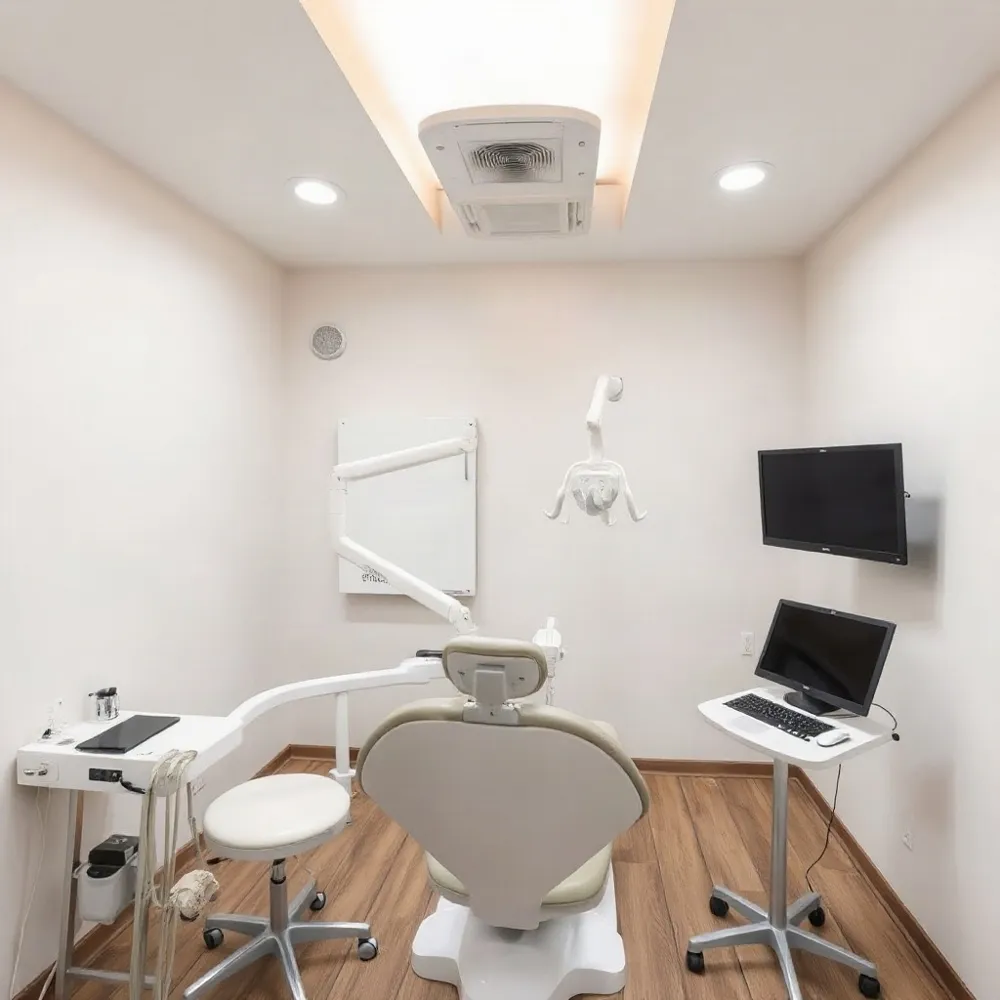
Prioritizing Oral Health Through Every Chapter of Life
Dental needs are not static, as oral health evolves significantly from early adulthood through the senior years. While habits like daily brushing with fluoride toothpaste and flossing remain the foundation of care, the risks patients face change over time. In your 20s, proactive prevention is essential, whereas patients in their 60s often require specialized strategies to manage root caries and medication-induced dry mouth.
At ashleyburnsdds.com, we emphasize that personalized care plans are necessary to address these shifts. Unlike generic one-size-fits-all advice, our approach at our Midland office focuses on adapting your routine to accommodate age-related changes, such as gum recession or reduced manual dexterity. Whether you require advanced technological interventions for complex restorations or simple preventive screenings, consistent professional monitoring ensures that minor concerns do not escalate into costly complications.
Maintaining a healthy smile requires more than home care; it demands a partnership with a provider who understands your specific life stage. By visiting ashleyburnsdds.com regularly, you ensure that your oral health strategy stays current with the latest clinical standards, supporting your overall quality of life as you age.
Essential Daily Habits for Lasting Dental Strength
 Consistency in oral care is the foundation for a lifetime of healthy smiles. At ashleyburnsdds.com, we emphasize that the most effective way to maintain strong teeth is through a rigorous, daily commitment to hygiene. This starts with brushing at least twice a day using fluoride toothpaste, which strengthens enamel and inhibits the plaque buildup that leads to decay. When you use a soft-bristled brush angled at 45 degrees toward the gum line, you effectively clear debris without causing unnecessary wear.
Brushing alone cannot reach every surface. Daily flossing is a non-negotiable step to dislodge bacteria from between teeth and beneath the gum line, where the World Health Organization notes that poor hygiene often leads to localized infection. For patients who find traditional manual floss challenging, we often recommend adaptive tools or water flossers as part of our personalized care plans.
What are the most effective ways to maintain healthy teeth and gums at home?
To maintain healthy teeth and gums, you should brush your teeth at least twice daily using fluoride toothpaste and a soft-bristled toothbrush angled at 45 degrees toward the gum line. Flossing once a day is essential to remove plaque and bacteria from areas your toothbrush cannot reach, such as between teeth and under the gum line. Incorporating tongue scraping and an antimicrobial rinse into your routine further helps reduce bacterial buildup, which is vital for preventing gum disease and protecting overall health. Supporting these habits with a balanced diet low in sugary snacks and maintaining proper hydration keeps your mouth clean and resilient. While these daily practices are the best preventive medicine, they should always serve as a supplement to regular professional examinations and cleanings at our office.
Dietary choices play an equally crucial role in protecting your smile. Limiting between-meal snacking on starchy or sugary foods reduces the frequency of acid attacks that erode enamel. Staying well-hydrated throughout the day helps rinse away food particles and stimulates saliva flow, which acts as a natural cleanser. As noted by researchers at the National Institute on Aging, maintaining these protective habits at home is the primary defense against the long-term wear and tear that can otherwise necessitate restorative intervention.
Understanding the 3-3-3 Rule for Routine Maintenance
 Consistency in oral hygiene is essential for long-term health, and the 3-3-3 rule serves as a straightforward framework to guide your daily efforts. What is the 3-3-3 rule for maintaining oral hygiene? This approach recommends brushing your teeth three times a day for at least three minutes per session to maximize plaque removal. At ashleyburnsdds.com, we often emphasize that while standard advice suggests twice-daily brushing, increasing the frequency of cleaning helps manage oral bacteria throughout the day. This is particularly important for patients who consume sugary or acidic items frequently.
The final component of this guideline involves scheduling a professional dental exam and cleaning every three months. While many practices suggest a standard six-month interval, more frequent professional cleanings allow us to monitor subtle changes in your gum tissue or enamel before they develop into complex issues. This high-frequency model is especially beneficial for patients managing chronic conditions or those at a higher risk for periodontal disease, as identified by the World Health Organization as a leading global health concern.
Integrating the 3-3-3 rule helps bridge the gap between home care and clinical oversight. By maintaining this rhythm, you provide a cleaner environment for your gums and teeth, which directly supports your systemic health. If you are uncertain whether your current routine is sufficient, our team at ashleyburnsdds.com can provide a personalized assessment to ensure your maintenance plan aligns with your specific risk factors.
Oral Health Challenges in Your 20s and 40s
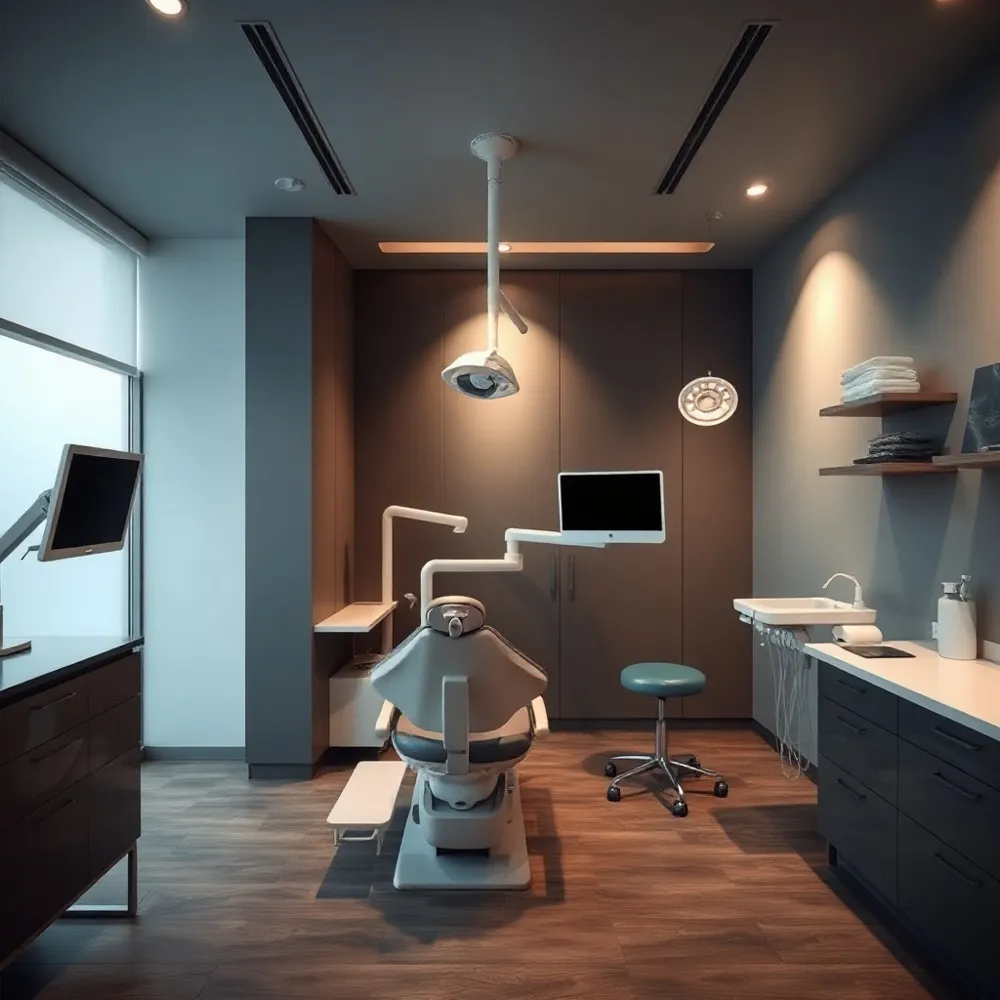 Young adulthood is a critical period for establishing habits that protect your smile for decades. During your 20s, frequent consumption of energy drinks and sugary coffee, combined with the rise of vaping, creates an environment where enamel erosion and gum inflammation can take hold quickly. While many clinics overlook these early warning signs, ashleyburnsdds.com emphasizes proactive preventive dental care to address these lifestyle impacts before they necessitate complex intervention.
Can psychological factors like anxiety affect dental health?
Yes, psychological factors like chronic anxiety can significantly impact your oral health. When you are anxious, your body often reacts with physical manifestations, such as bruxism, the unconscious grinding or clenching of teeth, which can lead to enamel wear, fractures, and jaw pain. Furthermore, high stress levels may disrupt your daily self-care habits, making it easier to neglect consistent brushing and flossing. Anxiety can also lead to changes in diet, such as an increased consumption of sugary comfort foods, which raises the risk of tooth decay and gum inflammation. At our Midland practice, we prioritize a patient-centered approach to help you manage these oral health challenges in a comfortable, supportive environment.
As you move into your 40s, the focus often shifts toward maintenance and the longevity of existing dental work. Hormonal fluctuations during this stage, particularly for women, can increase gum sensitivity and inflammation, making diligent care essential. Simultaneously, you may notice the natural limits of past dental procedures, as composite fillings typically have a lifespan of 7 to 10 years. Our team at ashleyburnsdds.com provides comprehensive oral care strategies that include thorough reassessments of these older restorations to identify micro-fractures or decay early. By catching these issues before they progress, we ensure your dental foundation remains solid throughout your middle years.
Navigating Dental Health in Your 60s and Beyond
As the population of older adults grows, with projections suggesting nearly 20% of the U.S. population will be 65 or older by 2030 according to the American Dental Association, dental care must evolve to meet specific physiological shifts. Maintaining a healthy, functional smile as you age requires a consistent daily routine of brushing twice and flossing once to prevent plaque buildup and periodontal disease.
Managing dry mouth caused by polypharmacy
Many patients take multiple prescription drugs to manage chronic conditions, a practice known as polypharmacy. Because medications for blood pressure, depression, and incontinence frequently list xerostomia (dry mouth) as a side effect, keeping the mouth hydrated is essential. At ashleyburnsdds.com, we recommend drinking plenty of fluoridated water and using sugarless gum to stimulate saliva flow, which acts as a natural cleanser against decay.
Addressing root decay and limited dexterity
Gum recession naturally exposes root surfaces, which lack the protective enamel found on the tooth crown, making them significantly more vulnerable to root caries. For individuals managing conditions like arthritis that hinder manual dexterity, we suggest switching to an electric toothbrush. These tools provide more consistent cleaning with less physical strain than manual methods, helping preserve your natural teeth for longer.
Prioritizing oral cancer screenings
The risk of oral cancer increases with age, particularly for those with a history of tobacco use. During your regular checkups at our practice, we perform thorough screenings to detect white or red patches that may require immediate attention. Regular professional cleanings are the final, essential pillar of care, allowing us to monitor for these changes and provide personalized interventions tailored to your evolving dental needs.
The Direct Link Between Oral and Systemic Health
Your mouth serves as a critical window into your general physical condition, and maintaining oral health is a vital strategy for protecting your systemic well-being. Emerging research underscores a powerful connection between dental inflammation and broader health outcomes, proving that the body acts as a single, integrated system.
What are common dental issues, and how do they impact quality of life?
Common dental issues, such as cavities, gingivitis, and periodontitis, can significantly diminish a person’s quality of life by causing chronic physical discomfort and hindering basic daily functions like eating and speaking. Beyond these immediate oral challenges, untreated conditions can lead to tooth loss and a noticeable decline in self-confidence, often affecting social interactions. Furthermore, the mouth serves as a window to the rest of the body; harmful bacteria from poor oral health can enter the bloodstream and trigger inflammation. This connection is linked to serious systemic concerns, including cardiovascular disease, diabetes, and respiratory issues. Prioritizing consistent dental care at ashleyburnsdds.com is therefore essential not just for a healthy smile, but for safeguarding your long-term overall well-being.
Cardiovascular Health. Chronic inflammation resulting from untreated periodontal disease is frequently associated with an increased risk of heart disease and stroke. At ashleyburnsdds.com, we emphasize that managing gum health is a preventative step that supports heart wellness by reducing the body's total inflammatory burden.
Diabetes Connection. A clear, bidirectional relationship exists between diabetes and oral infections. While uncontrolled blood sugar raises the risk of severe gum disease by 86%, active periodontal infections can make glycemic control significantly more difficult for diabetic patients.
Your Partner in Personalized Dental Care in Midland
Your dental needs change as you move through different life stages, from addressing habits in your 20s to managing age-related changes in your 60s and beyond. Proactive, personalized care ensures that you retain your natural teeth and maintain optimal health regardless of your age. At ashleyburnsdds.com, we focus on creating tailored strategies that adapt to these evolving requirements, moving away from a one-size-fits-all approach toward targeted clinical interventions.
Regular examinations are the most effective way to identify potential issues like root decay or gum recession before they escalate into complex, costly procedures. By maintaining consistent checkups at our Midland office, you gain access to professional monitoring and preventative dental habits that protect your systemic well-being. We invite you to schedule a consultation with our team to discuss a dental health plan designed specifically for you. Let us help you safeguard your smile through every chapter of life.