Modern Tools That Transform Your Dental Experience
For many people, a dental appointment triggers genuine anxiety. This fear often stems from past negative experiences, an anticipated loss of control, or the unfamiliar sounds of the operatory. The good news is that modern dentistry is designed to address these concerns directly.
Modern practices, including Ashley Burns DDS, combine comfort, efficiency, and precision. Where traditional approaches might rely on more intimidating procedures, today's technology focuses on gentle, efficient care. This shift is transforming the dental visit from a source of stress into a manageable, even positive, part of maintaining overall health.
Why Dental Procedures Are Often Feared
 Dental fear rarely comes from the procedure itself. For many patients, the anxiety is tied to specific triggers: the high-pitched whine of a handpiece, the unfamiliar vibration of a scaler, or the memory of a past experience that felt invasive. Research consistently shows that fear of pain is the leading driver of dental avoidance, ahead of embarrassment, loss of control, or the numbing injection itself. When the brain associates the dental chair with a loss of autonomy, it registers the situation as a threat even before the dentist picks up an instrument. That threat response is why simply saying "this won't hurt" is rarely enough to calm an anxious patient.
Recognizing these root causes changes how modern practices approach care. Instead of dismissing patient concern, dentists now use behavioral techniques and pharmacological tools to interrupt the fear cycle. This matters because unmanaged anxiety leads to delayed treatment, which often turns a small cavity into a root canal or an extraction. Breaking the cycle at the first sign of apprehension is the goal of modern, anxiety-aware dentistry.
The Psychological and Sensory Roots of Dental Fear
Dental anxiety has both evolutionary and experiential origins. The mouth is a highly sensitive, protective region of the body; when a foreign object enters it, the brain's defense mechanisms may interpret the sensation as a threat. Past negative experiences, especially those involving inadequate anesthesia, can create a conditioned response that persists into adulthood. Add in the dental chair's reclined position, which reduces a patient's sense of control, and the stage is set for heightened stress hormones like adrenaline and cortisol.
This physiological response is well documented. A 2017 review published in the journal Dental Hypotheses notes that dental anxiety affects an estimated 10 to 15 percent of the population, with severe dental phobia affecting 2 to 3 percent ("Dental Anxiety and Its Consequences". The fear is not something patients can simply "get over" through willpower; it requires a structured, empathetic approach.
How Numbing and Sedation Directly Counteract Fear
Modern numbness options work on both the mind and the body. Local anesthesia (commonly lidocaine or articaine) blocks the sensory nerve signals that transmit pain, while the added epinephrine prolongs the numbing effect, allowing the dentist to work comfortably for extended periods. For patients who have tolerated medication well, nitrous oxide provides a gentle, conscious sedation that reduces anxiety without putting the patient fully under.
Beyond the chemistry, the delivery method matters. Computer-controlled local anesthetic delivery (like the Wand) and topical gels can numb the injection site before the needle ever touches tissue. A 2019 study in the Journal of Dental Research reported that these techniques reduce pain perception by up to 80 percent compared to traditional injection methods ("Pain-Free Injections". Patients who once avoided the dentist because of fear are often surprised to find that the injection they dreaded is now barely perceptible.
Pain-Free Dentistry: An Overlooked Benefit of Modern Anesthesia
When most people think of "painless dentistry," they focus on the anesthesia itself. But the real value lies in what it unlocks: the ability to receive thorough, evidence-based care without a mental block. Procedures like deep cleanings, root canals, extractions, crowns, and fillings can now be completed under sufficient anesthesia to eliminate discomfort, allowing patients to keep their natural teeth longer.
Yet the pain-free philosophy extends beyond the injection. The Science Behind Painless Dentistry explains that the combination of precise, low-dose anesthesia with rapid-onset agents and warmer local anesthetics reduces both the pain and the spread of numbness. Patients report that their face, lips, and tongue do not become as heavy as they once did. The result is a more comfortable experience and a greater likelihood that patients will return for routine check-ups.
How Ashwin Burns DDS Uses Anesthesia to Transform the Patient Experience
At Ashwin Burns DDS in Midland, Texas, we understand that a negative experience in the chair can create a lifelong fear. That's why we pair advanced anesthesia with a patient-centered philosophy. Our dentists take the time to explain each step, offer a "stop and breathe" signal for anxious patients, and use modern anesthesia options to tailor the experience to each person's comfort level.
We also integrate the latest advanced dental technologies to complement our anesthesia approach. Digital impressions, laser diagnostics, and intraoral cameras allow us to catch issues early, which often means less extensive (and less uncomfortable) treatment later. When a patient knows that their dentist is committed to their comfort, the fear of the unknown fades, and the focus shifts to long-term oral health.
The Bottom Line: Knowledge, Communication, and Trust
Understanding why dental procedures are feared is the first step toward overcoming that fear. Once patients recognize that the anxiety is a natural response to specific triggers, they can work with their dentist to address those triggers directly. Whether it's through enhanced local anesthesia, nitrous oxide, or simply a slower, more communicative approach, the goal is the same: a pain-free, positive dental visit that supports overall health, not just dental health.
Precision Diagnostics for Accurate, Gentle Care
Modern dental technology has fundamentally changed what a visit feels like. Innovations in digital imaging, laser dentistry, and minimally invasive techniques mean less discomfort, faster procedures, and more predictable outcomes. For patients in Midland, TX, this translates into care that is both precise and gentle, with treatment plans built on detailed, three-dimensional views of your mouth.
One of the most impactful advances is the shift from traditional film X-rays to 3D cone beam computed tomography (CBCT). This technology provides a complete, high-resolution image of your teeth, roots, and jaw in a single scan. It improves diagnostic accuracy, helps detect issues that standard X-rays might miss, and guides precise treatment planning. As a result, procedures are planned around your unique anatomy, reducing surprises and improving overall comfort.
The Evolution of Dental Imaging
Traditional two-dimensional X-rays have long been a dental staple, but they have limitations. They can miss hidden fractures, early-stage decay, or the exact position of a nerve. Three-dimensional imaging addresses these gaps by providing cross-sectional views that let your dentist see the entire structure in detail. This enhanced visualization supports more accurate diagnosis and helps avoid complications during treatment.
Precision. Advanced 3D imaging allows for exact measurement and placement, whether you're getting a crown, implant, or root canal. Every procedure is tailored to the specific contours of your mouth, minimizing adjustments and improving fit.
Comfort. Advanced dental technologies, including lasers and quieter, faster tools, reduce discomfort and anxiety. Many treatments are now minimally invasive, requiring less drilling and leading to quicker recovery times.
Efficiency. Digital impressions and same-day restoration options cut down the number of appointments. What once took multiple visits can often be completed in a single session, saving you valuable time.
These advantages are why so many patients in Midland now seek out a practice that invests in the latest tools. At Ashley Burns, DDS, the focus is on integrating modern technology to improve every step of your care. From the initial consultation to the final restoration, you benefit from a practice that prioritizes accuracy and your comfort. Whether you're exploring digital imaging or advanced laser dentistry, the goal remains the same: gentle, effective treatment that keeps you smiling.
Painless Procedures and Advanced Laser Technology
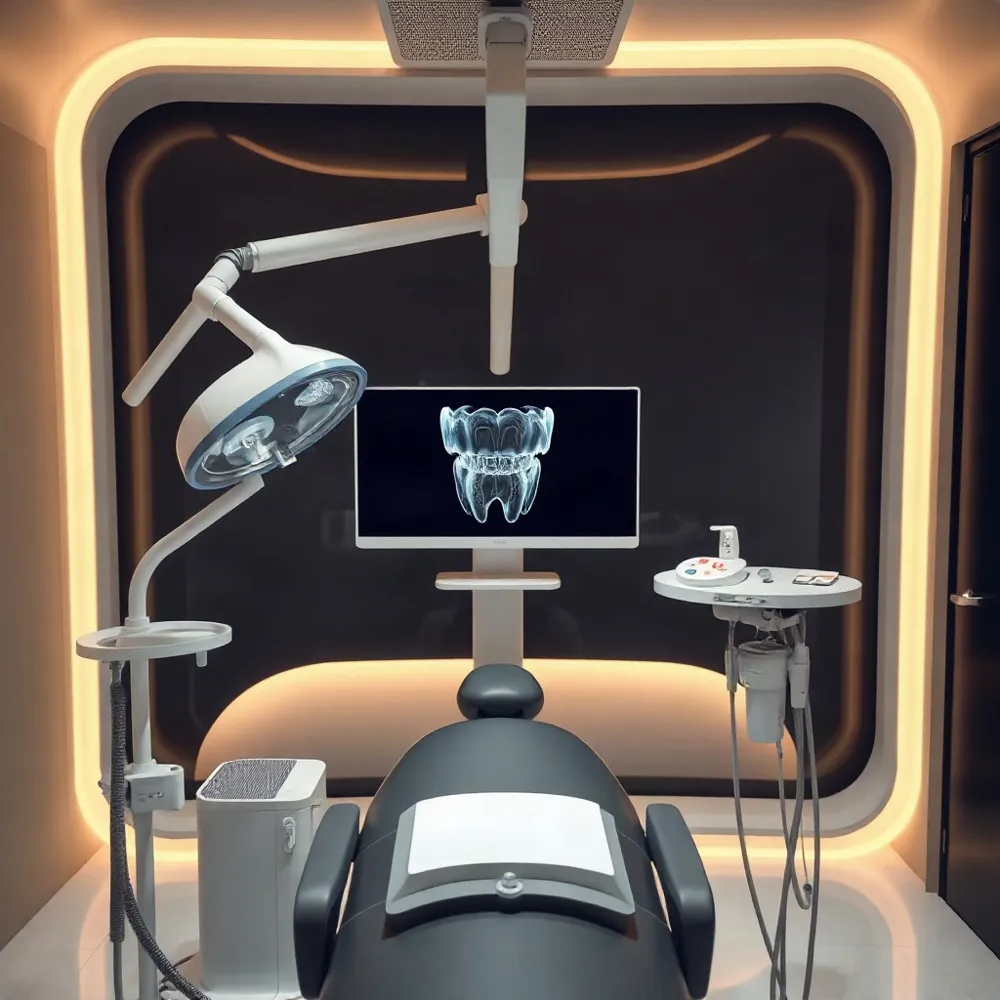 Modern dentistry has moved far beyond the traditional drill-and-wait experience. Advanced tools now make procedures faster, quieter, and significantly more comfortable, allowing patients to relax during their visits. At Ashley Burns, DDS, we integrate these innovations to ensure your care is gentle, precise, and virtually pain-free.
The Shift Toward Painless Dentistry
Historically, dental visits carried a reputation for discomfort and anxiety. However, modern techniques have changed that. Technologies like advanced laser dentistry and precise digital impressions minimize tissue trauma and reduce the need for traditional, more invasive tools. As described in how laser dentistry works, these methods target only the affected areas, preserving healthy tissue and reducing post-treatment soreness.
- Laser dentistry for gum treatment and whitening reduces bleeding and swelling while minimizing discomfort.
- Digital impressions replace messy, uncomfortable molds with a quick, painless scan.
- Advanced imaging provides precise diagnostics, so treatments are less invasive and more efficient.
For patients who still feel nervous, options like sedation and gentle techniques further ease anxiety. As painless dentistry techniques show, combining these methods with anesthesia and relaxation protocols helps even the most anxious patients remain calm and comfortable throughout their appointments.
Technology That Prioritizes Your Comfort
The latest advanced dental technologies are designed with patient experience in mind. For example, intraoral cameras allow you to see what your dentist sees, building trust and reducing uncertainty. Similarly, laser dentistry enables precise, minimally invasive treatment of gum disease and other conditions with faster healing and less discomfort compared to traditional methods.
At Ashley Burns, DDS, we're committed to making every visit as pleasant as possible. From the moment you sit in the chair, we focus on your comfort, using the latest tools to deliver treatment that is both effective and kind to your oral health. Whether it's a routine cleaning or a complex procedure, you can trust that your comfort remains our top priority.
From Molds to Digital Impressions
For decades, getting a dental crown meant biting into a tray of putty-like impression material that could trigger gagging and leave an unpleasant taste. Today, many practices, including Ashley Burns, DDS in Midland, TX, use digital scanners that capture detailed 3D images of your teeth in seconds. This shift is not just about convenience; it directly affects the accuracy, comfort, and speed of your treatment.
Traditional molds have a significant weakness: they rely on physical materials that can distort as they set or while being removed. Studies show that up to 10% of conventional impressions have visible defects, leading to ill-fitting restorations and the need for re-makes. Digital impressions eliminate this variability by creating a precise, virtual model of your mouth that is immediately available for analysis and restorations.
Comfort and Convenience You Can Actually Feel
The most immediate benefit patients notice is comfort. Digital scanners replace the bulky, gooey material with a small, wand-like camera. There is no tray to bite into, no bitter paste, and no prolonged gagging. For a practice that prioritizes patient-centered care, this means less anxiety for you and a more relaxed visit, especially if you have a sensitive gag reflex.
Beyond comfort, the process is remarkably fast. A full digital impression can be captured in a few minutes, compared to ten or more minutes for a traditional mold. This time savings extends your appointment, reduces the chair time you spend with your mouth open, and gets you closer to your final crown sooner.
Greater Accuracy for Better-Fitting Restorations
For the dental team, this accuracy also allows for better direct communication with the dental lab. Instead of shipping a physical model, your doctor sends a digital file instantly. This reduces the risk of errors in the fabrication process and shortens the turnaround time for your final restoration, meaning fewer visits and less time in a temporary crown.
What This Means for Your Next Visit
Speed. Digital impressions are captured in minutes, reducing chair time and getting you closer to a finished crown in a single visit.
Comfort. No gooey, gag-inducing material. The wand-like scanner is gentle and well-tolerated by patients with sensitive mouths.
Precision. The 3D model is exact, minimizing remakes and ensuring a better fit, which reduces the chance of future issues like decay at the margin.
This technology is a standard part of how practices like Ashley Burns, DDS in Midland, TX are redefining patient care. By choosing a provider who invests in digital workflows, you are choosing accuracy, comfort, and efficiency.
| Aspect | Traditional Molds | Digital Scanning |
|---|---|---|
| Process | Gooey material, bite tray | Wand scanner, no tray |
| Time | 10+ minutes | Under 2 minutes |
| Accuracy | Potential for distortion | High precision, 3D accuracy |
| Patient Comfort | Gagging, bad taste | Comfortable, no gagging |
| Appointments | Often multiple visits | Often single visit |
Smart Solutions for Replacing Missing Teeth
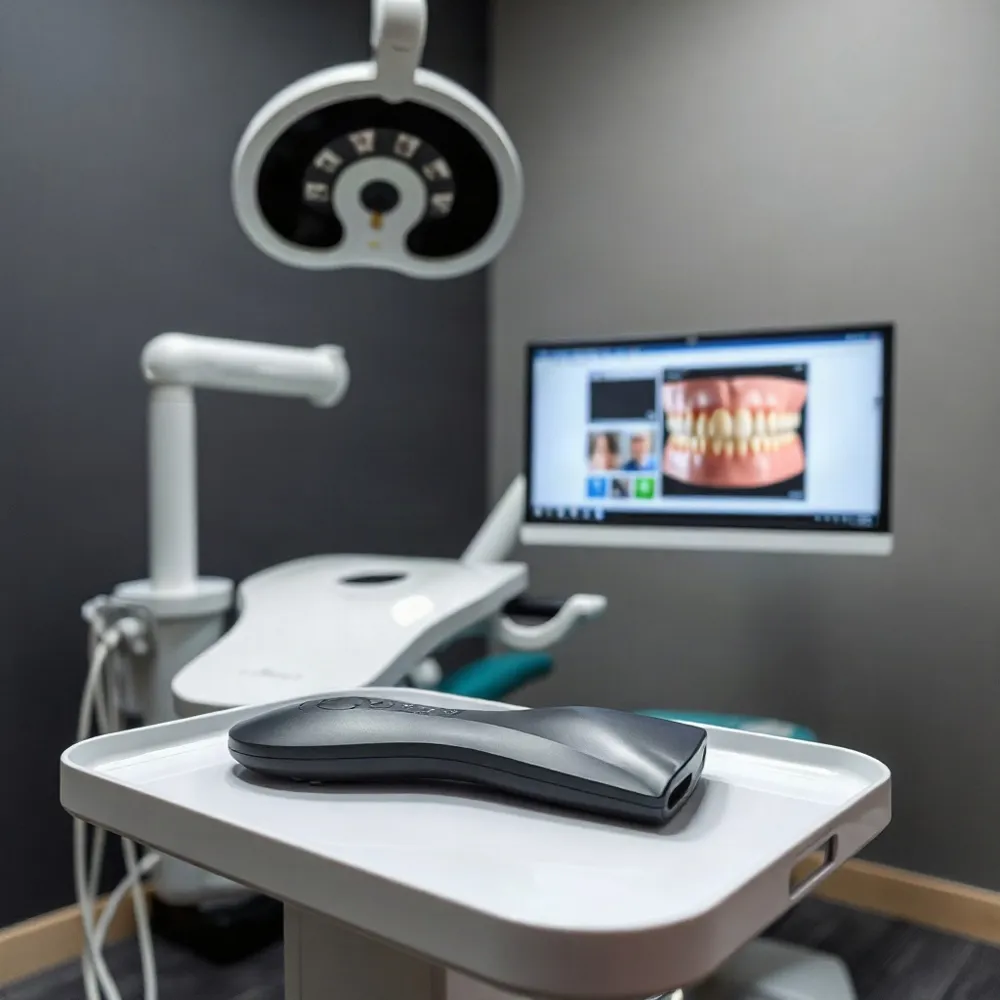 When you think about a routine dental checkup, the old tools of scrapers and X-ray film might come to mind. Modern dental technology has replaced much of that with digital systems that feel faster and far less invasive. Instead of biting into hard, uncomfortable film, a small digital sensor captures an image of your teeth in seconds, displaying it immediately on a chairside screen. This shift does more than add convenience; it changes how precisely your dentist can plan treatment and explain what's happening in your mouth.
This digital approach is a cornerstone of how Ashley Burns, DDS practices in Midland, Texas. The practice pairs these imaging tools with same-day restoration capabilities, so many diagnostic and treatment steps that used to require multiple visits can now be condensed. For patients, that means less time in the chair and fewer return trips, all while receiving care that feels more connected and transparent. Advanced imaging and on-site milling are central to this experience, as outlined in our guide to advanced dental technologies.
Intraoral scanners. These small, pen-like wands replace traditional putty impressions. They capture detailed 3D images of your teeth and gums in a few minutes, eliminating gagging and the discomfort of setting molds. The digital scan feeds directly into systems that can design crowns, aligners, or implant guides with high accuracy.
Cone beam CT (CBCT). This low-dose 3D imaging provides a comprehensive view of your jaw structure, nerves, and sinuses. It is especially useful for planning implant placement or evaluating complex cases, allowing for precise, predictable treatment rather than relying on guesswork from 2D radiographs.
Chairside CAD/CAM restoration. With computer-aided design and manufacturing, a tooth-colored ceramic crown or veneer can be milled in the office and placed in a single appointment. Patients avoid temporary crowns and the two-week wait. This same technology supports Teeth-in-a-Day and All-on-4 implant procedures, where a full arch of fixed teeth can often be delivered on the same day as implant surgery.
These tools are not just about speed; they are also about for comfortable, predictable care. For example, 3D imaging helps in detecting hidden infections or fractures early, which often go unnoticed with older methods. When you combine early, accurate detection with the ability to place restorations on-site, you reduce the number of steps and potential for error. This integrated workflow supports the kind of patient-first environment where your understanding and comfort are part of the treatment plan itself, a principle detailed in how advanced technology improves patient comfort.
| Technology | Primary Benefit | How It Improves Experience |
|---|---|---|
| Intraoral scanners | No gagging, fast digital impressions | Less discomfort, immediate 3D model on screen |
| Cone beam CT (CBCT) | 3D view of jaw, nerves, sinuses | Precise implant planning, fewer surprises |
| Chairside CAD/CAM | Same-day crowns, veneers, restorations | One-visit procedures, no temporary crowns |
| Laser dentistry | Minimal bleeding, faster healing | Less pain, reduced need for anesthesia |
Comfortable Dentures and Gentle Home Care Advice
Many dental visits today feel very different from what your memory might suggest. Modern dental technology has made procedures faster, quieter, and noticeably more comfortable. The days of dreading the drill are fading, replaced by tools designed with your comfort in mind. Here’s a look at how these innovations work and why they matter for your time in the chair.
Laser Dentistry. Lasers replace traditional drills for certain soft-tissue procedures, which means less bleeding, less swelling, and often no need for anesthesia for minor work. For example, laser treatments can reduce discomfort and healing time significantly, as noted in advanced dental technology resources.
3D Imaging. Cone beam CT scans and intraoral cameras give your dentist a detailed, three-dimensional view of your teeth, roots, and jaw. This precise imaging allows for earlier detection of issues like hidden decay or impacted teeth, avoiding surprises and more invasive procedures later. The result is more accurate treatment planning and fewer uncomfortable surprises.
Intraoral Cameras. These small, pen-like cameras let you see exactly what your dentist sees on a chair-side screen. Seeing a clear image of a cracked tooth or plaque build-up builds trust and helps you understand the need for treatment. It also means fewer assumptions and more collaborative decisions about your care.
| Technology | Primary Benefit | Patient Experience |
|---|---|---|
| Laser dentistry | Minimal bleeding and swelling | Less discomfort and faster healing |
| 3D imaging | Complete diagnostic accuracy | Fewer surprises and precise treatment |
| Intraoral cameras | Visual demonstration of oral health | Better understanding and trust |
At Ashley Burns, DDS in Midland, TX, our team integrates these and other advanced tools to make your visit more comfortable and your outcomes more predictable. While many practices now use similar technology, our approach focuses on explaining each step and tailoring the experience to your needs. If you’re curious about what to expect, our recent advances in dental technology post offers more details.
Embracing Technology for a Healthier, Happier Smile
Dental anxiety is one of the most common reasons people delay or avoid necessary care. The anticipation of pain, the sound of the drill, or a past negative experience can make even a routine checkup feel overwhelming. Fortunately, modern dental technology has fundamentally changed what patients can expect in the chair, focusing on comfort, speed, and precision.
Advanced tools like intraoral scanners, laser dentistry, and 3D imaging have replaced many of the traditional, anxiety-inducing methods. Intraoral scanners eliminate the need for messy, gag-inducing impressions by creating precise digital models in seconds. Lasers minimize bleeding, reduce the need for anesthesia in many cases, and speed up healing. 3D imaging provides detailed, real-time views of the mouth, allowing for more accurate diagnoses and less invasive procedures. These technologies directly address common fears by making treatment faster, quieter, and more comfortable.
For patients who experience anxiety, the mere presence of modern technology can be reassuring. The ability to see exactly what the dentist sees on a screen, often before any treatment begins, empowers patients and reduces uncertainty. Many practices, including ours at ashleyburnsdds.com, have also integrated gentle, patient-centered approaches that combine these technologies with communication and sedation options, creating a more relaxed and controlled environment.
| Technology | What It Does | Patient Benefit |
|---|---|---|
| Intraoral Scanner | Creates 3D digital impressions | No gagging, faster, more accurate |
| Laser Dentistry | Precise tissue treatment | Less pain, less bleeding, faster healing |
| 3D Imaging | Detailed, real-time views | Accurate diagnosis, fewer surprises |
| Digital X-rays | Instant, low-radiation images | Quicker, safer, better diagnostics |
Even the most anxious patients frequently report a dramatic shift in their experience when technology is used thoughtfully. Modern dentistry is no longer something to fear; it is something that can be controlled and understood. For more on how technology reduces discomfort, explore the science behind painless dentistry or read about how advanced dental technology improves patient comfort.