Understanding Persistent Tooth Discoloration
Tooth discoloration can come from surface pigments or changes within the tooth, and the distinction affects which treatments may help. Coffee, tea, tobacco, and some foods can stain enamel, while aging, certain medications, trauma, or changes inside a tooth may cause deeper discoloration. A dental exam can help identify the likely cause and guide a suitable approach, especially when a stain is persistent or unexplained. The Cleveland Clinic’s overview of tooth discoloration describes these causes and treatment considerations.
Professional whitening is a cosmetic option, not a substitute for treating decay, injury, or gum disease. At Ashley E. Burns, DDS in Midland, an exam can help connect whitening goals with overall oral health and set realistic expectations. Whitening changes natural teeth but does not change the shade of crowns, veneers, or fillings, so existing dental work should be considered when planning treatment. The American Dental Association’s whitening guidance also recommends dental assessment to help determine whether whitening is appropriate.
What Causes Different Types of Stains
 Tooth discoloration can develop when colored particles collect on enamel or when changes occur inside a tooth. The cause matters: a surface stain may respond to cleaning or whitening, while deeper discoloration may need a different approach.
Surface stains and internal discoloration
Extrinsic, or surface, stains affect enamel, the tooth’s outer layer. Coffee, tea, red wine, soda, tobacco, and plaque buildup can contribute. A professional cleaning may remove some surface deposits, and whitening may lighten some remaining stains. For more on common sources, see this guide to what causes different types of stains.
Intrinsic discoloration begins within the tooth and may involve the dentin beneath enamel. Trauma, certain medications, excess fluoride exposure while teeth develop, and other health or developmental factors can contribute. These changes may be harder to lighten with external whitening, and results depend on their cause. The American Dental Association’s overview of whitening explains that treatment choice and likely response vary with the type of discoloration.
Teeth may also look more yellow with age as enamel thins and the naturally yellowish dentin becomes more visible. This is not necessarily a sign of poor brushing. A dental examination at Ashley E. Burns, DDS in Midland can help distinguish staining from changes that may need other care before whitening is considered.
How Professional Whitening Works
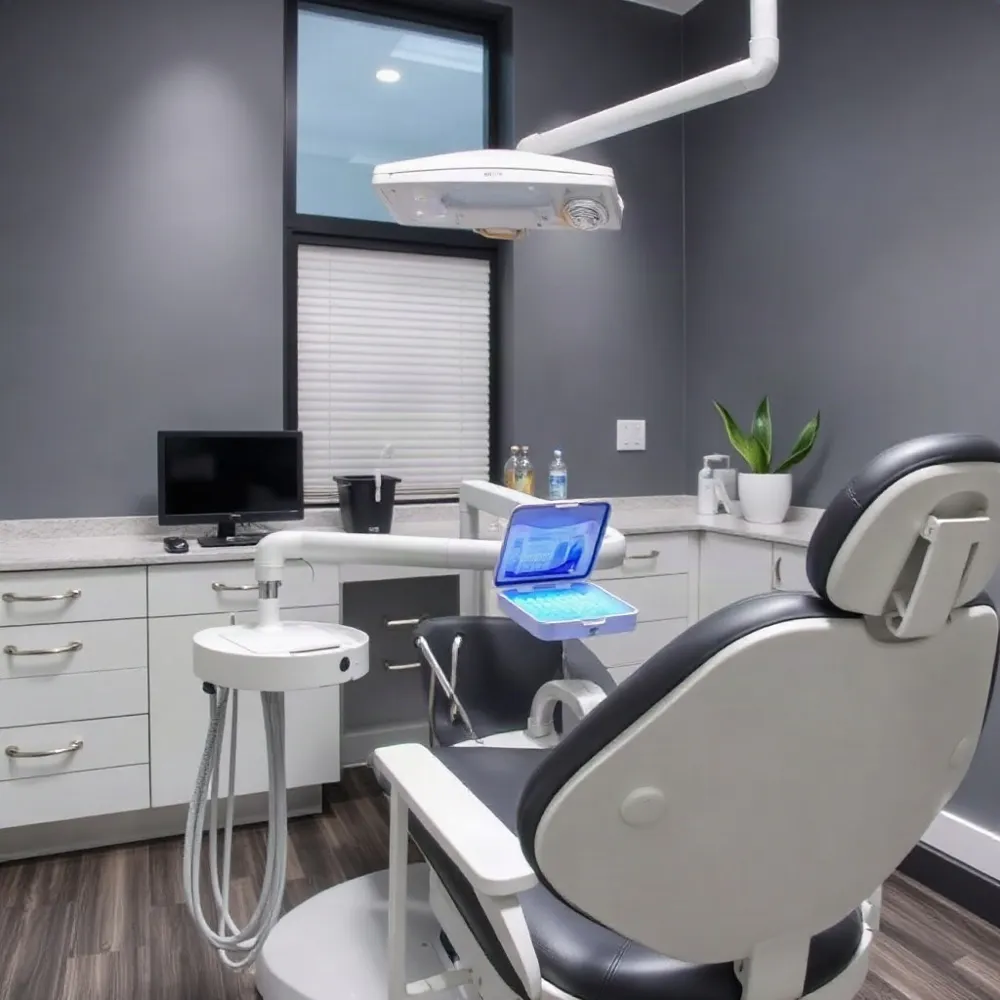 Professional whitening uses hydrogen peroxide or carbamide peroxide to oxidize colored compounds within teeth, making stains less noticeable. The American Dental Association explains that the treatment and likely response depend on the cause and location of discoloration. ADA guidance on tooth whitening
In-office treatment uses stronger whitening agents under dental supervision. The dental team can examine the teeth and gums, protect soft tissue, and apply the gel in a controlled setting. Some patients notice a change after one visit, though the result varies with stain type and severity.
Dentist-directed take-home treatment uses custom-fitted trays and whitening gel over several days or weeks. It generally develops more gradually than office treatment, giving patients time to follow the dentist’s instructions and monitor their progress. Professional whitening options and expected results
Whitening changes natural teeth, not crowns, veneers, fillings, or other restorations, so existing dental work may look different beside newly brightened teeth. Deep intrinsic stains may also respond less fully than surface stains. A dentist can assess the teeth and gums, discuss the patient’s goals, and set a realistic expected shade before treatment.
Professional Care and At-Home Options
Professional whitening offers two routes: an in-office treatment for faster change, or dentist-directed custom trays for gradual whitening at home. The right choice depends on the cause of discoloration, oral health, sensitivity, and the shade you hope to reach. At Ashley E. Burns, DDS in Midland, treatment planning can take these factors into account rather than relying on a one-size-fits-all kit.
A dentist can examine persistent stains and recommend an approach suited to them. Some discoloration may respond to professional treatment, while deep stains may remain or need another option. Professional whitening can produce faster, more noticeable results than most store-bought products, but results vary with the stain and the individual.
Over-the-counter strips and kits may lighten some surface stains, usually with repeated use over time. Follow the package directions and stop if irritation develops. Custom trays supplied through a dental practice are designed to fit the patient and are used with dentist-directed gel; this gradual option provides guidance while whitening at home. The American Dental Association’s whitening guidance also recommends dental advice when choosing treatment.
Both professional and at-home products can cause temporary sensitivity or gum irritation. Ask a dentist before starting if the cause of staining is unclear, the discoloration persists, or you have concerns about your teeth or gums. Whitening changes natural tooth color, not existing crowns, veneers, or fillings, so those restorations may look different from whitened teeth.
For a closer look at how supervised care compares with retail options, see this comparison of professional and at-home whitening.
Safety, Sensitivity, and Treatment Limits
 Professional whitening can cause temporary tooth sensitivity, often noticeable with hot or cold foods and drinks. Whitening gel may also irritate the gums or other soft tissue if it touches them. These effects are usually temporary, but tell your dentist if sensitivity is already a concern before treatment.
During in-office whitening, the dental team places a protective barrier over the gums. Dentist-fitted take-home trays are shaped to your teeth to help limit gel contact with gum tissue. The American Dental Association’s whitening guidance recommends consulting a licensed dentist to assess whether treatment is appropriate.
Use whitening products only as directed, and do not extend wear time or repeat treatments more often than advised. Misuse can increase irritation and may harm enamel. The ADA’s Seal of Acceptance can help consumers identify products evaluated for safety and effectiveness, though a seal does not replace advice tailored to your teeth.
A dental exam can identify decay or gum problems that should be assessed before whitening. At Ashley E. Burns, DDS in Midland, treatment planning begins with understanding a patient’s oral health and concerns, rather than treating every color change as a cosmetic stain.
Whitening lightens natural teeth, but crowns, veneers, and fillings generally retain their existing shade, which can create a mismatch. Deep or stubborn discoloration may also respond incompletely to bleaching; options such as bonding or veneers may be discussed when whitening alone is not suitable. The limits of professional whitening are worth considering before choosing a treatment.
Responding to Sudden or Stubborn Stains
A sudden color change, discoloration limited to one tooth, or a stain that appears after an injury deserves a dental evaluation. These changes can signal decay or damage inside the tooth, rather than an ordinary surface stain. Cleveland Clinic’s guidance on tooth discoloration recommends having a suddenly discolored or injured tooth assessed.
Brown spots can come from coffee, tobacco, or plaque and tartar buildup, but they may also indicate decay or cavities. A cleaning can remove plaque and tartar, while decay needs dental treatment; whitening alone cannot diagnose or address either problem. At Ashley E. Burns, DDS, an exam can help distinguish a cosmetic concern from a condition that needs care before whitening is considered.
For lifestyle stains, consistent brushing and flossing, along with reducing frequent exposure to staining foods and drinks, may help. If a stain persists, avoid scrubbing harder or repeating whitening treatments beyond directions. Overuse can irritate gums and harm enamel, and stronger products may not resolve discoloration from within the tooth.
When whitening is not a suitable or sufficient response, a dentist can discuss options such as bonding or veneers, based on the cause and extent of the discoloration. Ashley E. Burns, DDS, provides comprehensive dental care, allowing treatment recommendations to account for both tooth health and appearance.
Using At-Home Products Carefully
At-home products can help with some surface stains, but their results depend on the stain and how they are used. Whitening strips have pre-applied bleaching gel and may lighten teeth when used according to package directions. Keep the strips off the gum line, since gel can irritate gum tissue. Peroxide products may also cause temporary sensitivity. The American Dental Association’s guidance on whitening notes that sensitivity and gum irritation can occur with bleaching.
Whitening toothpaste mainly uses abrasives to polish away surface stains. Some formulas also contain bleaching agents, but changes are generally gradual, and toothpaste does not substantially alter deeper tooth color. For more on strip use and other home options, see this guide to at-home whitening products.
Baking soda may help remove surface discoloration through abrasion, but it does not bleach teeth or replace fluoride toothpaste. Avoid scrubbing hard or relying on unverified mixtures. Acidic fruit remedies, including strawberry or orange mixtures, can erode enamel and may make discoloration more noticeable. The Cleveland Clinic’s tooth-discoloration guidance advises consulting a dentist before using over-the-counter whitening products.
Whitening will not change the shade of crowns, veneers, or fillings, and stains within a tooth may need a different approach. Ashley E. Burns, DDS can assess persistent discoloration, sensitivity, and existing dental work before patients choose a product, helping them avoid treatment that may not suit their teeth.
Maintaining Results and Considering Cost
Professional whitening is not permanent. Results may last from several months to a few years, depending on the treatment, oral hygiene, and habits; coffee, tea, red wine, tobacco, and other pigmented foods and drinks can contribute to new stains. Natural aging may also change tooth shade over time. Professional whitening results vary, so a dentist can advise whether a touch-up is appropriate rather than relying on a fixed schedule.
Daily brushing and flossing, rinsing with water after staining drinks, and attending regular dental cleanings can help manage surface stains. The American Dental Association’s whitening guidance also emphasizes that the likely response depends on the cause of discoloration. At Ashley E. Burns, DDS in Midland, an exam can help assess oral health and discuss whether whitening suits your teeth and goals.
What does professional whitening cost, and is it worth it?
Professional whitening fees vary by method, practice, and individual needs, so ask the dental office for a personalized estimate. In-office treatment may offer faster visible change, while dentist-supervised take-home trays allow a more gradual approach at home. Retail products generally cost less, but may produce subtler or slower results. The right value depends on your desired timeline, the cause of the stains, and the results whitening can realistically achieve.
Whitening may not change the shade of crowns, veneers, or fillings, which can affect the overall match. Ashley E. Burns, DDS can discuss expectations and maintenance options as part of a personalized plan. For more on how results vary and how to care for them, see maintaining professional whitening results.
A Brighter Smile Starts With an Exam
Choosing how to brighten a smile depends on more than the shade you want. Stain type, tooth and gum health, existing restorations, sensitivity, budget, and desired timing all affect which options are suitable and what results are realistic.
If discoloration persists, appears without a clear cause, or affects one tooth, arrange a dental assessment before increasing product strength or treatment time. Whitening may not change crowns, veneers, or fillings, and some stains may need a different approach. Ashley E. Burns, DDS, provides comprehensive dental care in Midland, where an evaluation can help clarify the cause and guide a discussion of appropriate options.
A measured plan can protect oral health while setting expectations for appearance, comfort, and cost.