Precision Begins With Better Information
Can dental technology make an appointment more precise? It can help a dentist gather, organize, and explain information, but it does not make decisions on its own. Digital images and records may offer useful details about teeth and surrounding structures, giving the care team more information to consider.
A 2025 review describes digital radiography, intraoral cameras, and image-analysis tools as potential aids to diagnosis and treatment planning. These tools can help flag areas for closer review, while the dentist remains responsible for interpreting findings and deciding what they mean for an individual patient (review of digital tools in dentistry).
At Ashley E. Burns, DDS, patient-centered care and clear explanations are part of helping patients understand their options. Technology may support that conversation, but it cannot guarantee a diagnosis or a particular result. The right approach depends on a thorough examination, professional judgment, and each patient’s health needs and preferences.
Planning Care Around Each Patient
 Treatment planning is the process of assessing oral health and shaping an individualized roadmap for care. Rather than choosing procedures from an image alone, a dentist considers examination findings, dental and medical history, diagnostic information, and what matters to the patient.
That conversation includes the patient’s concerns and goals, whether the priority is addressing discomfort, improving function, or considering a change in appearance. Digital images and records can add useful detail to the discussion, but they are considered alongside the in-person examination and professional judgment. A 2025 review of digital tools in dentistry describes how diagnostic images and patient records can support care decisions, while emphasizing that these tools assist rather than replace a clinician’s assessment.
A written plan may set out suitable care options, the proposed order and timing, and estimated costs. Patients can ask why an option is recommended, what alternatives may be available, and how treatment might fit their circumstances before deciding whether to proceed. This shared discussion helps make the plan understandable and allows patients to take part in choices about their care.
At Ashley E. Burns, DDS, patient-centered care provides the context for these conversations: the plan should reflect each person’s findings, questions, and goals rather than assume the same approach works for everyone. The practice’s guidance on planning care around each patient also emphasizes building a plan together.
A plan is a guide, not a promise that every step will remain unchanged. New findings, changes in oral health, or a shift in a patient’s priorities may call for revisiting the options, sequence, or timing. Patients can raise questions at each stage so that decisions continue to reflect their needs.
Digital Scans Without Impression Trays
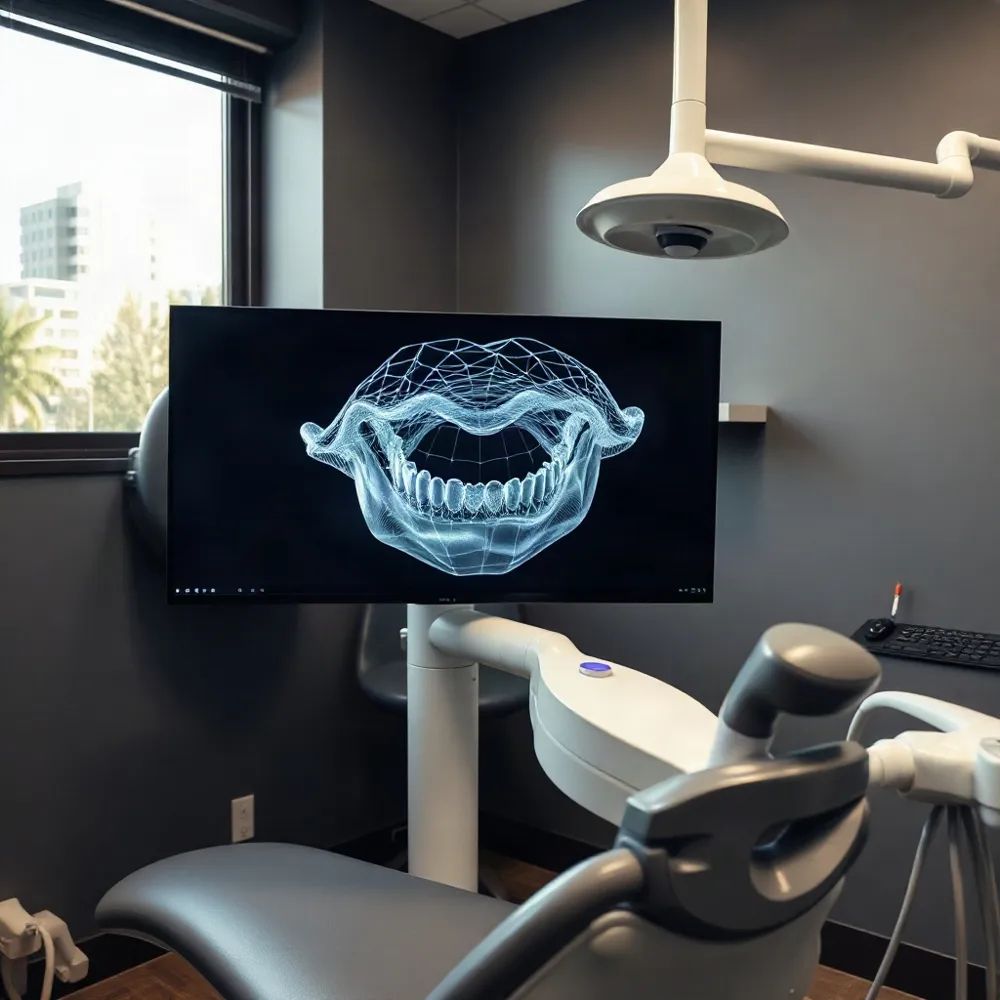 An intraoral scanner is a small handheld device that uses light and cameras to capture images of the teeth and gums. Software combines those images into a three-dimensional model that the dental team can review on a screen during the appointment.
The model gives the dentist a digital record of visible tooth surfaces and can inform treatment planning and the design of restorations or appliances, including crowns and orthodontic aligners. Digital impressions can avoid the trays and impression material used in many conventional workflows, which some patients find uncomfortable. A 2023 editorial on dental technology describes digital impressions as a way to support patient comfort and restorative planning, while emphasizing that technology complements clinical judgment (editorial on digital tools in dental care).
Seeing the model on screen can make it easier to discuss the shape and position of the teeth, ask questions, and understand how the scan may inform a proposed restoration or appliance. The dental team can also review the captured information as part of deciding what care is appropriate. For patients at Ashley E. Burns, DDS, digital imaging and treatment planning are among the advances discussed in the practice’s overview of digital innovations; that general overview should not be taken to mean a particular scanner is used in every case.
A digital scan is not the right method for every procedure. The dentist considers the treatment, the area being recorded, and the patient’s needs when choosing between a scanner and a conventional impression. Digital scanning offers another way to gather information, not a one-size-fits-all replacement for other methods.
When Three Dimensional Imaging Helps
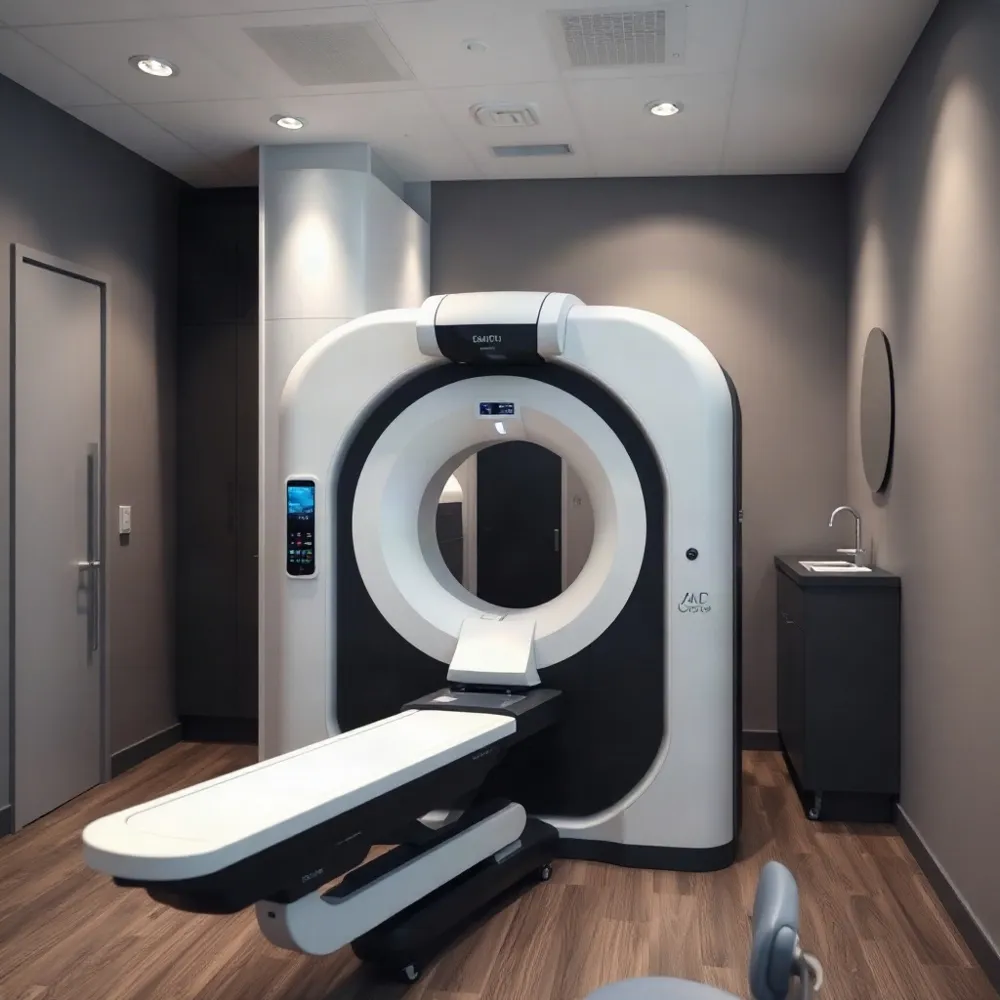 A dental 3D scan, often made with cone-beam computed tomography (CBCT), uses X-rays to create a three-dimensional view of selected teeth and nearby anatomy. Standard dental X-rays show a flatter, two-dimensional view, while CBCT lets a clinician examine structures from different angles and see how roots, bone, and nerves relate.
That added perspective can be useful when a specific clinical question is difficult to answer with a routine examination or standard images. For example, when planning an implant, a dentist may need to assess the available bone and the position of nearby nerves. CBCT may also help assess other complex concerns, but the scan is only one part of the evaluation. Clinical findings and the dentist’s interpretation still guide decisions. A 2023 review of dental technology describes how combining CBCT with other digital records can support individualized treatment planning.
The scan itself is generally brief, but it involves radiation. For that reason, 3D imaging is not automatically needed at every appointment. The dentist weighs whether the added information is likely to affect diagnosis or care, and limits imaging to what is needed. For more on how CBCT adds detail beyond conventional images, see the role of cone-beam CT in dental diagnosis.
Patients can ask what concern the scan is meant to assess, whether another type of image could answer the question, and how the findings might change the available treatment options. These questions help make the purpose of imaging clear and support an informed conversation about care.
Digital Tools Inform Clinical Decisions
Digital records can give a dentist several ways to review what is happening in the mouth. Digital X-rays, intraoral photographs, and scans capture different details, while organized records help the dental team find and compare information from past and present visits. A 2025 review of digital tools in dentistry describes how these technologies can support diagnosis and treatment planning.
Comparing images or scans over time may help document changes in teeth, gums, or existing dental work. A new image does not automatically mean a problem has developed, and not every visit calls for every type of scan. The dentist considers what information is useful for the patient’s particular concern.
Planning software and visual models can help clinicians review possible approaches and show patients what a proposed treatment involves. Seeing a model or image may make it easier to discuss options, ask questions, and weigh preferences. The public-health perspective on dental technology describes digital planning as support for informed decisions, not a substitute for clinical judgment.
At Ashley E. Burns, DDS, technology is considered in the context of patient-centered care. Digital findings need to be interpreted alongside an examination, medical and dental history, symptoms, and the patient’s goals. A scan or image can add useful information, but it cannot decide on its own which treatment is appropriate.
Some dental software can also analyze images and flag areas for a dentist to review. This may help draw attention to possible findings, but it does not confirm a diagnosis or replace the dentist’s assessment. The final discussion of care depends on the full clinical picture and the patient’s needs.
For patients, the practical value of these tools is a clearer record and a more visual conversation about care. Reviewing images together can help explain what the dentist sees and why a particular next step may be considered.
Connecting Scans to Restorations
A digital restoration workflow links information gathered during an examination with the design and production of a dental restoration. For a crown, for example, the dentist assesses the tooth and surrounding bite, then uses that information to plan what the restoration needs to do.
An intraoral scan can record the visible tooth surfaces as a digital model, while other images may help answer specific diagnostic questions. Together, these records give the dentist a basis for planning. This workflow from scan to restoration is also described in digital dentistry treatment workflows.
Computer-aided design and manufacturing, often shortened to CAD/CAM, may support the next steps. Planning software can help the dentist review a proposed restoration’s shape and relationship to nearby teeth before fabrication. If a dental laboratory is involved, digital files can be sent for review and production, allowing the practice and laboratory to work from shared information. A 2023 editorial on dental technology describes digital impressions as a support for restorative planning, while emphasizing that technology complements clinical judgment.
Digital transfer can remove some manual steps involved in handling physical impressions and models. It may also make it easier to clarify design details between the dentist and laboratory. These are workflow possibilities, not guarantees of a particular fit, fewer appointments, or faster completion. The restoration still depends on careful assessment, design decisions, materials, and clinical placement.
At Ashley E. Burns, DDS in Midland, treatment recommendations are based on each patient’s circumstances and the care needed. Digital tools may form part of restorative planning, but workflows vary by practice and procedure. The dentist can explain whether a scan, other imaging, laboratory collaboration, or a different method is appropriate for a specific restoration.
Technology Has Practical Limits
Digital images and planning tools can add useful detail and make it easier to discuss care, but they do not guarantee a particular result. Their value depends on the clinical question, the procedure, and each patient’s circumstances. At Ashley E. Burns, DDS, technology is considered alongside individualized care, not as a substitute for a dentist’s assessment.
A scan or photograph cannot provide every part of a physical examination. Remote review also cannot supply tactile findings that may affect a diagnosis. Restorations, extractions, root canal treatment, and implant placement require direct clinical care, even when digital records help inform planning.
A 2025 literature review describes how teledentistry may help clinicians assess symptoms, offer guidance, and decide whether an office visit is needed. Remote follow-up can be convenient in appropriate situations, but it is not a replacement for examination or treatment when hands-on care is necessary.
Severe pain, swelling, injury, uncontrolled bleeding, or signs of infection call for timely contact with a dental professional and may need urgent in-person attention. Any digital or remote option should help direct patients to appropriate care, rather than delay it. Ashley E. Burns, DDS provides comprehensive dental services in Midland, with treatment decisions grounded in the patient’s needs and clinical findings.
A More Informed Appointment
Digital images and planning tools can make an appointment more informative by helping the dentist review findings and explain possible care. Research describes these tools as support for clinical decisions, not substitutes for a professional examination or judgment (review of digital tools in dentistry).
At Ashley E. Burns, DDS, patient-centered care includes discussing findings and treatment options so patients can take part in decisions. Technology is most useful when paired with experience, careful assessment, and clear conversation, rather than treated as an answer on its own.
If a scan or digital workflow is recommended, ask what information it is meant to provide and whether it could change your treatment choices. Understanding the purpose of a tool can help you feel prepared to discuss the options that fit your needs.