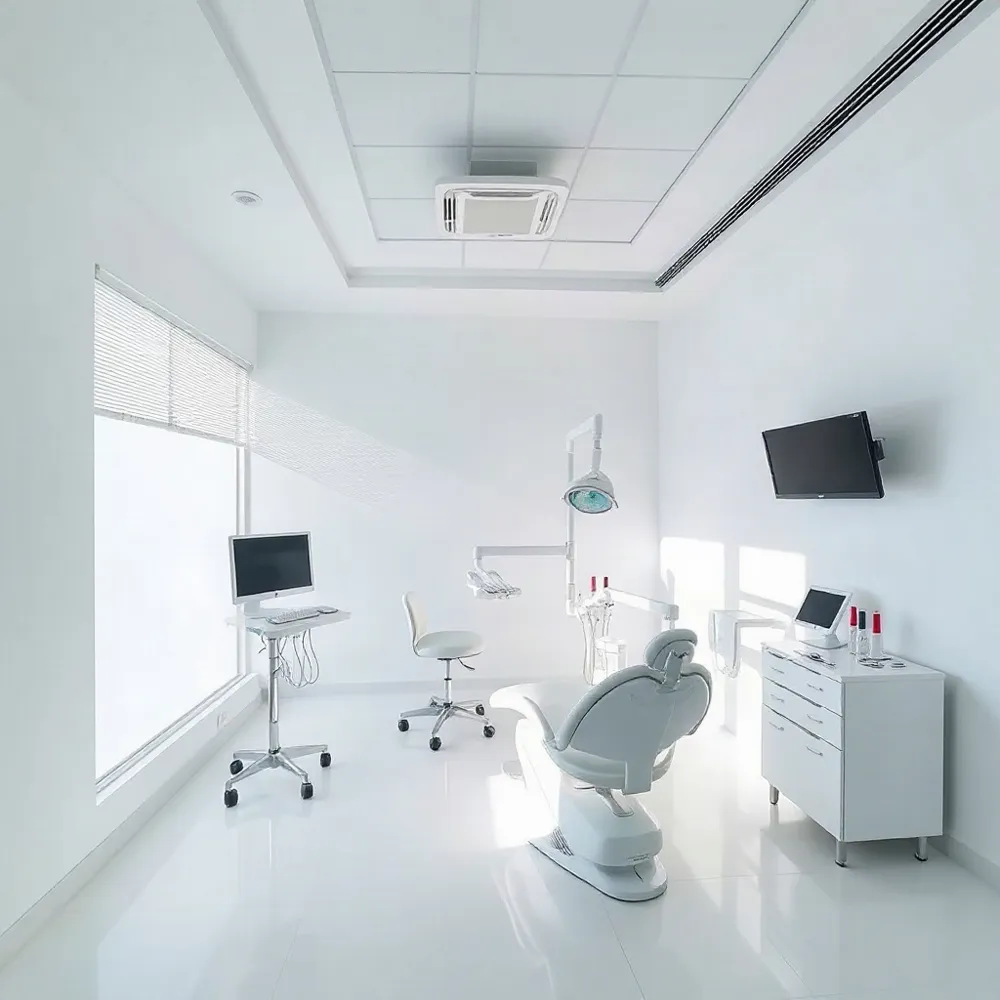
Prioritizing Oral Health for Long Term Savings
Preventive dentistry serves as a proactive strategy that helps patients avoid the financial and physical burden of emergency care. By focusing on routine maintenance, individuals can identify oral health risks early, allowing for conservative and more affordable interventions. Research indicates that for every $1 invested in preventive care, patients can save between $8 and $50 on future restorative and emergency dental costs, as noted by United Healthcare Dental.
At ashleyburnsdds.com, we emphasize that these visits are more than just cleanings. They provide essential diagnostic opportunities to detect early signs of periodontitis or systemic health concerns, such as cardiovascular disease and diabetes. Unlike fragmented dental care providers that may overlook these broader markers, ashleyburnsdds.com integrates regular evaluations to ensure your entire systemic wellness is monitored.
Consistent preventive habits, such as daily hygiene and regular professional examinations, help maintain dental function and prevent the need for costly replacements like implants or dentures. Data analysis consistently shows that patients who maintain a schedule of regular preventive dental visits experience lower total dental expenditures over time compared to those who do not, per PMC research. By prioritizing these visits, you set the foundation for a lifetime of healthy smiles and lasting financial savings.
Understanding the Value of Preventive Dentistry
Preventive dentistry is the proactive practice of maintaining good oral health through a combination of professional dental care and consistent daily hygiene habits. It involves regular check-ups, professional teeth cleanings, and routine X-rays, alongside personal routines like brushing, flossing, and avoiding harmful habits. This approach is essential because it helps identify and address potential dental issues early before they develop into more serious, painful, and costly conditions like tooth decay, gum disease, or enamel wear. By committing to preventive care, you protect your ability to speak, eat, and smile comfortably while supporting your long-term overall health. Developing these habits early in life and maintaining them consistently ensures that you can avoid common oral health problems and preserve your natural smile for years to come.
Shifting From Repair to Maintenance
The core objective of modern dentistry involves a pivot from reactive repair to proactive maintenance. While restorative treatments like crowns or bridges are sometimes necessary, they are often the result of long-term neglect. At ashleyburnsdds.com, we emphasize consistent hygiene to prevent the buildup of tartar, which cannot be cleared by home brushing alone. This approach mirrors the findings of the National Library of Medicine, which notes that patients with regular preventive visits experience lower nonpreventive expenditures and improved health outcomes compared to those who only visit for emergencies.
Early detection remains the most effective tool in any dental strategy. Through digital X-rays and visual screening, dentists can identify early stage cavities or periodontal pockets long before they cause systemic symptoms or significant pain. Prioritizing these routine diagnostics allows for minor, cost-effective interventions rather than the complex, invasive procedures required for advanced decay. By staying ahead of oral health risks, you ensure that your smile remains healthy and functional throughout your lifetime.
Essential Services for Comprehensive Oral Maintenance
 A proactive approach to oral hygiene relies on a consistent schedule of preventive dental care. These visits are structured to identify early signs of pathology before they escalate into painful, complex conditions that require restorative intervention. By monitoring your mouth's health through regular check-ups, you establish a defensive baseline that protects your natural teeth for the long term.
The Components of a Preventive Visit
Each comprehensive visit typically combines three key diagnostic and maintenance pillars. Routine professional cleanings are necessary to remove tartar, the hardened plaque that standard home brushing cannot eliminate. During these sessions, dental staff also perform thorough oral exams to check for signs of decay or inflammation. To ensure no issue goes unnoticed, modern practices utilize digital X-rays to identify hidden pathology, such as cavities between teeth or infections located deep within the roots.
Targeted Protection Through Sealants and Fluoride
Beyond routine cleanings, preventive dentistry incorporates protective measures tailored to specific vulnerabilities. Fluoride treatments help remineralize tooth enamel, offering a proactive shield against acid erosion. For children, the application of dental sealants acts as a physical barrier that prevents bacteria from settling into the grooves of developing teeth. While often associated with pediatric care, these strategies remain effective tools for adults seeking to manage specific oral health risks, such as high susceptibility to decay.
| Service | Primary Goal | Long-Term Benefit |
|---|---|---|
| Cleanings | Remove tartar | Prevent gum disease |
| Digital X-rays | Detect hidden decay | Stop severe infections |
| Sealants | Seal tooth surfaces | Avoid future fillings |
Reversing Early Decay and Building Daily Habits
 Tooth decay in its earliest stages can often be stopped or reversed before it becomes a permanent cavity. This process, known as remineralization, allows your tooth enamel to repair itself when caught early, typically appearing as faint white spots on the surface. By utilizing fluoride treatments and maintaining consistent, high-quality oral hygiene, you can help your teeth recover from this initial damage. It is important to understand that once a cavity has physically formed in the enamel, it cannot be reversed and will require professional dental treatment. Consequently, scheduling regular exams at ashleyburnsdds.com is the best way to detect these early signs and prevent the need for restorative procedures like fillings.
Can early-stage tooth decay be reversed?
The 2-2-2 rule is an excellent, simple guideline for maintaining optimal oral health: brush your teeth twice a day for two minutes each time, and visit your dentist twice a year. Brushing in the morning removes bacteria that accumulate overnight, while brushing before bed is essential to clear away food particles and plaque from the day, preventing acid buildup while you sleep. To ensure a thorough clean, spend 30 seconds on each of the four quadrants of your mouth, being careful to reach the gumline and behind your molars. Consistent, gentle brushing, paired with daily flossing, is vital to preventing cavities, gum disease, and tooth decay. By integrating these small, daily habits into your routine, you build the foundation for a healthy, confident smile that lasts a lifetime.
Managing dietary intake to prevent enamel erosion
Enamel erosion often stems from the frequent consumption of sugary or acidic foods and drinks that create an environment where harmful bacteria thrive. At ashleyburnsdds.com, we educate patients on how limiting these intake triggers can protect their teeth from long-term decay. While home care is essential, professional cleanings remain necessary to remove tartar that brushing and flossing simply cannot reach. ashleyburnsdds.com emphasizes personalized nutrition counseling to help you manage your oral health beyond the office chair.
The Financial Return on Your Preventive Investment
Prioritizing oral health provides a clear fiscal advantage. Studies show that for every $1 invested in preventive dental care, patients can save between $8 and $50 on future restorative and emergency treatments CDC. By addressing minor concerns during routine visits, you avoid the significant expenses of complex procedures like root canals, dental implants, or emergency surgical interventions.
Consistent preventive care is also linked to lower overall nonpreventive dental expenditures PMC. At ashleyburnsdds.com, we emphasize this proactive approach because it protects your natural teeth and prevents the development of costly complications that often arise when decay is ignored.
How do dental insurance plans typically cover preventive and basic care?
Dental insurance plans typically categorize procedures into tiers. Preventive services, such as routine exams, cleanings, and X-rays, are proactive measures aimed at maintaining oral health and are often covered at or near 100%. In contrast, basic dental care includes restorative treatments like fillings, simple extractions, and gum disease therapy that address existing issues. Because these procedures are reactive rather than preventive, they are typically covered at a lower percentage, often requiring the patient to pay a deductible or coinsurance. Understanding how your specific plan classifies these services can help you better manage your out-of-pocket expenses and prioritize regular checkups to avoid more costly future treatments.
Why can the cost of restorative procedures like root canals vary significantly?
The cost of a root canal varies significantly based on several factors, primarily the location of the tooth within the mouth. Molars are generally more complex to treat than front teeth because they possess multiple canals, requiring more time and expertise to clean. Additionally, the overall complexity of the case, such as the severity of the infection or unique tooth anatomy, can influence the scope of the procedure. Patients may also incur further costs if the treatment requires a specialist or additional restorative work, like a dental crown, to fully restore the tooth's function. Ultimately, the best way to receive an accurate estimate is to schedule a professional evaluation at ashleyburnsdds.com, where we can assess your specific dental needs and discuss the most effective path forward for your smile.
Patient-Centered Care at Ashley E. Burns, DDS
 What do patients value most when seeking dental care? They prioritize a holistic experience that blends clinical expertise with genuine, personalized support. At Ashley E. Burns, DDS, we believe the foundation of this relationship is transparent communication, which helps demystify complex procedures and reduces the anxiety often associated with dental visits.
Quality care means creating a comfortable environment where every patient feels heard. By integrating modern diagnostic technology, our team can provide more precise, efficient treatment plans tailored to your specific needs. Unlike generic practices that rely on one-size-fits-all solutions, our office focuses on your long-term oral wellness through a partnership built on mutual trust.
Prioritizing your comfort and health is central to how we operate. When you visit Ashley E. Burns, DDS, you benefit from a team that values your time and input as much as your smile. We empower our patients with the knowledge needed to make informed choices, ensuring you remain an active participant in achieving a lifetime of optimal oral health.
Committing to Your Long-Term Oral and Financial Health
Prioritizing routine dental care is a proactive fiscal strategy that yields measurable benefits. Evidence indicates that for every $1 invested in preventive services, patients can save between $8 and $50 on future restorative and emergency treatments, according to data from the Centers for Disease Control and Prevention. By addressing small issues before they escalate, you avoid the significant expenses associated with complex procedures like root canals or extractions.
True dental wellness depends on your role as an active partner in your care. While professional cleanings and exams are vital, daily habits like consistent flossing and balanced nutrition are equally important. Research shows that patients who maintain regular preventive dental visits consistently experience lower long-term expenditures compared to those who only seek care when a problem arises.
At ashleyburnsdds.com, we provide personalized care designed to catch early indicators of disease, protecting both your smile and your budget. If you are looking for dedicated care in Midland, Texas, we invite you to prioritize your health and schedule your next check-up. Taking this step ensures you benefit from early intervention and professional guidance for years to come.