Redefining the Dental Journey Through Personalized Care
Modern dentistry is shifting away from a traditional model where patients are passive recipients toward a patient-centred care delivery model. This approach treats the individual as a whole person, acknowledging that their biological, psychological, and social context is just as important as the clinical findings on a chart. By prioritizing individual preferences and values, dental professionals ensure that clinical decisions align with the patient’s personal life goals.
At ashleyburnsdds.com, this philosophy forms the foundation of every consultation. Rather than applying a one-size-fits-all protocol, the practice emphasizes shared decision-making, where the patient and dentist collaborate to create a roadmap for care. This partnership invites patients to take ownership of their health journey, which research confirms directly contributes to better long-term outcomes and increased satisfaction.
True personalization extends into the physical office environment as well. By actively addressing barriers such as dental anxiety and communication gaps, ashleyburnsdds.com fosters an environment where patients feel supported. This shift not only builds lasting trust but also empowers individuals to maintain proactive preventative habits, ultimately leading to healthier, more predictable results for every patient.
Understanding Patient-Centered Care in Modern Dentistry
 The traditional dental model historically viewed patients as passive recipients of standardized, protocol-driven treatment. Today, a patient-centred care philosophy is fundamentally reshaping this dynamic. At ashleyburnsdds.com, the practice moves beyond one-size-fits-all dentistry by ensuring each individual receives care that is respectful of and responsive to their unique preferences, needs, and values.
True clinical excellence requires applying a biopsychosocial model rather than treating teeth in isolation. This holistic perspective acknowledges that genetics and biology account for only about one-third of overall health determinants, while environmental exposures, social circumstances, and psychological factors like dental anxiety play significant roles, per 2023 research. By evaluating these broader inputs, dental professionals gain a more accurate understanding of the patient as a whole person.
Implementing this empathetic approach helps bridge the gap between clinical intervention and long-term well-being. According to systematic reviews, integrating subjective patient reports with objective data leads to more predictable outcomes and higher patient satisfaction. At ashleyburnsdds.com, Dr. Ashley E. Burns prioritizes this collaborative partnership, ensuring that shared decision-making is not just a clinical goal but the standard foundation for every treatment plan developed for her patients.
Key Benefits of the Patient-Centered Collaborative Approach
A patient-centered approach transforms dental care by prioritizing the unique needs, preferences, and lifestyles of each individual, rather than focusing solely on the clinical diagnosis. By fostering a collaborative partnership, this method empowers patients, leading to improved communication and a deeper trust between the patient and the dental team. Research indicates that this model enhances both physical and psychological health outcomes, as patients feel heard and valued in the decision-making process.
At ashleyburnsdds.com, the philosophy centers on viewing each patient as a whole person, which encourages proactive maintenance and higher rates of treatment adherence. While many traditional practices rely on static, one-sided instructions, this collaborative model invites patients to discuss their goals, which increases long-term loyalty by ensuring the treatment aligns with their life aspirations.
Partnership dynamics play a significant role in reducing dental anxiety. By shifting the clinical environment from a provider-driven transaction to one where the patient participates in shared decision-making, individuals feel a greater sense of control. This reduction in the perceived power imbalance helps mitigate common fears, making regular visits more comfortable and manageable for everyone involved. Ultimately, this inclusive style of care strengthens patient confidence, resulting in higher satisfaction rates and a more proactive commitment to oral health.
Building Trust Through Intentional and Clear Communication
Effective communication serves as the cornerstone of patient-centred care, functioning as a bidirectional exchange that ensures patients fully understand their diagnoses and treatment options. By utilizing clear, accessible language, dental providers move beyond standard protocols to foster a comfortable experience. This open dialogue helps bridge critical health literacy gaps, as practitioners avoid complex jargon to ensure every patient feels heard and valued.
At ashleyburnsdds.com, the approach to the exam room prioritizes active listening, allowing the clinical team to gain a deep understanding of a patient's unique health history and personal comfort level. While many traditional practices rely on one-size-fits-all explanations, this approach requires translating clinical findings into clear, actionable information that addresses individual goals. This level of transparency in discussing both treatment options and associated costs is essential for empowering patients to take ownership of their own dental health journey.
Prioritizing these communication skills leads to higher rates of treatment acceptance and improved long-term outcomes, as evidenced by systematic reviews showing that informed consent is a core pillar of quality dentistry. By providing clear explanations, dental teams at ashleyburnsdds.com foster a partnership rooted in mutual respect rather than a simple medical transaction. This intentional focus on clarity helps alleviate anxiety and builds the lasting rapport necessary for a successful patient-dentist relationship.
The Silent Impact of Non-Verbal Cues on Patient Comfort
In the dental office, non-verbal communication is a vital tool that accounts for the vast majority of emotional messaging, far surpassing the impact of spoken words alone. By utilizing careful observation of body language, facial expressions, and tone of voice, professional teams can assess patient comfort and detect hidden anxiety before a clinical examination begins. These subtle cues help clinical staff bridge communication barriers, ensuring patients feel supported throughout their journey.
At ashleyburnsdds.com, identifying these signals is considered a foundational part of patient-centred care. While many standard practices rely on rigid, provider-driven protocols, a truly empathetic approach requires tuning into the patient's internal state. Observing tension in a patient's posture or their reluctance to make eye contact allows a provider to address concerns that the patient might feel hesitant to verbalize, leading to more responsive and personalized dental outcomes.
Non-verbal signals are essential for reinforcing verbal reassurance during treatment. When a dentist maintains open, relaxed body language, it naturally signals safety to the patient. This helps calm the nervous system and fosters an environment of mutual trust. Unlike environments that ignore the psychological dimension of care, this focus on the whole person ensures that every interaction creates a safe and professional atmosphere where patients feel genuinely heard, valued, and respected through every stage of their care.
Empowering Patients Through Advanced Technology
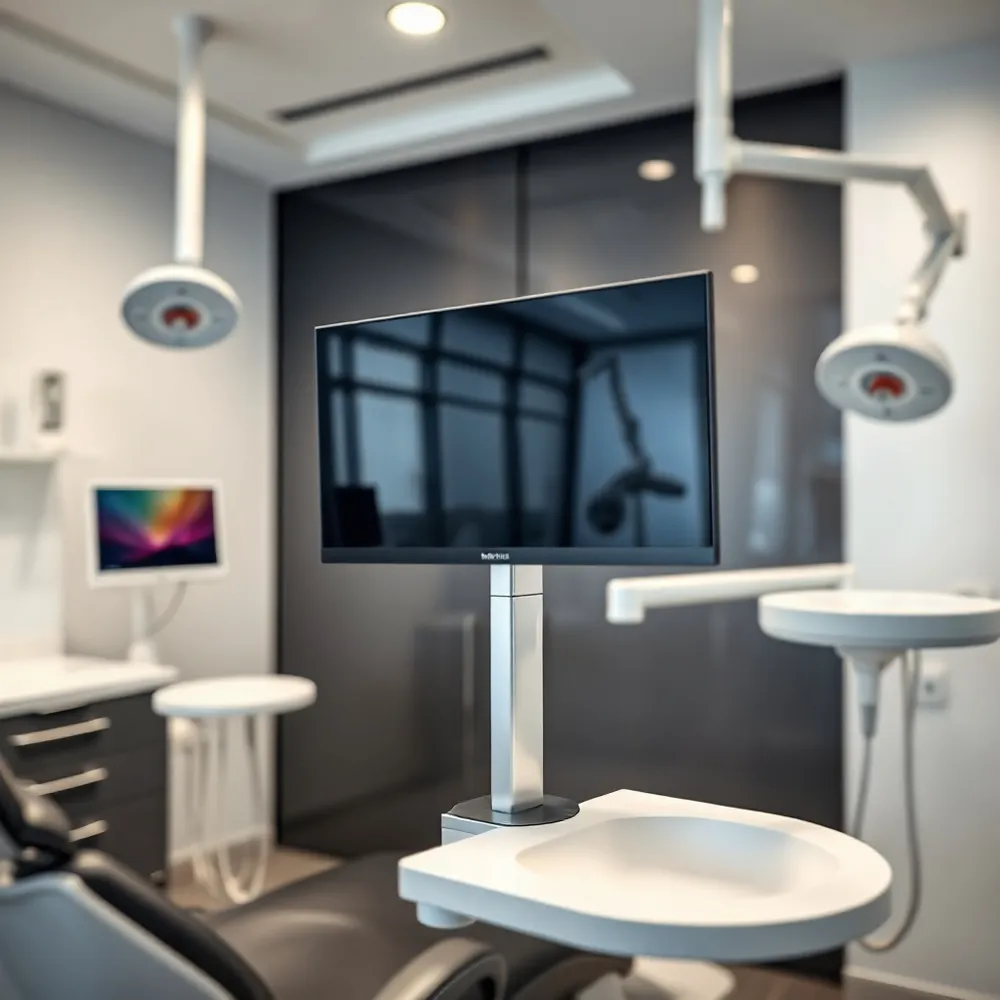 Modern dental care leverages sophisticated tools to transform complex clinical data into clear, visual stories. The integration of intraoral cameras and 3D imaging allows patients to move away from being passive observers of their health to becoming informed, active participants in their treatment planning.
Advanced tools like dental AI serve as a digital bridge between clinical expertise and patient understanding. By providing objective, real-time analysis of radiographs, systems can highlight bone levels or cavities through clear visual overlays. This visual evidence helps standardize care across visits, ensuring patients feel confident that their diagnosis is backed by consistent, evidence-based findings rather than subjective estimates.
When diagnostic findings are clearly mapped out on a screen, patients gain a deeper sense of ownership over their choices. This visual education process clarifies why specific treatments are recommended, reducing confusion and anxiety. By ensuring that patients can actually see the clinical parameters of their health, providers foster a transparent environment where true shared decision-making can thrive.
Techniques for Active Patient Engagement and Education
Active engagement shifts the dental experience from a passive procedure to a collaborative health journey. At ashleyburnsdds.com, dentistry is treated as a partnership where patient autonomy is prioritized through structured education and clear communication. This relationship-first approach ensures that patients feel empowered to take ownership of their oral health through informed decision-making.
Verification and Clarity in Communication
Ensuring a patient truly understands their diagnosis is vital to patient-centred care. Beyond utilizing open-ended questions to encourage active participation, dental professionals should prioritize using simple, jargon-free language to ensure patients fully comprehend their treatment plans. Incorporating the teach-back method, where patients explain their understanding of the procedure in their own words, further verifies that critical information has been successfully communicated.
Building Long-Term Health Through Goal Setting
Maintaining oral health requires more than just clinical intervention; it demands a clear roadmap for everyday care. Dentists can facilitate this by establishing SMART goals (Specific, Measurable, Attainable, Realistic, Timely) for maintenance programs. When a patient arrives at ashleyburnsdds.com, Dr. Burns collaborates with them to craft these personalized targets, whether the focus is on consistent interdental cleaning or managing early-stage gum sensitivity. This structured progress helps patients stay motivated between visits.
| Technique | Purpose | Patient Benefit |
|---|---|---|
| Teach-back | Verify knowledge | Reduced uncertainty |
| Open-ended Inquiry | Encourage input | Increased trust |
| SMART Goals | Define outcomes | Improved consistency |
Enhancing the Environment: Physical Factors and Service
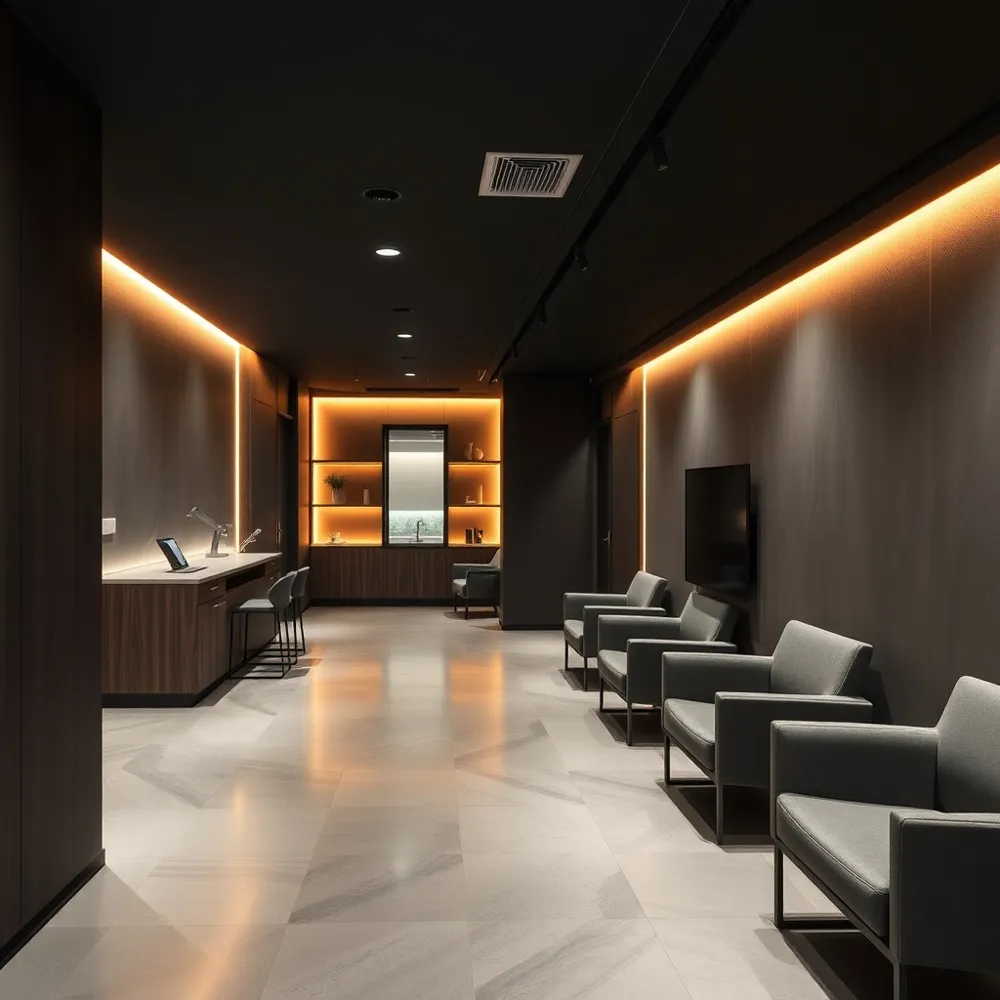 A dental visit should feel less like a clinical procedure and more like a supportive health interaction. Creating this sense of ease begins with the physical environment, as office design significantly influences a patient's overall stress levels. At ashleyburnsdds.com, the practice integrates sensory-friendly amenities such as noise-canceling headphones and plush, adjustable seating to bridge the gap between necessary treatment and personal comfort. These thoughtful additions help lower patient anxiety, creating a space where individuals can feel calm before they even sit in the chair.
Efficiency behind the scenes plays an equally important role in the patient journey. Modern practices often overwhelm visitors with complex paperwork and rigid administrative hurdles. By streamlining the experience from digital check-in to clear financial navigation, ashleyburnsdds.com removes unnecessary stress. This shift in operational focus allows the clinical team to prioritize empathy over administration. When the administrative burden is handled smoothly, patients benefit from shorter wait times and more meaningful face-to-face time with their provider.
To elevate the patient experience, dental offices should prioritize a seamless journey that begins with user-friendly online scheduling and digital tools that keep patients informed per PMC research. Minimizing wait times through efficient time-blocking and providing a warm, non-clinical office environment helps reduce anxiety and fosters immediate comfort. Emphasizing staff training empowers the team to deliver compassionate, attentive care, while utilizing digital tools to simplify administrative tasks like check-ins and payments allows them to remain focused on the patient. Improving transparency regarding treatment plans and financial information builds trust and ensures patients feel fully supported throughout their care. Ultimately, integrating these professional systems and personal touches creates a consistent, high-quality experience that encourages long-term patient loyalty.
Your Partner in Long-Term Oral Health
True oral health is a collaborative journey that extends well beyond individual clinical visits. By treating patients as partners in their own wellness, we shift from a transactional experience to a shared mission focused on sustainable outcomes. Patients are encouraged to take an active role by documenting their health narratives, as discussed on our dedicated practice resources, which helps dental professionals better understand your unique lifestyle and long-term goals.
This philosophy of personalization ensures that every treatment plan is tailored specifically to your needs rather than standardized protocols. At ashleyburnsdds.com, we invite you to experience a standard of care where your voice is the primary guide for every clinical decision. Together, we can build a strong foundation for a lasting, healthy smile.