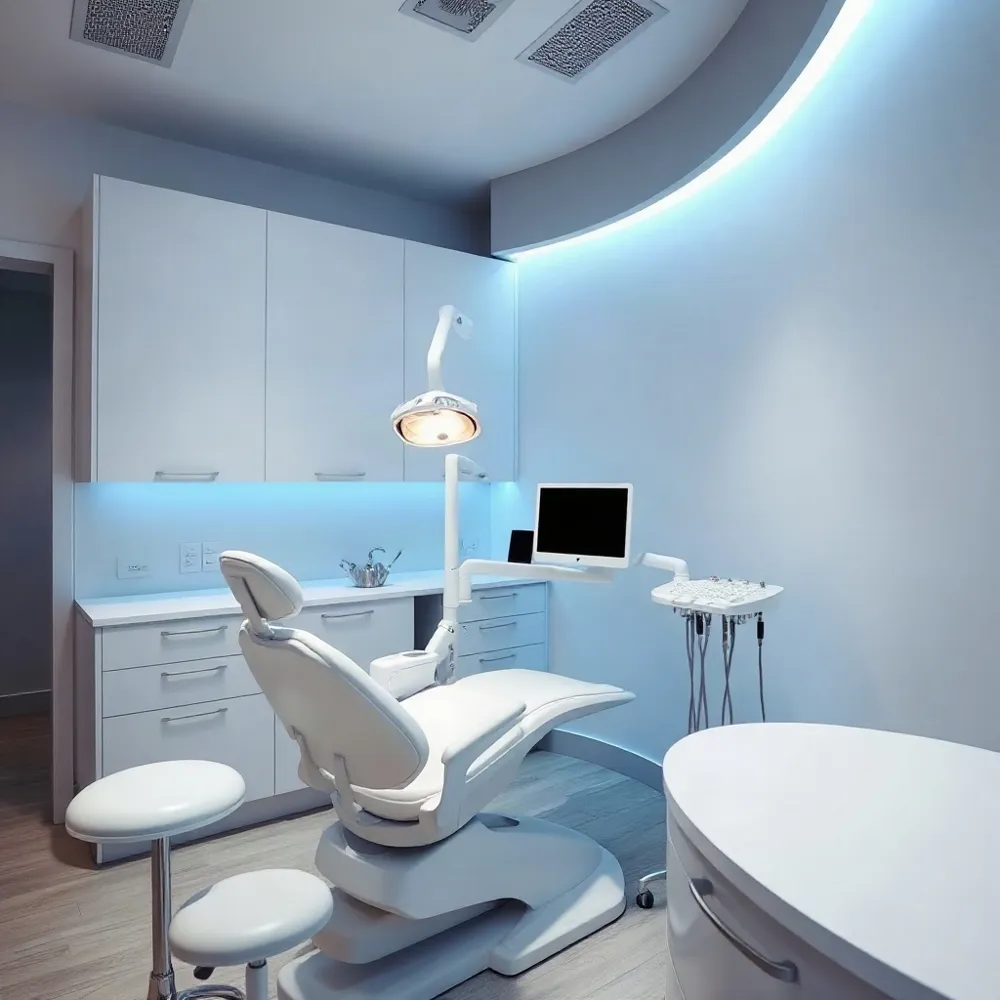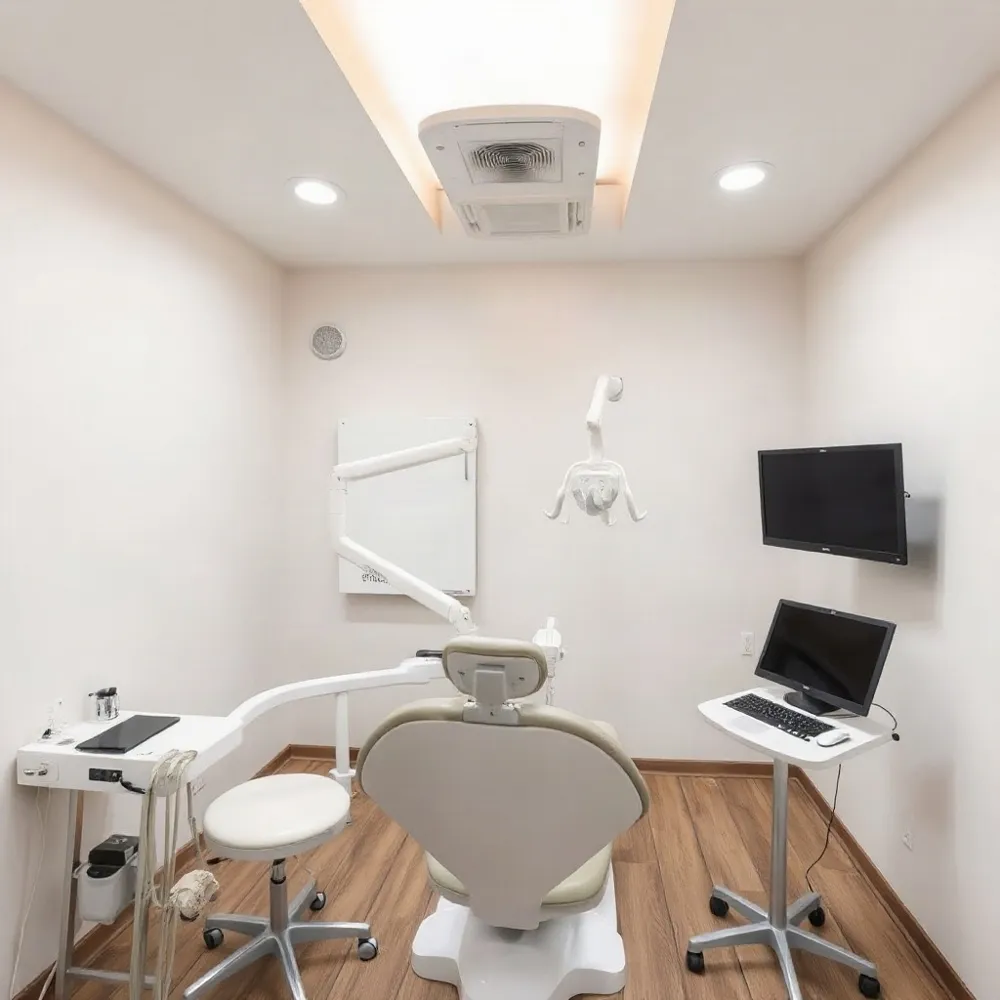
Advancing Modern Dentistry with Precision Diagnostics
The evolution of digital dentistry has fundamentally shifted clinical practice toward more patient-centered outcomes. By moving beyond traditional diagnostic limitations, modern practices prioritize high-resolution data to create personalized treatment plans that are both predictable and effective. At ashleyburnsdds.com, we embrace this transformation by utilizing dental cone beam computed tomography to ensure every diagnostic step is backed by precise anatomical detail.
Unlike conventional 2D radiographs, which often suffer from superimposition and distortion, CBCT technology captures a comprehensive 3D volume of teeth, bone, and nerve pathways in a single scan. This shift is essential for complex procedures such as implant placement and orthodontic analysis, where accuracy is paramount to success. While some providers still rely on legacy 2D methods, our use of advanced 3D imaging allows us to minimize surgical surprises and improve long-term outcomes.
These advanced diagnostic tools do more than enhance our clinical perspective. They serve as a bridge for communication, allowing patients to visualize their own oral health and understand the reasoning behind specific treatment recommendations. When patients can see exactly what their dentist sees, confidence in their care grows, turning complex clinical data into a clear path toward a healthier smile.
Understanding Digital Dentistry and Its Patient Benefits
Digital dentistry incorporates computer-based technologies to modernize diagnostics, treatment planning, and the production of dental restorations. Unlike traditional analog methods that rely on stone models and physical impressions, this digital dentistry workflow provides a level of precision that makes clinical outcomes more predictable.
What is digital dentistry and how does it transform the patient experience?
Digital dentistry utilizes advanced computer-based technologies, such as 3D imaging and intraoral scanning, to design and perform dental procedures with superior accuracy and efficiency. By replacing traditional, often uncomfortable physical impressions with quick digital scans, this approach significantly enhances patient comfort from the very first visit. These technologies allow for a more streamlined diagnostic and treatment workflow, enabling faster chairside fabrication of custom restorations like crowns and veneers. Furthermore, digital tools provide patients with a clearer visual understanding of their treatment plans, fostering transparency and confidence in their care. Ultimately, digital dentistry transforms the patient experience by delivering predictable, high-quality results in less time, making dental visits more convenient and stress-free.
At ashleyburnsdds.com, we utilize intraoral scanners to replace messy, traditional impression materials. This shift not only eliminates the discomfort associated with physical trays but also captures highly detailed 3D models of your oral cavity in minutes. Such precision helps us minimize errors during the fabrication of restorations, ensuring that crowns or bridges fit comfortably with minimal adjustments.
The integration of these tools into our practice creates a seamless workflow that respects your time. By moving from manual processes to digital design, we can often complete procedures in a single session. This commitment to technology at ashleyburnsdds.com reflects a philosophy of patient-centered care, where advanced tools are paired with a warm, transparent environment to ensure you feel informed and at ease throughout your entire treatment.
The Advantages of 3D Dental Imaging Technology
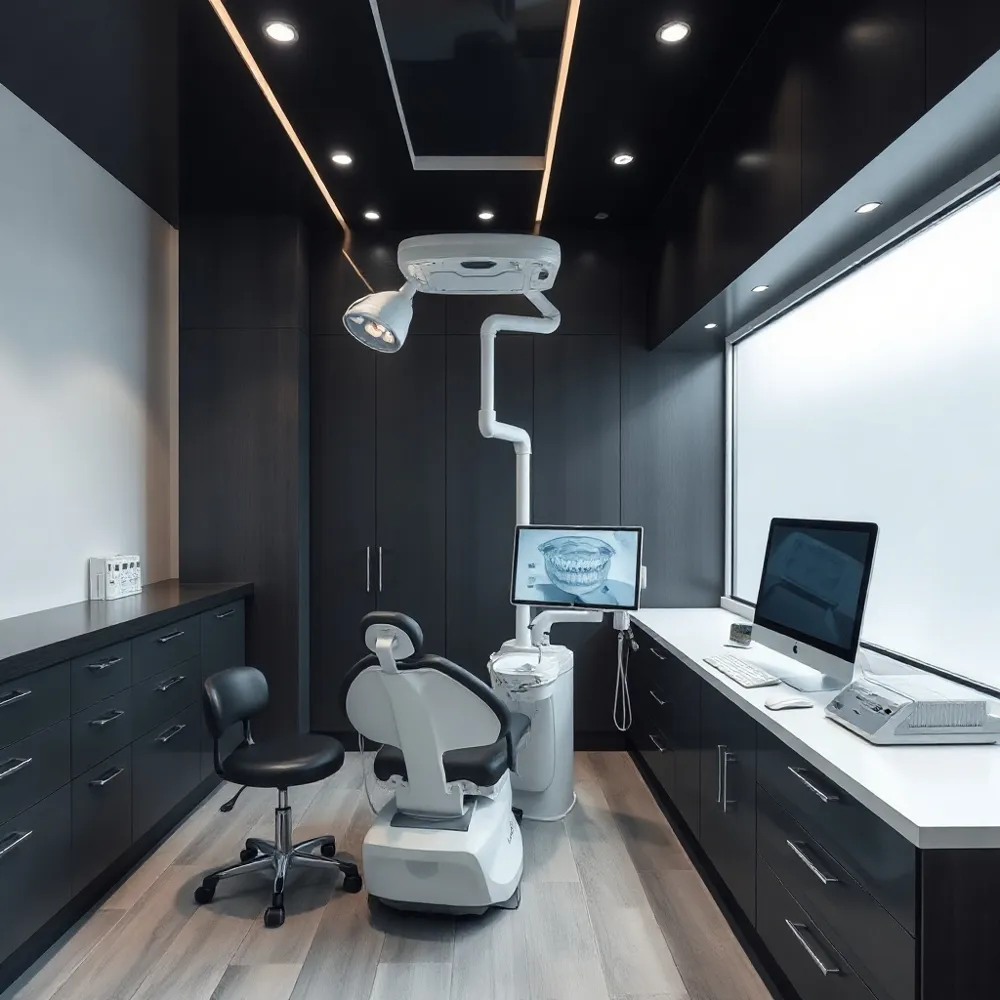 Modern dentistry relies heavily on precision diagnostics to ensure successful patient outcomes. One of the most significant leaps in this field is Dental cone beam CT, a specialized imaging technology that captures high-resolution, three-dimensional models of a patient's oral and maxillofacial structures. Unlike traditional two-dimensional X-rays, which suffer from image distortion and anatomical overlapping, Cone beam computed tomography provides a clear, 1:1 ratio view of the teeth, nerves, and surrounding bone tissue.
What are the primary advantages of using 3D dental imaging?
At ashleyburnsdds.com, we utilize advanced 3D scanning to gain a comprehensive understanding of each patient's unique anatomy. This high level of detail is indispensable for complex procedures. For instance, in dental implant planning, 3D imaging allows for the precise measurement of bone density and volume, ensuring the optimal size and positioning of implants. This accuracy minimizes surgical risks and enhances the predictability of the final restoration.
Beyond implantology, this technology serves as a vital tool for endodontic and orthodontic care. It reveals hidden complexities, such as accessory root canals or specific tooth alignment issues, which might remain invisible on standard 2D radiographs. Because digital dentistry focuses on enhancing both safety and clinical precision, the use of CBCT allows for a more patient-centered approach. By providing a clear visual aid, we can help you understand your oral health status and the reasoning behind your proposed treatment plan, ultimately fostering greater confidence in your dental care.
| Feature | 2D X-Ray | 3D CBCT |
|---|---|---|
| View | Flat/2D | Volume/3D |
| Detail | Basic | Sub-millimeter |
| Diagnostic Use | General | Complex/Surgical |
Safety Protocols and Radiation Management in 3D Scans
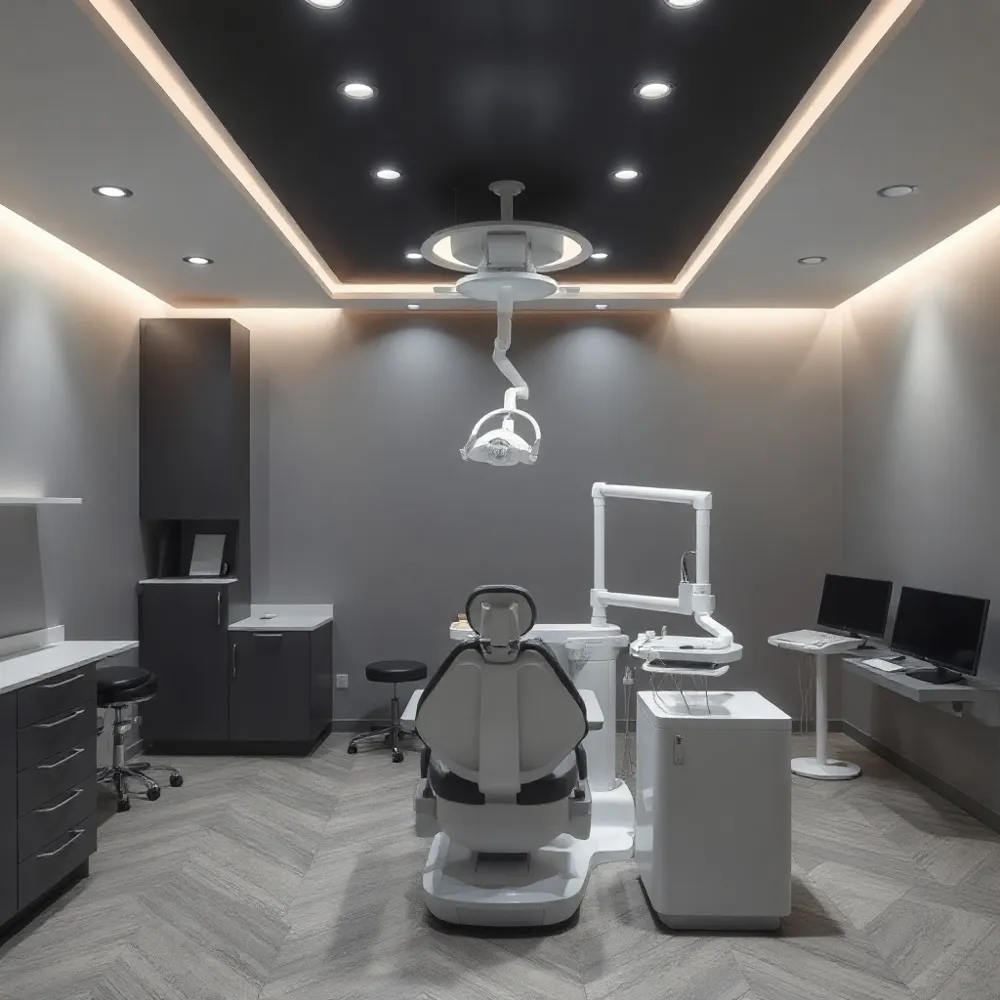 Modern dental practices prioritize patient well-being by integrating advanced diagnostic tools only when they offer a clear clinical advantage. Dental cone beam computed tomography serves as a primary example of this precision, providing detailed 3D views of teeth, bone, and soft tissue that traditional 2D X-rays often miss. While these scans involve ionizing radiation, they are highly controlled and typically involve far lower doses than conventional medical CT examinations, which can deliver radiation doses 6 to 15 times higher than specialized dental units, per PMC research.
To maintain high safety standards, clinicians adhere to the ALARA principle (As Low As Reasonably Achievable). This protocol ensures that every scan is justified by a specific diagnostic need, with settings optimized for the patient's individual size and the specific anatomical area of interest. By utilizing field of view collimation, the X-ray beam is restricted only to the area requiring examination, further minimizing unnecessary exposure.
At ashleyburnsdds.com, we recognize that younger patients may have higher sensitivity to radiation, which is why we approach every imaging decision with individualized care. Our commitment to patient-centered dental care means we discuss the necessity of any scan with you directly. This transparent approach ensures you feel confident that the diagnostic data gained from 3D imaging significantly outweighs the risks, helping us deliver safer, more predictable results for everything from complex implant placement to orthodontic alignment.
Efficiency and Procedure Duration for Patients
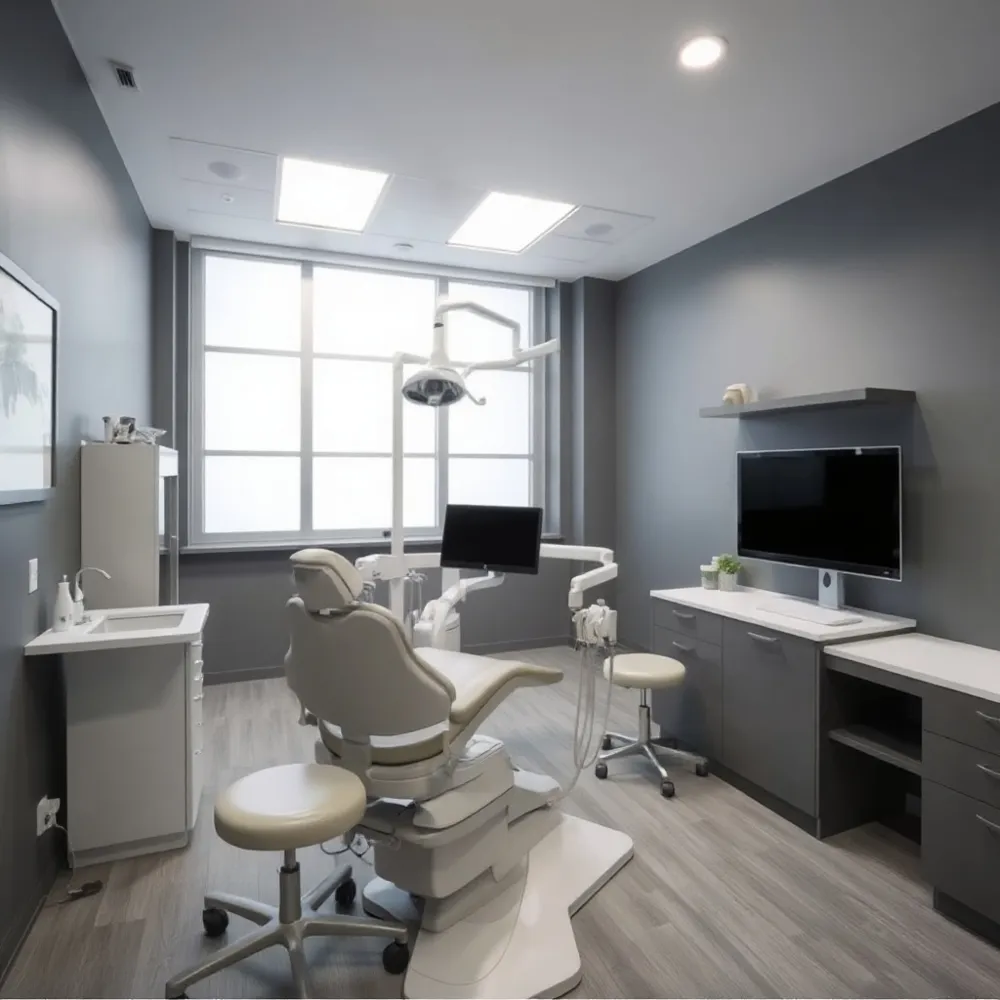 Efficiency in modern dental care is driven by advanced diagnostic tools that prioritize both accuracy and patient comfort. A Dental Cone Beam CT scan is a non-invasive, highly effective procedure designed to minimize time spent in the dental chair. While conventional methods might require multiple appointments, ashleyburnsdds.com utilizes this technology to capture comprehensive anatomical data in a single, streamlined rotation.
How long does a 3D dental scan take?
A 3D dental scan is remarkably quick, typically capturing the necessary images in anywhere from 10 to 40 seconds depending on the specific diagnostic requirement per radiologyinfo.org. During this brief window, the machine rotates 360 degrees around the head to reconstruct a complete 3D volume. At ashleyburnsdds.com, we emphasize that patients must remain perfectly still during this short rotation to ensure maximum image clarity and diagnostic precision.
Preparation for the appointment is minimal. Patients are typically asked to remove metal objects such as jewelry or eyeglasses as noted by radiologyinfo.org, as these items can interfere with image quality. By integrating these quick, high-resolution scans into our workflow, we ensure that you receive immediate feedback and a clear, personalized path forward for your oral health needs.
Clinical Applications and Insurance Considerations
Advanced Dental Cone Beam CT technology has become a vital asset for complex diagnostic and surgical planning. While traditional 2D radiography remains effective for routine checkups, CBCT offers sub-millimeter resolution that is critical for evaluating internal anatomy. At ashleyburnsdds.com, we utilize these high-resolution images to map nerve pathways and bone density, significantly improving the success rates for dental implants and challenging endodontic procedures.
Is a CBCT scan always necessary for procedures like root canals?
No, a CBCT scan is not always necessary for every root canal procedure. While standard 2D radiographs remain the primary tool for initial diagnosis, your dentist will recommend a CBCT scan when more detailed, three-dimensional information is required. These scans are particularly valuable for complex cases, such as identifying hidden or calcified root canals, diagnosing subtle fractures, or assessing the extent of an infection that may not appear clearly on 2D images. By providing this advanced diagnostic clarity, a CBCT helps ensure the most precise and effective treatment plan for your specific dental needs. Ultimately, the decision to utilize this technology is based on your dentist’s clinical judgment to provide you with the safest and most predictable outcome.
How is the cost of 3D dental imaging determined and is it covered by insurance?
The cost of dental CBCT is determined by the complexity of the diagnostic needs and the specific anatomical structures requiring evaluation. Because CBCT provides high-definition, 3D views essential for precise procedures like implant placement, it is generally priced higher than traditional 2D X-rays. Regarding insurance, coverage policies vary significantly between providers. Some insurers now include coverage for cone beam computed tomography when deemed medically necessary. Other policies may categorize advanced imaging differently, potentially requiring an out-of-pocket payment. We encourage you to contact your insurance provider or our office directly to verify your specific coverage details before your appointment.
Empowering Your Smile Through Advanced Technology
Modern dental care at ashleyburnsdds.com centers on integrating advanced diagnostics to provide a clearer picture of your oral health. By utilizing Dental Cone Beam CT technology, our team moves beyond the limitations of traditional 2D X-rays to offer personalized treatment plans grounded in precise anatomical data. This commitment to technology enhances our diagnostic accuracy for procedures like implant placement, ensuring each step of your care is as predictable and safe as possible.
Understanding your dental needs is easier when you can visualize your own anatomy. Our use of 3D imaging transforms complex health data into visual insights, empowering you to participate actively in your treatment decisions. We invite you to schedule a consultation with our office to discuss your unique needs and explore how modern digital tools can support a healthier, more confident smile.