Why a Calm Dental Visit Matters
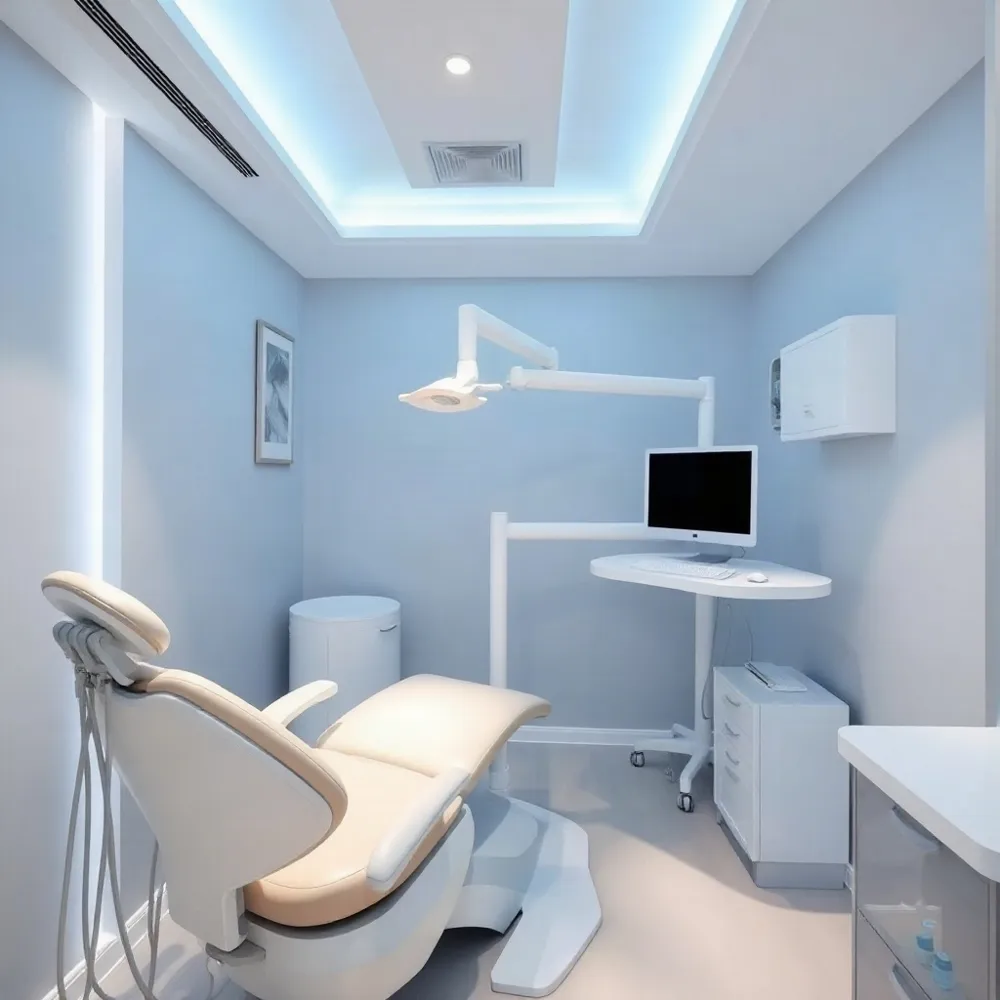
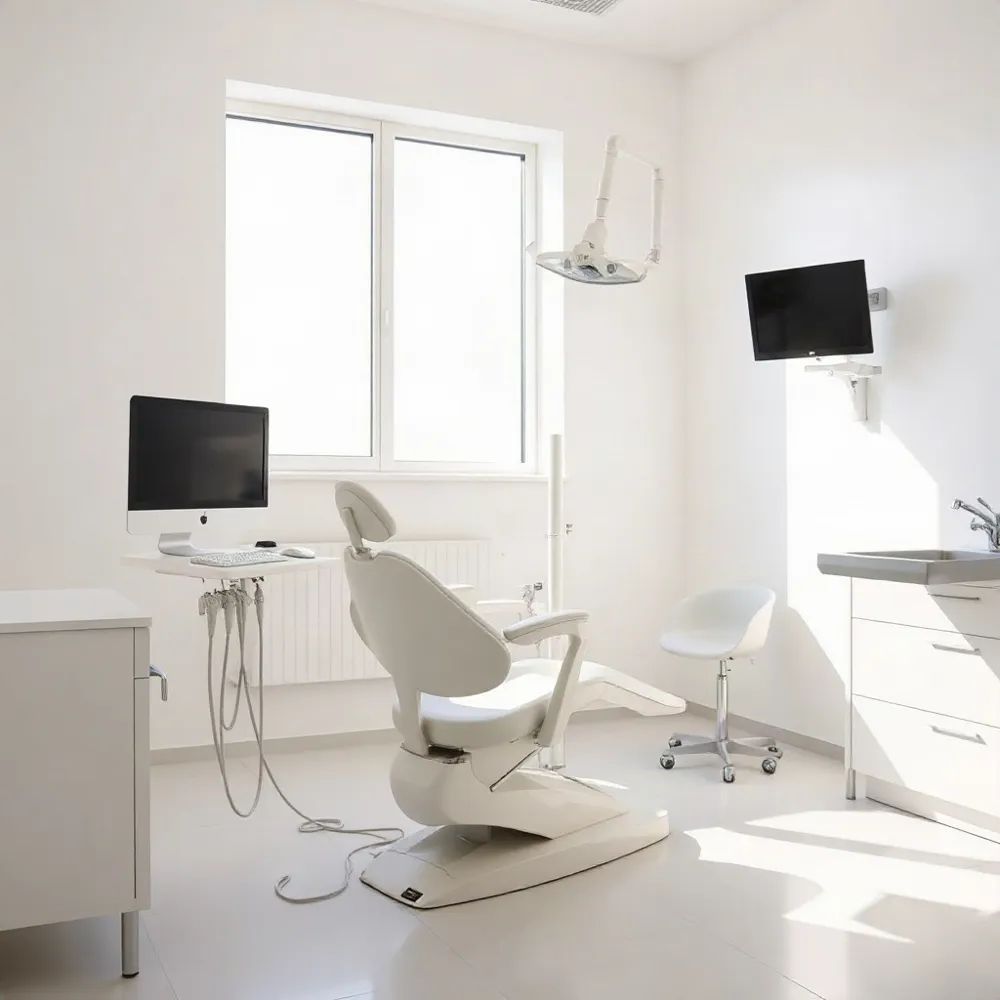
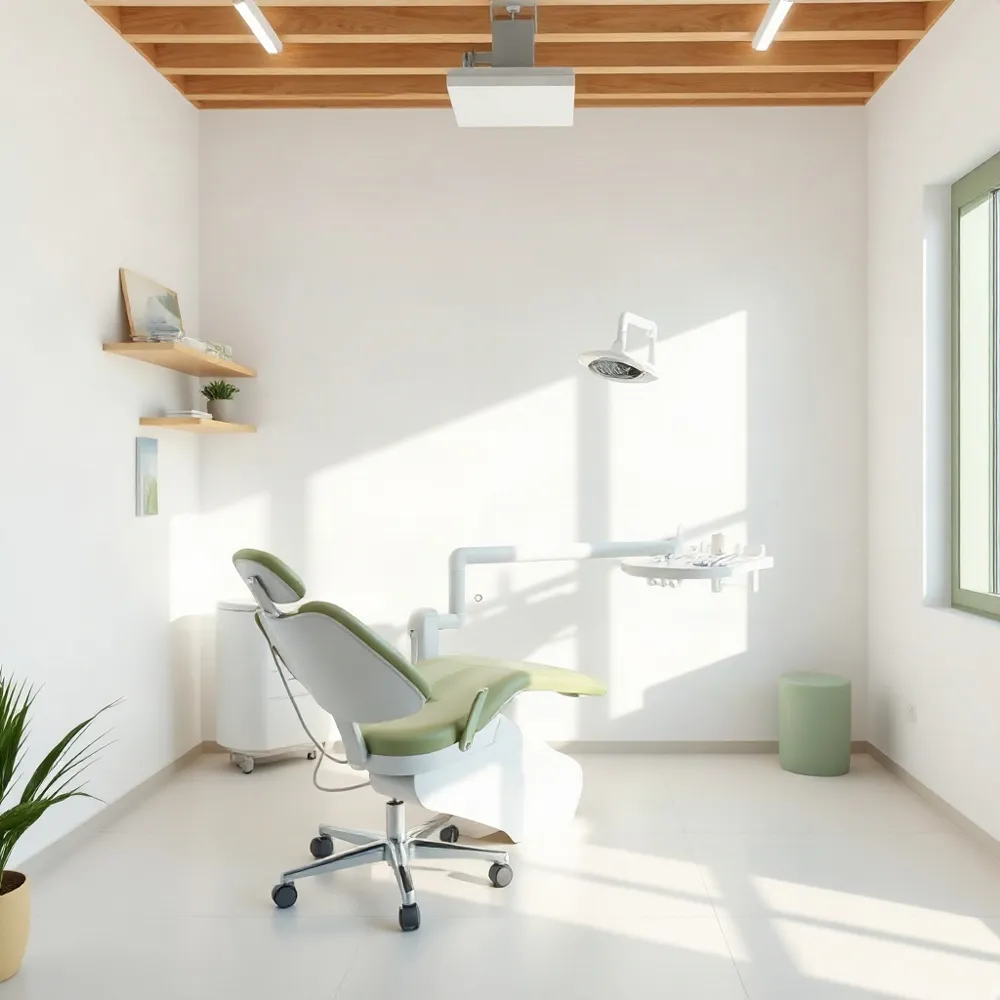
The physical space of a dental practice plays a larger role in patient comfort than many people realize. Simple design choices, such as calming colors, natural light, and a noise-free setting, can significantly lower stress levels before treatment even begins. According to the American Dental Association, creating a soothing environment is one of the most effective ways to reduce anxiety in both dentists and patients during their visits.
Beyond the physical layout, the team's approach matters just as much. A warm greeting, clear communication about each step of the procedure, and the option to pause at any time help patients feel in control. Strategies like offering a signal for discomfort, explaining sensations before they happen, and using gentle language transform a potentially stressful appointment into a manageable one. These patient-centered techniques, outlined in research on managing dental anxiety, build trust and make future visits easier.
Calm Environment. Incorporate soothing decor, soft lighting, and noise reduction to create a peaceful atmosphere. This foundation reduces sensory triggers that often heighten anxiety.
Team Communication. Use clear, reassuring language and offer patients the ability to stop or take breaks. This collaborative approach empowers patients and reduces fear of the unknown.
Comfort Amenities. Provide items like weighted blankets, headphones with calming music, or stress balls. These small additions give patients a sense of control and distraction during treatment.
| Comfort Strategy | How It Helps | Example Implementation |
|---|---|---|
| Calming decor | Reduces visual stress | Use muted wall colors and plants |
| Natural light | Improves mood and relaxation | Open curtains or use skylights |
| Quiet environment | Minimizes anxiety triggers | Play soft background music |
| Pause signals | Gives patient control | Establish a hand raise signal |
| Warm communication | Builds trust and clarity | Explain each step beforehand |
When these elements work together, they create a feedback loop: a calmer environment reduces anxiety, which makes the procedure easier, which in turn makes patients more willing to return. This holistic approach is central to how ashleyburnsdds.com frames patient care, ensuring every visit feels safe and supportive.
Understanding Dental Anxiety
 Recognizing dental anxiety early makes it easier to address. While some patients feel a mild sense of unease, others experience intense fear that interferes with regular care. Common physical signs include a racing heartbeat, sweaty palms, shallow breathing, or an upset stomach when thinking about or sitting in the dental chair. Behavioral clues matter just as much: canceling appointments, delaying routine checkups, or feeling the urge to leave mid-visit can all point to underlying anxiety. Emotional responses, such as irritability or a sense of helplessness, are also part of the picture. Being aware of these signals helps both patients and dental teams respond with extra patience and tailored support.
The impact of dental anxiety extends beyond the appointment itself. People who struggle with it often avoid necessary treatments, which can allow small issues to become more serious over time. This avoidance cycle is common, and it underscores why recognizing the signs early is so valuable. When you know what anxiety feels like for you, you can communicate it to your dental team and work together on a plan that keeps you comfortable.
Why These Reactions Happen
Dental anxiety often stems from past experiences, fear of pain, or a feeling of losing control. The sights, sounds, and sensations of a dental office can trigger a stress response even in people who know intellectually that the visit will be fine. Understanding this reaction is the first step toward managing it. Many patients find comfort in knowing they are not alone, and that dental teams are trained to recognize and accommodate these feelings.
A key part of reducing anxiety is preparation. Simple strategies like bringing headphones, agreeing on a stop signal, or scheduling a consultation beforehand can make the experience feel more manageable. For those who need extra support, sedation options for nervous dental patients offer a way to feel relaxed while still receiving the care they need. Knowing what to expect and having choices can transform a daunting visit into a manageable one.
Physical signs. Rapid heartbeat, shallow breathing, sweating, trembling, or nausea when facing dental care.
Behavioral signs. Avoiding appointments, canceling at the last minute, or feeling restless in the chair.
Emotional signs. Intense fear, dread, irritability, or a sense of helplessness tied to dental treatment.
How to Break the Cycle
Breaking the avoidance cycle starts with honest communication. Tell your dentist and their team about your anxiety before the appointment begins. A compassionate practice will listen without judgment and adapt the experience to your comfort level. Building trust through patient-centered dental care is about exactly this kind of collaboration, where your needs guide every step.
Gradual exposure can also help. Start with a simple checkup or even just a tour of the office before committing to a full procedure. This lets you become familiar with the environment and the team at your own pace. Techniques like deep breathing, progressive muscle relaxation, or focusing on calming music can keep your body from staying in a heightened state of alert. Over time, these strategies can rewire your response to dental care, replacing fear with a sense of control.
| Common Signs | What It Feels Like | Helpful Approach |
|---|---|---|
| Racing heart | Anxiety or panic | Practice slow breathing |
| Avoiding visits | Fear of pain or loss of control | Discuss options with your dentist |
| Restlessness | Discomfort in the chair | Use a stop signal |
| Sweating or trembling | Nervousness | Listen to calming music |
The path to comfortable dental care does not require eliminating anxiety completely. It starts with acknowledging the feeling and taking small, deliberate steps to address it. With the right support, you can move from dread to ease, and understand how to cope with dental anxiety in a way that works for you.
Designing a Soothing Reception Area
 The physical environment of a dental office does more than set a tone; it can directly influence a patient's anxiety levels. A thoughtfully designed space that prioritizes comfort can transform a potentially stressful visit into a more relaxed experience. This aligns with research that emphasizes how managing the sensory environment is a core strategy for helping anxious patients. For instance, a calm setting, combined with clear communication, has been shown to reduce perceived pain and discomfort during treatment. Creating a comfortable dental environment for all patients is a foundational aspect of patient-centered care.
Designing a Soothing Reception Area
The reception area is the first point of contact and sets the stage for the entire visit. Calming colors, comfortable seating, and soothing music are more than just aesthetic choices; they are deliberate tools to reduce stress. A space with soft, muted tones and natural light can help lower a patient's heart rate before they even sit in the dental chair. This approach is supported by strategies for creating a calm environment, which can be as simple as offering a warm beverage or providing noise-canceling headphones to minimize the sound of dental equipment. Such details signal that the practice understands and addresses patient anxieties from the moment they walk in.
The goal is to make the waiting room feel less like a medical facility and more like a comfortable living space. Adding elements like plants, soft textures, and reading material can further distract from any apprehension. For practices looking to improve, these design choices are a direct reflection of a patient-centered philosophy. A comfortable reception area is often the first step in building trust and reassuring patients that their comfort is the primary priority.
Communication and Trust in the Treatment Room
Once in the treatment room, the focus shifts to clear, compassionate communication. Dentists and their teams can significantly reduce anxiety by explaining each procedure in plain language, answering questions openly, and using a gentle touch. A technique known as "tell-show-do" is often used, where the dentist explains what they are about to do, shows the instrument, and then proceeds. This builds predictability and trust, which are essential for nervous patients. This collaborative approach is central to building trust through patient-centered dental care, where the patient's comfort and understanding are integrated into every step of the treatment.
Advanced Comfort and Sedation Options
For patients with significant anxiety, modern dentistry offers several effective tools. Beyond the calming environment, options like nitrous oxide (laughing gas) or oral sedatives can help patients relax while remaining conscious. These sedation options for nervous dental patients are designed to be safe and effective, allowing for a comfortable and productive visit. At Ashley Burns, DDS, we prioritize integrating these advanced techniques with our warm, patient-centered environment. We believe in using technology to enhance comfort, not replace the human connection. Our goal is to provide a visit that is as relaxing as it is comprehensive, ensuring that each patient leaves with a healthy smile and a positive outlook on dental care.
Building Trust Through Clear Communication
 Clear, compassionate communication is one of the most effective tools a dental team can use to reduce a patient's fear of the unknown. When patients understand what will happen and why, they feel more like partners in their care than passive recipients of treatment.
The Tell-Show-Do Approach
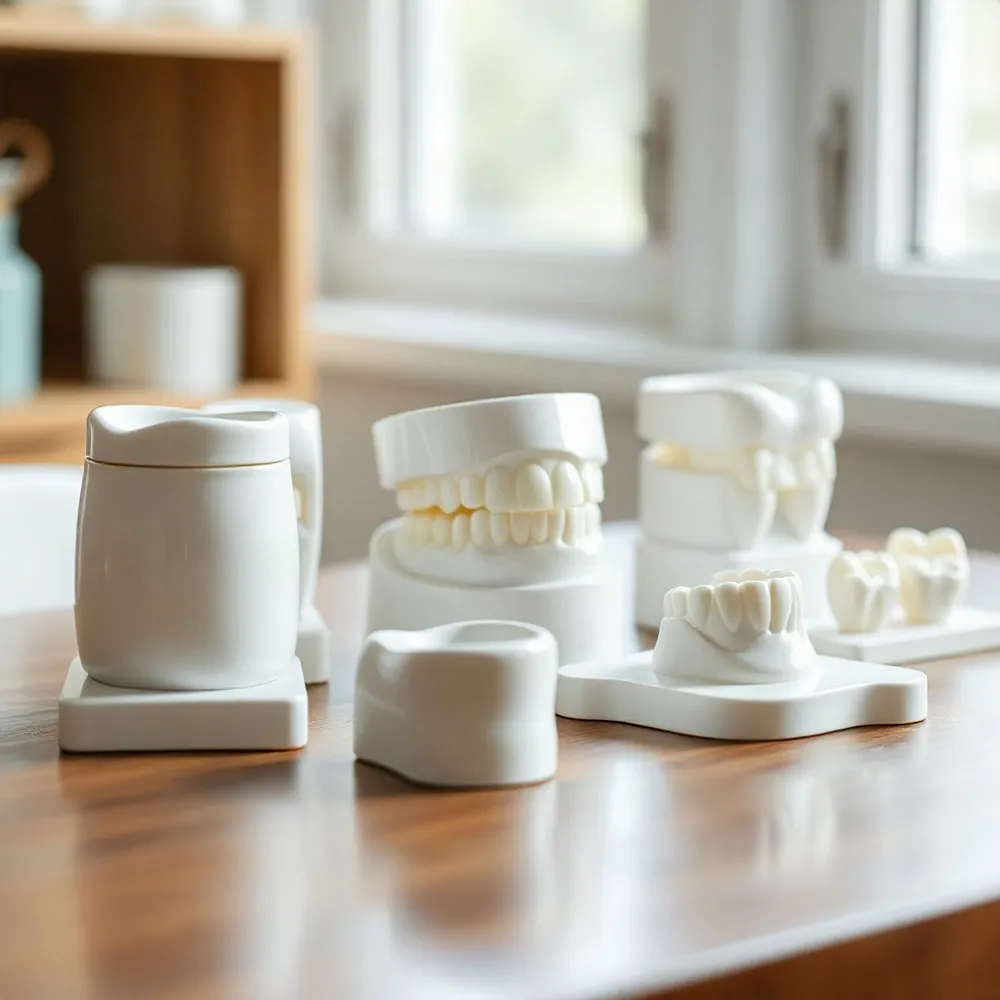
The "tell-show-do" method is a widely recommended strategy for easing anxiety at every stage of a visit. First, the dentist tells the patient what will happen using simple, jargon-free language. Then, they show the patient an instrument or model so there are no surprises. Finally, they do the procedure. This step-by-step process gives the patient time to process information and ask questions before anything begins, reducing the startle response that often spikes anxiety.
Encouraging Questions and Active Listening
The most effective communication is a two-way street. Dentists should invite patients to ask any question, no matter how small, and respond with patience rather than rushed answers. Research published in the Journal of Dental Education confirms that explaining procedures in a clear, empathetic tone builds trust and reduces the fear that drives many patients away from routine care.
This same approach to transparent, partnership-focused dialogue is central to how Dr. Ashley Burns's team fosters a trusting environment. Every conversation, from the first phone call to the post-treatment check, is designed to give patients clarity and a sense of involvement in their own care.
Empowering Patients With Control
Dental anxiety is a common and deeply personal experience that affects millions of people, often leading them to delay or avoid necessary care. It stems from a variety of sources: past traumatic visits, fear of pain, feelings of helplessness, or even the sounds and smells of a dental operatory. For many, this isn't a mild unease but a genuine phobia that triggers a physical fight-or-flight response. Understanding that these feelings are valid and widely shared is the first step toward overcoming them. Research shows that acknowledging the fear, rather than suppressing it, is essential to breaking the cycle of avoidance.
A key aspect of managing dental anxiety is recognizing the physical sensations that accompany it. A racing heart, sweating palms, and shallow breathing are all part of the body's natural alarm system. When you understand that these reactions are normal, you can begin to use specific coping strategies. Techniques like deep, slow breathing, progressive muscle relaxation, and guided mental imagery help activate the parasympathetic nervous system, which counteracts the stress response. For example, a common exercise is the 4-7-8 breathing technique: inhale for four seconds, hold for seven, and exhale slowly for eight. Practicing these methods at home before your appointment builds a sense of control that carries directly into the dental chair.
How Dentists Help Patients Feel at Ease
Modern dentistry has evolved significantly to prioritize patient comfort, and a skilled dentist will actively work to create a calm, reassuring environment. One of the most effective approaches is open communication. A dentist who listens without judgment, explains each step before starting, and encourages questions builds trust. This is where the concept of a “comfortable dental environment” comes into play. Practices that focus on patient-centered care often offer amenities like warm blankets, noise-canceling headphones, and calming music to distract from the clinical setting. More importantly, they give you control. Using a stop signal, such as raising your hand to pause treatment, empowers you to feel safe and respected.
Beyond environmental adjustments, many practices offer sedation options for those who need extra support. From nitrous oxide, commonly known as laughing gas, to oral sedatives and even IV sedation, these options are designed to take the edge off while keeping you conscious and responsive. The goal is not to knock you out but to help you relax enough to receive care comfortably. As a result, even patients who have avoided the dentist for years can complete their treatment in a single, calm visit. If you’re curious about how these strategies work in practice, learning about patient-centered comfort measures can be transformative.
Ultimately, overcoming dental anxiety is a collaborative effort between you and your dental team. By choosing a provider who understands your fears and actively works to reduce them, you’re taking a powerful step toward better oral health. Remember, you are in charge of your care, and a good dentist will always respect your pace and preferences. Whether it’s through relaxation techniques, sedation, or simply a gentle, understanding approach, there is always a path forward. And that path begins with a single, compassionate conversation.
| Fear Trigger | Physical Response | Coping Strategy |
|---|---|---|
| Sounds of drill | Increased heart rate | Use noise-canceling headphones or listen to music |
| Lack of control | Muscle tension | Agree on a stop signal (raise hand) to pause |
| Past trauma | Sweating, nausea | Seek a dentist who offers sedation and clear explanations |
| Needles/pain | Fight-or-flight urge | Consider topical numbing gel or nitrous oxide |
Distraction and Relaxation Techniques
A thoughtfully designed office does more than look nice; it shapes how you feel the moment you walk in. For many people, the sights, sounds, and smells of a dental practice trigger anxiety before they even sit in the chair. Simple changes to the physical space can make a real difference, and the science supports this: research shows that a calm environment helps reduce stress and improves the overall experience for nervous patients. When a practice pays attention to these details, it signals that your comfort is a priority, not an afterthought.
One of the most effective ways to create a soothing atmosphere is through distraction. Many patients find that focusing on something pleasant, like music or a show, helps ease their nerves. Distraction and relaxation techniques, such as listening to music or watching a screen, are proven ways to lower anxiety during treatment. Other strategies include playing calming sounds, using gentle lighting, and offering cozy blankets or warm towels. These small touches help shift your attention away from the procedure and toward comfort, making the visit feel far less intimidating.
Why the Environment Matters
The physical environment plays a powerful role in how anxious you feel. According to Better Health Victoria, dental anxiety often stems from fear of pain, loss of control, or past negative experiences. A calm, welcoming space can help counter those fears. This is why many practices focus on creating a comfortable environment, from soothing colors and natural light to a noise-free setting. The goal is to make you feel at ease before any treatment begins.
You can also take steps to prepare for your own comfort. For instance, bringing headphones to listen to your favorite music or a podcast can help you relax. Many patients find that having a trusted friend or family member accompany them provides extra support. If you're unsure what might help, asking your dental team about tips for overcoming dental anxiety can give you practical ideas to try before your next visit.
Techniques That Help You Relax
Beyond the environment, specific techniques can ease your nerves during treatment. Research shows that methods like guided imagery, deep breathing, and progressive muscle relaxation can reduce dental anxiety. These techniques work by giving your mind something calming to focus on, rather than the sights and sounds of the dental office. Some practices also offer sedation options for patients who need extra help feeling calm, whether it's nitrous oxide or a mild oral sedative.
For those who prefer non-pharmacological approaches, simple strategies can be surprisingly effective. Listening to calming music, using a stress ball, or watching a favorite show on a screen can all serve as distractions. According to the American Dental Association, these kinds of techniques help both dentists and patients feel more at ease. The key is finding what works for you, whether that's a familiar song or a guided breathing exercise.
Building Trust Through Understanding
A calm visit isn't just about the space or the techniques; it's also about the relationship you build with your dental team. When you feel heard and understood, anxiety often fades. Practices that focus on patient-centered care take time to explain each step, answer your questions, and check in with you throughout the visit. This collaborative approach helps you feel in control, which is one of the strongest antidotes to fear.
| Strategy | How It Helps | Example |
|---|---|---|
| Distraction | Shifts focus away from treatment | Listening to music or a podcast |
| Relaxation | Calms the body's stress response | Deep breathing or guided imagery |
| Comfort measures | Reduces physical tension | Warm blankets or a stress ball |
Compassionate Care and Professional Training
The people you meet during a dental visit can shape your entire experience. From the first phone call to the final goodbye, the tone, body language, and empathy of the dental team play a major role in how comfortable you feel. For nervous patients, a warm greeting and a reassuring voice can make the difference between canceling an appointment and actually showing up.
Research shows that dental anxiety is common, and strategies to manage it often focus on the patient's mental state. But the dental team's behavior is just as important. When staff members receive proper training in patient-centered communication, they learn to recognize fear, respond with patience, and avoid judgment. This creates a supportive environment where you don't have to hide your anxiety.
The Role of Staff Tone and Body Language
A calm voice, steady eye contact, and an open posture can signal safety before a single word is spoken. Non-verbal cues have a powerful impact on patient comfort, and trained staff use these signals deliberately. For example, slowing down movements, offering a gentle smile, and avoiding sudden gestures can help a nervous patient settle into the chair.
Verbal communication matters too. Instead of saying "you'll feel a pinch," a trained team member might say "I'm going to touch your cheek now." This simple language shift prepares you without triggering fear. Building trust through transparent communication means every explanation is clear, honest, and given at your pace.
How Training Translates to a Better Visit
Formal training programs teach dental teams to reduce anxiety and stress in patients during their visit. This includes knowing when to pause, how to offer breaks, and how to use reassurance without dismissing your feelings. A team that has practiced these skills can adapt to each patient's unique needs, whether that means explaining each step or simply holding your hand.
At our Midland, Texas practice, we believe a comfortable dental environment starts with the people in the room. Our team is trained to read the room, listen actively, and prioritize your emotional well-being. We know that when you feel safe, the clinical work becomes easier for everyone involved.
What to Look for in a Dental Team
Warmth. A friendly greeting and a genuine interest in how you're feeling, not just what treatment you need.
Clarity. Explanations that use plain language and avoid jargon, so you always know what's happening next.
Patience. A willingness to slow down, answer repeated questions, and never rush you through the appointment.
Empathy. An understanding that your fear is real, plus the ability to respond without judgment or pressure.
These qualities aren't just nice to have; they are the result of intentional staff training and a patient-centered culture. When you visit a practice that invests in these skills, you'll notice the difference from the moment you walk in.
Making Your Comfort the Priority
If you've avoided the dentist because of anxiety, know that you are not alone. A skilled dental team can help you feel at ease through proven techniques for calming anxious patients. The goal is not to eliminate all fear overnight, but to take a small, comfortable step forward at each visit.
Our practice focuses on creating a calm, welcoming space where your concerns are heard. From the first call to the final checkup, our team is here to support you. You deserve a dental experience that respects your courage and prioritizes your peace of mind.
| Training Aspect | How It Helps You | Example in Practice |
|---|---|---|
| Communication | Reduces fear of the unknown | Explaining each step before starting |
| Body language | Builds trust non-verbally | Open posture and eye contact |
| Pacing | Prevents overwhelm | Offering breaks during long procedures |
| Empathy | Validates your feelings | Acknowledging anxiety without judgment |
A Calmer Visit for Better Oral Health
For most people, the dental chair is simply a place to get work done. For others, it triggers a cascade of fear that can make even a routine cleaning feel overwhelming. This reaction is far from rare. Research published by the U.S. National Library of Medicine notes that dental anxiety and phobia are widespread, with many patients avoiding necessary care altogether because of it.
The sources of this fear vary. Some patients have had a painful or traumatic dental experience earlier in life. Others feel a loss of control when they can't see what's happening or can't easily communicate with the dentist mid-procedure. Still others respond to the sensory side of dentistry—the sound of the drill, the smell of antiseptic, or the sensation of numbness. Understanding these specific triggers is the first step toward managing them, because each one calls for a slightly different coping strategy.