A New Era in Dental Comfort
Modern dentistry is shifting away from the traditional, anxiety-inducing hum of mechanical drills. At ashleyburnsdds.com, we utilize laser dentistry to offer a precise, less invasive alternative for a wide range of oral health needs. By using focused light energy rather than mechanical force, we can provide treatments that are remarkably gentle on both tooth structure and gum tissue.
The primary advantage of this technology is a significant improvement in patient comfort. Many procedures performed with lasers require less or no local anesthesia, allowing our patients to skip the needle and enjoy a quieter, more relaxed visit. We believe that by minimizing the noise and vibration often associated with cutting-edge dental technologies, we can help you feel more at ease during your care.
What Is Laser Dentistry?
 At ashleyburnsdds.com, laser dentistry uses focused light energy to provide precise treatment, marking a departure from the mechanical noise and vibration of traditional dental drills. This technology operates by emitting a monochromatic and coherent beam of light that interacts with oral structures through photothermal and photochemical mechanisms, allowing for the accurate removal or modification of tissue.
Practitioners select specific lasers based on the target tissue. Soft tissue lasers, such as carbon dioxide (CO2) and diode lasers, are typically used for gum contouring and bacteria removal, while hard tissue lasers like Erbium-doped yttrium aluminum garnet (Er:YAG) are optimized for teeth and bone. These tools function as a sophisticated complement to conventional instrumentation rather than a complete replacement, ensuring that procedures like cavity preparation or periodontal therapy remain highly effective.
For patients considering these advanced options, it is helpful to note that laser therapy is FDA-approved for numerous dental applications. While traditional burs may still be required for complex restorative work, the precision of lasers often minimizes the need for anesthesia and helps preserve more natural tooth structure, leading to a more comfortable and efficient experience.
How Lasers Minimize Pain During Treatment
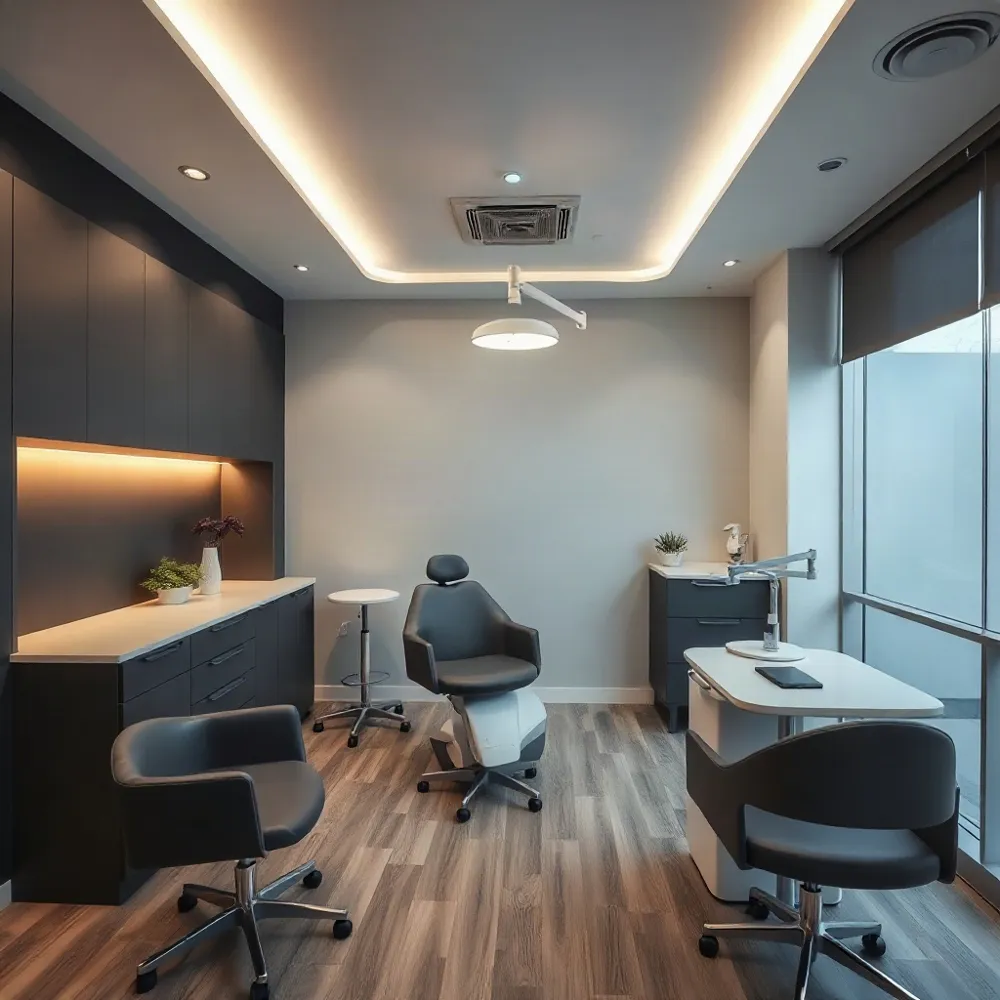 By utilizing focused light energy, laser dentistry transforms the patient experience through unprecedented precision. Unlike traditional mechanical burs that rely on vibration and physical pressure, lasers selectively target diseased tissue while leaving surrounding healthy structures untouched. This level of accuracy significantly reduces trauma to the mouth, which is a core reason why many patients at ashleyburnsdds.com report a more comfortable procedure overall.
The mechanism itself contributes to reduced discomfort. As the laser removes tissue, it simultaneously seals small blood vessels and nerve endings. This cauterization effect minimizes bleeding and post-operative sensitivity, often allowing for treatments that require little or no local anesthesia. Furthermore, because these tools operate without the high-pitched hum or mechanical rattling of standard drills, they effectively lower the dental anxiety that often amplifies a patient's perception of pain.
Does laser dental treatment cause pain or side effects?
Most patients find laser dentistry to be significantly more comfortable than traditional methods, as the high precision of the laser often reduces the need for anesthesia and minimizes discomfort during treatment. Because the technology is less invasive, it typically results in less post-procedural bleeding, swelling, and inflammation compared to conventional tools. Furthermore, advanced techniques like photobiomodulation can actively support tissue healing and help manage sensitivity following a procedure. While side effects are minimal and rare, they are effectively mitigated by the laser's ability to cauterize tissue as it works. Dr. Burns will always discuss your specific treatment plan and post-procedure care with you to ensure you feel informed, comfortable, and well-supported throughout your healing process.
Faster Recovery with Less Bleeding and Swelling
 Laser dentistry transforms the recovery experience by utilizing photothermal ablation, a process that seals blood vessels and lymphatic vessels immediately upon contact. This precision significantly reduces both intraoperative and postoperative bleeding compared to traditional surgical techniques.
At ashleyburnsdds.com, we prioritize this technology because it minimizes tissue trauma, leading to noticeably less swelling and inflammation. While conventional instruments often require sutures to manage soft tissue incisions, lasers frequently seal the area during the procedure, eliminating the need for stitches entirely.
This advanced approach results in faster healing times for our patients, helping them return to their daily routines with minimal downtime. By opting for a laser-assisted procedure, you benefit from a cleaner, more controlled healing environment that encourages the body's natural repair processes.
Infection Control: Sterilization Built into the Procedure
The antimicrobial effect of laser energy provides a distinct advantage in maintaining a clean treatment environment. Unlike manual instruments that may leave bacteria behind, lasers destroy pathogens on contact by emitting high-energy light. This natural, chemical-free sterilization of the operative field helps ensure that even the most difficult-to-reach areas remain clean throughout the intervention.
By effectively decontaminating periodontal pockets and disinfecting root canals, lasers significantly minimize the risk of postoperative infections. This capability is also essential for treating peri-implantitis, as the focused light removes bacterial biofilms from implant surfaces with precision. At ashleyburnsdds.com, we incorporate this advanced technology to enhance clinical outcomes, offering a safer and more hygienic alternative to traditional methods that often rely solely on chemical irrigation.
Photobiomodulation: Healing from the Cellular Level
Beyond its surgical precision, laser dentistry leverages photobiomodulation, also known as low-level laser therapy (LLLT). This advanced technique uses specific wavelengths of light to stimulate cellular metabolism, which directly accelerates tissue repair following procedures.
By activating cells at this fundamental level, therapy helps reduce inflammation and provides effective analgesia after surgical intervention. As noted in current clinical research, this restorative process promotes faster overall recovery, helping patients return to their normal routines with significantly less post-procedure discomfort.
When Traditional Tools Are Still Needed
While laser technology offers a precise and comfortable alternative for many procedures at ashleyburnsdds.com, it functions best as a complement to traditional instrumentation rather than a complete replacement. Conventional dental tools, including mechanical drills and scalpels, remain essential for specific clinical scenarios where laser systems may not be indicated. Understanding these distinctions ensures patients receive the most appropriate and effective care for their unique oral health needs.
The primary limitations of current laser systems involve their interaction with existing dental materials and deep decay. Lasers cannot treat teeth that already contain existing fillings, nor are they suitable for addressing cavities located between teeth. Furthermore, traditional mechanical approaches remain the standard for removing existing restorations like crowns or bridges and managing extensive tooth decay. While some practices suggest that lasers can handle all restorative work, we prioritize evidence-based outcomes at ashleyburnsdds.com, utilizing conventional tools whenever they provide superior precision or reliability for complex cases.
- Lasers are not indicated for interdental cavities or teeth with previous fillings.
- Traditional tools are required for removing existing crowns, bridges, and restorations.
- Extensive tooth decay often necessitates conventional burs to ensure thorough removal.
- Laser dentistry is a sophisticated tool for specific minimally invasive tasks, not a universal substitute for all dental instrumentation.
Choosing the right technology requires a professional assessment of your dental anatomy and history. While lasers provide a less invasive experience with minimized bleeding and faster healing, the safety and success of any procedure depend on selecting the most appropriate instrument for the task. We carefully evaluate each case at ashleyburnsdds.com to ensure your treatment plan balances modern innovation with proven, effective mechanical standards.
Insurance and Cost Considerations
Understanding the financial aspects of modern dental care is vital when planning your treatment. Whether laser dentistry is covered by insurance typically depends on the medical necessity of the procedure rather than the specific technology employed. Most insurance plans prioritize essential treatments like fillings or periodontal therapy, and coverage generally follows the standard terms for these services regardless of the tools used.
It is important to note that elective or cosmetic procedures, such as laser-enhanced teeth whitening, are frequently excluded from insurance coverage. While the upfront investment for laser technology may sometimes differ from traditional methods, laser treatments may help minimize long-term expenses by reducing the need for multiple follow-up visits and shortening recovery times.
At ashleyburnsdds.com, we prioritize transparency regarding your financial considerations. We encourage you to contact your insurance provider or our office directly before your appointment to verify your specific policy benefits and discuss any out-of-pocket costs associated with your care.
What to Expect During a Laser Procedure
At ashleyburnsdds.com, we prioritize clear communication so you feel comfortable and informed throughout your visit. Before beginning, Dr. Burns will conduct a thorough consultation to discuss your specific treatment plan and outline the expected aftercare steps tailored to your needs.
Safety remains our primary focus during every session. Both you and our dental team will wear protective eyewear to shield against laser light. It is completely normal to notice a faint popping sound or a slight scent during the procedure, as these occurrences are standard parts of the laser’s interaction with oral tissues.
Many patients appreciate that laser procedures often eliminate the need for local anesthesia, meaning you can avoid the discomfort of numbness after leaving our office. Because laser treatments are minimally invasive, you can typically return to your daily activities immediately, as there is little to no downtime required for recovery.
Embracing the Future of Pain-Free Dentistry
The integration of laser technology at ashleyburnsdds.com represents a significant advancement in patient-centered care. By using focused light energy, we can often perform procedures with increased precision that minimizes discomfort, reduces bleeding, and promotes faster healing times compared to traditional mechanical tools PMID: 11674728. These innovations also help lower patient anxiety by eliminating the vibrations and noise typical of conventional dental drills Cleveland Clinic.
While these tools offer exceptional benefits, it is important to remember that they serve as a valuable complement to traditional instrumentation rather than a complete replacement for every dental need. Our team maintains a balanced approach to ensure every treatment is tailored to your specific clinical requirements.
If you are interested in exploring how modern technology can enhance your dental experience, we invite you to reach out to our team at ashleyburnsdds.com to discuss your options. We remain dedicated to providing a comfortable, efficient, and compassionate environment for all your oral health needs.