Rethinking How We Replace Missing Teeth
Implants go beyond filling a visible gap. While a bridge or denture sits at or above the gum line, an implant replaces the root as well, which preserves the jawbone beneath and supports the surrounding teeth. That root-level approach is why many patients notice a more natural look and feel compared with other options.
Over time, bone loss can change the shape of your face and make neighboring teeth shift. Because an implant fuses with the jawbone, it helps maintain that bone and keeps your smile stable. The result is a solution that feels secure and looks like a natural part of your mouth, not a temporary fix.
What Makes an Implant Different From Other Options
Understanding the anatomy of a dental implant is the first step in feeling confident about your treatment. An implant is not a single piece; it is a three-part system designed to work as a natural unit. This structure is what allows the restoration to feel stable, function like a real tooth, and last for decades with proper care.
The Three Main Components
The foundation of every implant is the titanium post. This small, screw-like cylinder is surgically placed into the jawbone where the tooth is missing. Over time, the bone fuses to the titanium in a process called osseointegration, creating a rock-solid base. The post replaces the root of your natural tooth, providing the stimulation your jawbone needs to stay healthy.
On top of the post sits the abutment. This connector piece links the post to the visible part of the restoration. Once the implant has integrated with the bone, the abutment is attached, serving as the platform for the final crown. The crown is the custom-made, tooth-colored cap that is visible when you smile. It is designed to match the shade, shape, and size of your surrounding teeth, so no one will ever know you have an implant unless you tell them.
Titanium Post. The surgically placed base that replaces the root of your missing tooth. It fuses with your jawbone to provide stability.
Abutment. The connector piece that joins the post to the crown, ensuring a secure fit for the restoration.
Custom Crown. The visible, tooth-colored cap that is crafted to blend seamlessly with your natural teeth.
Why This Design Matters
This three-piece design is what separates implants from other tooth-replacement options like bridges or dentures. Because the post is anchored directly into the bone, it preserves jawbone density and prevents the sunken facial appearance that often follows tooth loss. The custom crown also avoids the need to grind down adjacent healthy teeth, a requirement when placing a traditional bridge.
For a more detailed look at how these parts work together and what to expect during recovery, the dental implant restoration process is covered in a separate guide. If you are comparing options, you may also want to explore the longevity of dental implants to understand how the post's design contributes to durability.
Whether you are missing one tooth or several, knowing these components helps you ask the right questions at your consultation. Your dentist will explain how each part functions in your specific case, ensuring you feel informed and at ease before moving forward.
How Osseointegration Creates a Natural Foundation
 Dental implants succeed because of a biological process called osseointegration, where the titanium post fuses directly with the jawbone. Unlike traditional bridges that rely on neighboring teeth for support, implants become a permanent part of your anatomy. This fusion creates a stable foundation that mimics the natural tooth root, which is why implants are often described as the gold standard for tooth replacement.
The key to this process lies in the biocompatibility of titanium. The bone does not reject it; instead, it grows around the implant surface, locking it in place. This biological bond is what allows implants to withstand the forces of chewing without slipping or shifting. For patients considering their options, understanding this foundation is essential, and Ashley Burns DDS offers implant consultations that explain how this works for your specific case.
Comparing Implant Options
Single implants. Replace one missing tooth with a titanium post and crown, preserving adjacent teeth. This is the most common choice for isolated gaps.
Implant-supported dentures. Snap onto implants for a secure fit, eliminating the need for adhesives. Ideal for patients with multiple missing teeth who want more stability than traditional dentures.
Full-arch restorations. Use multiple implants to support a full set of teeth, offering a fixed solution for those with complete tooth loss. This approach is more comfortable and functional than removable options.
Each option has its own recovery timeline and success rates, which is why a thorough evaluation is critical. Why Dental Implants Are the Gold Standard provides a useful overview, but your dentist will tailor the plan to your bone density and oral health. For example, if you lack sufficient bone, you might need a bone graft before implant placement, a detail that affects the overall treatment duration.
What to Expect During Healing
The healing phase, called osseointegration, typically takes three to six months. During this time, the implant fuses with the jawbone, and you'll follow a soft-food diet to avoid disturbing the site. Regular checkups ensure the bone is integrating properly. For a detailed timeline, check out this guide to the implant process, which walks through each stage from placement to final restoration.
While some discomfort is normal, modern anesthesia and pain management make the procedure bearable. Most patients return to work within a day or two. The long-term benefits, however, are substantial: with proper care, implants can last decades, often a lifetime. This durability is why many practices, including Ashley Burns DDS, position implants as a worthwhile investment in your oral health.
| Feature | Single Implant | Implant Denture | Full Arch |
|---|---|---|---|
| Number of teeth | 1 | Multiple | All missing |
| Bone fusion | Yes | Yes | Yes |
| Stability | High | Moderate-high | Very high |
| Care | Brush & floss | Snap-on cleaning | Fixed, brush normally |
| Cost factor | Lower | Mid-range | Higher |
Preserving the Jawbone and Preventing Bone Loss
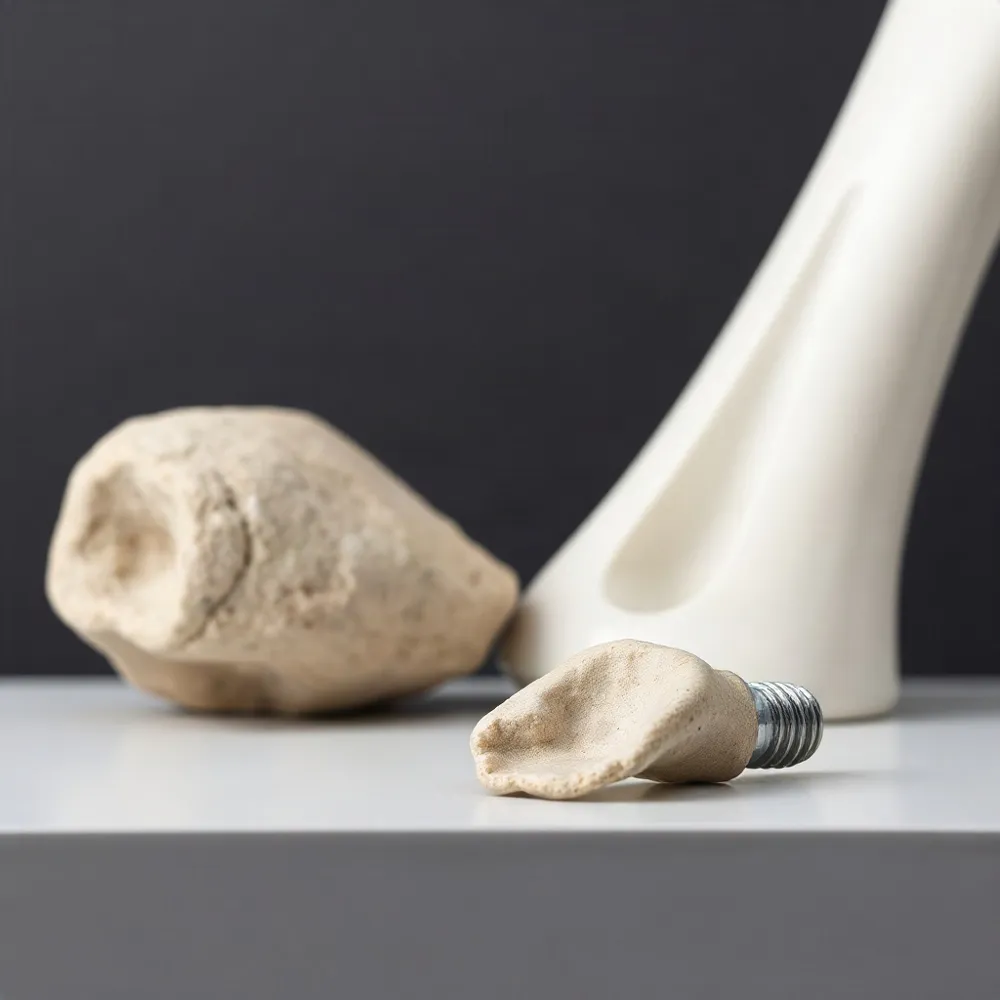 One of the most important things to understand about a missing tooth is that it affects much more than your smile. When a tooth is lost, the jawbone in that area no longer receives the stimulation that it once did from the tooth root. That lack of stimulation signals the body to begin reabsorbing bone tissue, leading to deterioration over time. This process can change the shape of your face and make your jaw less healthy overall.
Dental implants work differently. They replace both the visible crown and the root of the tooth, and they are the only common restorative option that does so. A titanium post is surgically placed into the jawbone, where it fuses with the bone through a process called osseointegration. This fusion provides the stimulation that the bone needs to stay strong and dense, helping to preserve the jawbone and prevent the bone loss that often follows tooth extraction.
The Science of Bone Preservation
According to the Cleveland Clinic, dental implants are the only tooth replacement option that preserves natural bone and actually helps to stimulate its growth. Without that stimulation, the bone can shrink by up to 25% within the first year after a tooth is lost. This bone loss can continue for years, leading to a sunken appearance in the face and a weakening of the neighboring teeth.
By mimicking the natural tooth root, implants keep the jawbone active and healthy. This not only protects your facial structure but also helps maintain the integrity of adjacent teeth and oral tissues. For a more detailed look at how implants protect your smile, visit our guide on preserving your jawbone and preventing bone loss.
What Happens Without an Implant?
If a missing tooth is left unreplaced, the surrounding teeth can shift, your bite can change, and you may find it harder to chew and speak comfortably. More seriously, the jawbone continues to deteriorate, which can complicate future dental work. Over time, this can lead to the need for more complex procedures, such as bone grafting.
Dental implants help you avoid these issues. They act like natural tooth roots, keeping the bone fully engaged and supporting your overall oral health. If you are considering tooth replacement, understanding the long-term impact of bone preservation is essential.
| Aspect | Dental Implants | Missing Tooth |
|---|---|---|
| Bone stimulation | Yes, via titanium post | No, bone resorbs |
| Facial structure | Preserved | Can sag over time |
| Neighboring teeth | Unaffected | May shift |
| Chewing function | Restored to natural strength | Reduced effectiveness |
| Long-term outcome | Stable and durable | Worsening over time |
Keeping Adjacent Teeth and Oral Health Intact
One of the most important differences between dental implants and traditional bridges is how each option treats the teeth next to the gap. A traditional bridge requires the dentist to grind down the enamel of the two adjacent healthy teeth to create space for the supporting crowns. This irreversible preparation removes a significant amount of natural tooth structure, which can permanently weaken those otherwise healthy teeth. By contrast, a dental implant replaces the root and crown independently, leaving your neighboring teeth completely untouched.
This protection of adjacent teeth is a major reason that dental implants are often called the gold standard for tooth replacement. When you preserve the enamel of neighboring teeth, you maintain their structural integrity and reduce their long-term risk of decay or fracture. Traditional bridges do not offer this advantage; instead, they convert two healthy teeth into anchors for a prosthetic that spans the gap, which can lead to increased sensitivity and a higher chance of complications over time.
At Ashley Burns DDS, we prioritize your healthy teeth. As an alternative to the tooth-grinding approach required by bridges, our dental implant restorations are designed to integrate with your jawbone while leaving adjacent teeth completely untouched. This stands in direct contrast to traditional bridges, which require grinding down the enamel of neighboring teeth to support the restoration. Our team evaluates each case to recommend the option that best suits your oral health and long-term goals.
Weighing the Risks and Long-Term Benefits
When dental professionals call implants the gold standard for tooth replacement, they're pointing to a specific combination of structure and biology. Unlike a bridge that anchors to adjacent teeth or a denture that rests on the gums, an implant is a small titanium post surgically placed into the jawbone. The bone then fuses with the post through a process called osseointegration, creating a stable foundation for a crown, bridge, or denture. The Mayo Clinic describes this fusion as the reason implants feel and function like natural teeth.
That distinction matters far beyond comfort. Because an implant integrates with bone, it provides the stimulation that natural tooth roots normally do. This helps preserve jawbone density and prevent the facial collapse that often follows tooth loss. While bridges and dentures address the visible gap, only an implant replaces the root as well, which is why many consider it the most complete solution. For a closer look at how this works in practice, consider dental implants vs. bridges and why replacing the root, not just the crown, changes the long-term outcome.
Beyond the Conventional Benefits
The typical lists of implant advantages, like durability and natural appearance, are accurate but incomplete. Read further into clinical evidence and patient experiences, and you'll find that the real differentiator lies in how implants interact with the body over time. This deeper level of benefit is what separates a good outcome from a transformative one.
Bone Preservation. Jawbone shrinks after tooth loss because it lacks root stimulation. Implants halt this process by providing the mechanical cue that keeps bone dense. In contrast, a removable denture accelerates bone loss, leading to premature aging of the lower face.
Neighboring Teeth. Bridges require shaving down adjacent healthy teeth to create anchors. Implants preserve those teeth completely, keeping more of your natural dentition intact.
Speech and Comfort. Dentures can slip and cause mumbling, while implants stay fixed. This restores natural enunciation and eliminates the need for adhesives.
Long-Term Value. The longevity of dental implants is well documented. With proper care, they can last decades, often a lifetime.
What distinguishes Ashley Burns DDS in Midland, TX, is not just offering implants, but tailoring each treatment plan to the individual's bone structure, health history, and aesthetic goals. While many practices fit one-size-fits-all restorations, the approach at ashleyburnsdds.com emphasizes precision placement and honest aftercare, which is what Ashley Burns DDS's implant services aim to deliver.
Caring for Your Implants to Make Them Last a Lifetime
 After investing in dental implant restoration, many patients assume the hard part is over. In reality, the way you care for the implant in the months and years following placement plays an outsized role in how long it lasts. With proper care, implants can last a lifetime, but that requires understanding what actually keeps the implant, the bone around it, and the restoration secure.
One of the most common misunderstandings is that implants behave like natural teeth. They don't. A natural tooth is held in place by a periodontal ligament that provides shock absorption and signals when you bite too hard. An implant, by contrast, fuses directly to the jawbone through a process called osseointegration. Dental Implants: What You Should Know explains that this direct bone-to-implant connection is what gives implants their stability, but it also means the surrounding structures need different care than natural teeth.
The Structural Difference That Demands Different Care
Because there is no natural ligament and no protective enamel covering the implant post, plaque and bacteria can accumulate quickly along the gumline. The soft tissue that adapts around an implant forms a weaker seal than the tissue around a natural tooth, making it easier for bacteria to penetrate if you let plaque build up. That's why consistent daily cleaning, using tools specifically designed for implants, is non-negotiable.
Brushing. Use a soft-bristled brush and non-abrasive toothpaste. Titanium posts are scratch-resistant but not scratch-proof, and nicks can create rough surfaces that harbor bacteria.
Flossing. Standard floss can work, but implant-specific floss or a water flosser reaches into the sulcus around the implant more effectively.
Interdental brushes. These tiny brushes are ideal for cleaning the spaces around the restoration and the gumline, where a regular brush can't reach.
Regular professional cleanings also matter more than many patients realize. Your dental hygienist uses specialized instruments that won't scratch the implant surface, and they can monitor the soft tissue and bone levels at each visit. Early detection of peri-implantitis, an inflammatory condition around the implant, dramatically improves the chances of saving the implant before bone loss advances.
How Lifestyle Choices Affect Implant Longevity
Beyond daily hygiene, lifestyle habits heavily influence implant success. Smoking is a major risk factor because nicotine restricts blood flow to the bone and soft tissues, slowing the osseointegration process and increasing the chance of implant failure. Similarly, uncontrolled diabetes can impair the body's ability to heal and fight infection around the implant.
You can improve your odds by quitting smoking, managing chronic conditions, and maintaining a balanced diet rich in calcium and vitamin D to support bone health. Regular exercise that includes weight-bearing activity also helps maintain overall bone density, which benefits the jawbone that anchors your implant.
If you're considering implants or already have them, proper maintenance is the single most important factor in whether they serve you for decades or fail prematurely. For a deeper look at what daily care and professional checkups involve, the Ashburn team's guide on caring for your implants to make them last a lifetime offers a practical walkthrough. And remember, your dentist in Midland is your best partner in creating a maintenance plan tailored to your specific restoration.
A Permanent Solution Worth the Investment
The actual implant procedure is typically broken into stages, which helps your mouth heal properly between steps. First, a small incision is made in the gum to expose the jawbone, and a titanium post is gently placed into the bone. Over the next few months, the bone fuses to the implant in a process called osseointegration, creating a stable foundation. After that, an abutment is attached to hold the crown, and finally a custom crown is placed to complete your smile. Patients often find that this step-by-step approach feels manageable, and with the guidance of a skilled team, most experience only mild discomfort that resolves quickly.
One of the biggest advantages of this staged method is its predictability. Because the implant is anchored directly into the bone, it functions like a natural tooth root, which helps preserve jawbone density and supports the surrounding teeth. This is why dental implants are often called the gold standard for tooth replacement. During your consultation, your dentist will map out each phase, ensuring you know exactly what to expect before you begin. With clear communication and a comfortable environment, the process becomes far less intimidating than you might imagine.